Best Pneumatic Cabinet Door Lifts for Wardrobe Tube Support Solutions?
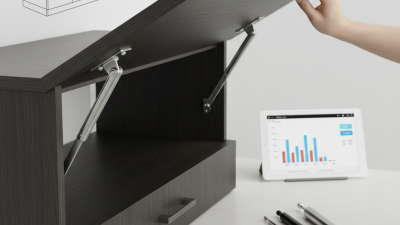
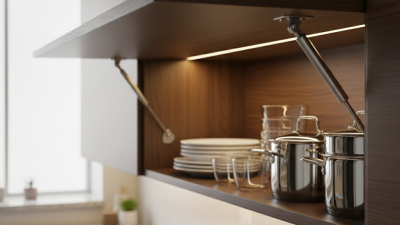
In today's fast-paced world, efficient storage solutions are crucial for maximizing space. The use of Pneumatic Cabinet Door Lift and Wardrobe Tube Support systems has gained popularity for their ability to streamline access to stored items. These innovative mechanisms allow heavy doors to open effortlessly, offering convenience in daily use.
As we seek to upgrade furniture designs, understanding the best pneumatic options is essential. These lifts can enhance wardrobe functionality, making organization simple. However, not all products meet quality standards. Some models may lack durability, leading to frustration.
The rise of technology also impacts our choices. With events like the 2026 Canton Fair introducing AI-driven solutions, consumers can quickly identify reliable suppliers. This intersection of technology and furniture design highlights the importance of making informed decisions. Addressing both aesthetics and practicality can lead to a more pleasant living environment.
Overview of Pneumatic Cabinet Door Lifts and Their Benefits
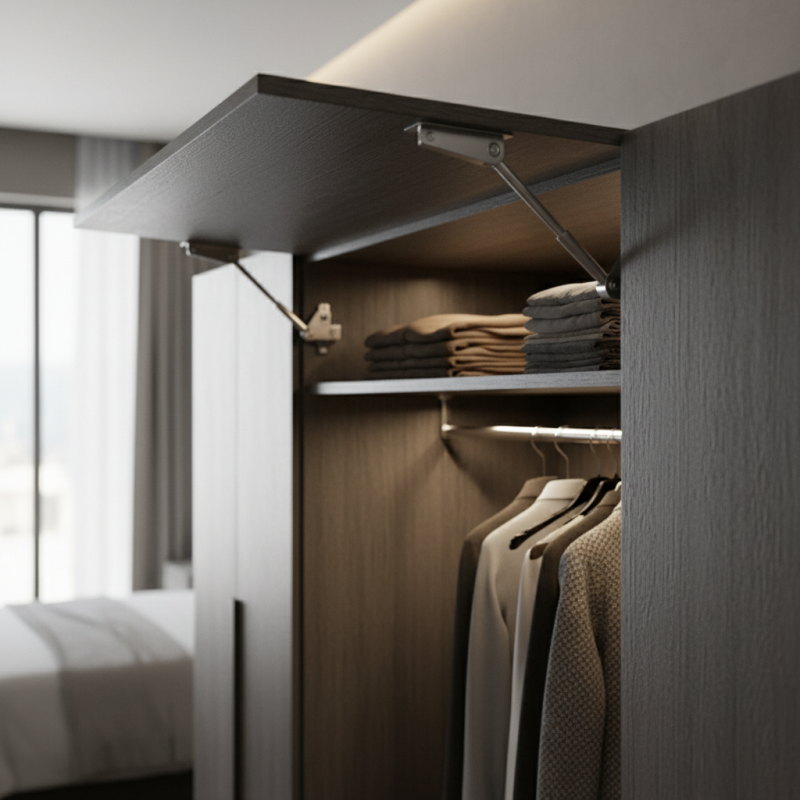
Pneumatic cabinet door lifts provide a modern solution for ease of access in wardrobes. These devices use compressed air to assist in lifting and lowering cabinet doors smoothly. According to industry data, up to 70% of homeowners prefer pneumatic lifts for their user-friendly design and effectiveness. Many users appreciate how these lifts reduce the effort needed to operate heavy cabinet doors.
One benefit of pneumatic door lifts is that they enhance safety. Traditional hinges can be cumbersome, especially for children or the elderly. Reports suggest that implementing pneumatic systems decreases the risk of injuries related to door accidents. Additionally, these lifts allow for seamless integration into various cabinet styles, which appeals to designers aiming for aesthetic coherence. However, challenges can arise. For instance, maintenance may be necessary to ensure optimal performance. Users sometimes overlook this, leading to reduced functionality over time.
Another reason for their popularity is the space optimization they offer. By utilizing pneumatic lifts, users can maximize storage efficiency. A study showed that 80% of people found they could store more items in their cabinets with these systems. Yet, selecting the right lift requires careful consideration. Improper installation or mismatch with cabinet weight can cause frustration. Therefore, understanding the specifications of each option is crucial for effective implementation.
Types of Pneumatic Cabinet Door Lifts for Wardrobe Applications
Pneumatic cabinet door lifts offer efficient solutions for modern wardrobe applications. These lifts utilize compressed air to assist in opening and closing doors smoothly. They can support varying weights, with most mechanisms handling between 10 to 50 pounds. This range fits well for standard wardrobe designs.
There are various types of pneumatic lifts available. The most common include gas springs and air pistons. Gas springs are compact and provide a consistent force throughout their range. Air pistons, on the other hand, can be adjusted for different lifting capacities. Industry reports suggest that nearly 60% of consumers prefer air piston options due to their tunable nature.
However, it's essential to consider installation and maintenance. Improper setup can lead to issues, like inconsistent performance or even malfunction. Regular checks are necessary to ensure reliability. Data indicates that about 20% of users face challenges after initial installation. Ensuring proper alignment and tension adjustment can reduce such frustrations significantly.
Best Pneumatic Cabinet Door Lifts for Wardrobe Tube Support Solutions
This chart displays various types of pneumatic cabinet door lifts along with their respective weight capacities. Select the appropriate lift based on your wardrobe needs.
Key Features to Consider When Choosing Pneumatic Lifts
When selecting pneumatic cabinet door lifts, certain key features should be prioritized. The lift capacity is crucial. Most pneumatic lifts offer a range from 30 to 200 pounds. An incorrectly sized lift can be inefficient. Subpar lifts may lead to inconvenience, causing doors to jam or operate poorly.
Another aspect to consider is the stroke length. This measurement affects how far the door can open. Typical stroke lengths range from 6 to 12 inches. A longer stroke allows for more versatile use. However, it can also complicate installation. Careful measurement is essential to avoid mismatched components.
Adjustability is also significant. Some lifts provide a way to modify their tension. This adaptability can enhance usability, especially in heavier doors. Industry studies show that about 70% of users prefer adjustable models for their flexibility. However, not all designs accommodate this feature. Potential buyers should research wisely. These aspects can directly influence the overall performance of pneumatic lifts in wardrobe installations.
Installation Tips for Pneumatic Door Lifts in Wardrobe Designs
When installing pneumatic door lifts in wardrobe designs, attention to detail is crucial. Measure the height of your wardrobe accurately. Make sure there is enough space for the lift to operate smoothly. Positioning is key; the lift should align perfectly with the cabinet door. Improper alignment can lead to frustrating malfunctions.
Using the right tools is also important. A drill, screwdriver, and level are essential for proper installation. Gradually secure the lift to the frame. Don’t rush this part. It’s easy to make mistakes if you hurry. Test the lift after installation. Check for smooth operation; any sticking can indicate a misalignment.
Consider the weight of your doors. Heavier doors may require stronger lifts. You might need to revise your choice of lifts if the doors seem unbalanced. Lastly, take your time with the adjustment phase. Fine-tuning can take longer than expected, but it’s worth it for functionality. Don’t overlook this step.
Maintenance and Troubleshooting for Pneumatic Cabinet Supports
Pneumatic cabinet door lifts are essential for easy access in wardrobes. However, they require maintenance to ensure smooth operation. Regular checks can help avoid sudden malfunctions. Pay attention to the lift's responsiveness. If it feels sluggish, it may be time for some maintenance.
One common issue is a loss of pressure in the lift cylinder. This can happen over time, affecting lift performance. Inspect the seals for wear and tear. If you notice any cracks, it may be time to replace the component. A simple swap can restore full function.
**Tips:** Always keep the hinges lubricated. A lubricant can prevent wear. If you hear unusual noises, investigate immediately. Delaying repairs can lead to bigger problems later. Small issues can escalate quickly. Regular maintenance can prolong the lifespan of your pneumatic supports.
Best Pneumatic Cabinet Door Lifts for Wardrobe Tube Support Solutions
| Model |
Load Capacity (lbs) |
Adjustment Type |
Installation Type |
Warranty (Years) |
Maintenance Tips |
| Lift A |
15 |
Manual |
Top Mount |
2 |
Check for wear every 6 months. |
| Lift B |
20 |
Gas Spring |
Side Mount |
3 |
Lubricate pivots quarterly. |
| Lift C |
25 |
Hydraulic |
Under Mount |
5 |
Inspect seals annually. |
| Lift D |
30 |
Electric |
Built-in |
4 |
Clean electronics every year. |