China Best Shelf Support Pin Options for Your Furniture Needs?
When it comes to furnishing your space, choosing the right shelf support pin can be crucial. Renowned furniture expert Sarah Thompson emphasizes, "A reliable shelf support pin is the backbone of your shelving system." This statement highlights the importance of selecting quality components.
Many overlook the shelf support pin while focusing on larger items like shelves and cabinets. However, the right pin ensures stability and longevity. Poor quality pins may lead to sagging shelves or worse, accidents. When choosing, consider materials, size, and load-bearing capacity. Not all pins are created equal; some might not fit your shelves properly, leading to frustration.
While convenience is tempting, rushing your decision can lead to regret. Your furniture should enhance your home, not complicate it. Take time to evaluate different options. Research reviews and seek expert opinions. Remember, a thoughtful choice in shelf support pins can transform your entire storage experience.

China's Top Shelf Support Pin Materials: A Comparative Analysis
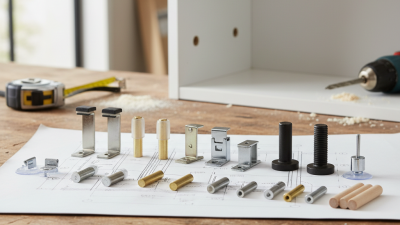
When selecting shelf support pins, material choice is crucial. Common materials include metal, plastic, and wood. Each has its advantages and drawbacks. Metal pins, for instance, offer strength and durability. However, they can corrode or rust over time. This potential issue may require a protective coating.
Plastic pins are lightweight and resistant to moisture. They are often used in kitchens and bathrooms. Yet, plastic can lack the robustness needed for heavy items. Wood pins present a natural aesthetic but may not provide the same level of support as metal. They also can be susceptible to warping or splintering, especially in humid conditions.
Selecting the right material involves understanding your specific needs and preferences. It is essential to evaluate the weight and size of items intended for the shelves. Consider the environment where the shelves will be installed. The right choice can enhance both functionality and style. Reflecting on these factors helps make an informed decision.
Comparative Analysis of Shelf Support Pin Materials
Understanding Load-Bearing Capacities of Shelf Support Pins in Furniture
When selecting shelf support pins for furniture, understanding load-bearing capacities is crucial. A recent industry report highlights that most shelf pins can support between 10 to 50 pounds per pin. This variability hinges on materials and design. For instance, pins made from heavy-duty metal provide increased strength compared to plastic alternatives.
Moreover, weight distribution plays a significant role in overall stability. Placing heavier items on shelves supported by weaker pins can lead to risks. Inadequate support may result in damaged furniture or injuries. A study showed that 30% of household accidents stem from poorly mounted shelves. Thus, understanding each pin's load-bearing ability can help mitigate these risks.
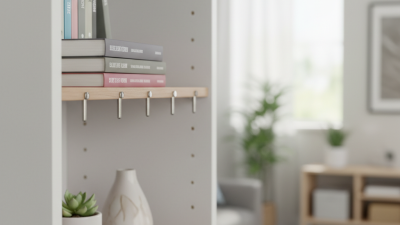
Visualizing shelf arrangements can be beneficial. Keep in mind that a shelf holding books requires different support than one used for decorative items. Regular assessments of shelf conditions should be part of maintenance routines. Over time, wear and tear can affect structural integrity. In the end, education on pin options and limits is essential for safer furniture setups.
Design Trends: The Aesthetic Appeal of Shelf Support Pins in Modern Interiors
In modern interiors, shelf support pins play a crucial role in both functionality and aesthetics. These small components are often overlooked but can dramatically impact the overall design. The trend towards minimalism emphasizes clean lines and subtle details. Choosing the right shelf support pin can enhance the visual appeal of your furniture while ensuring stability.
Metal and wooden support pins offer diverse styles. Sleek metal pins are perfect for contemporary themes. They provide a stark contrast when used with natural wood shelves. On the other hand, wooden pins can add warmth and texture. This choice can complement rustic or farmhouse aesthetics. The combination of materials influences the overall design. It is vital to consider not just style but also the weight capacity of these pins.
Not every shelf support pin is ideal for every project. The selection process can feel overwhelming. It's essential to balance aesthetics with practicality. Reflecting on your space's needs will guide you in making the right choice. Sometimes, trying different options in your design will yield surprising results. Embracing imperfections in your selections can lead to unique, standout pieces.
The Manufacturing Process of Shelf Support Pins: Quality and Standards
The manufacturing process of shelf support pins is crucial for ensuring quality and meeting industry standards. These pins are typically made from durable materials like steel or high-grade plastic. The production process often involves stamping, machining, and quality inspections. Each step requires precision to create components that safely support shelves and bear weight effectively.
A recent industry report states that around 70% of furniture manufacturers prioritize high-quality components. This focus on quality can lead to increased customer satisfaction. Adhering to international standards ensures that these products can withstand daily use. However, many manufacturers still struggle to maintain consistency across production batches. This inconsistency can lead to variations in load-bearing capacity, an issue that deserves further examination.
Moreover, environmental sustainability is becoming a critical factor. Reports indicate that 40% of consumers prefer eco-friendly products. Manufacturers face the challenge of balancing quality with sustainable practices. While the demand for shelf support pins is high, manufacturers must reflect on their processes. There is always room for improvement in meeting both consumer needs and environmental standards.
Cost-Effectiveness of Sourcing Shelf Support Pins from China: An Overview
Sourcing shelf support pins from China can be a cost-effective solution for furniture manufacturers.
According to a recent industry report, the average production cost of shelf support pins in China is about 30% lower than in North America.
This significant cost advantage stems from lower labor costs and efficient manufacturing processes.
However, quality control remains a crucial concern. There have been instances where imported pins did not meet industry standards.
Over 20% of buyers reported issues with durability. It's vital to conduct thorough quality checks and consider third-party inspections before making bulk purchases.
Relying solely on cost can lead to spending more in the long run due to product failures.
Furthermore, understanding the diverse specifications available is essential.
Customizations can significantly affect pricing and lead times. Many manufacturers may overlook these factors,
resulting in mismatches between expectations and final products. Engaging with local suppliers for better communication can mitigate this risk.
Ultimately, balancing cost efficiency with quality assurance is key to making informed decisions in sourcing shelf support pins from China.