What is Cabinet Door Lift Support and How Does It Work?
The Cabinet Door Lift Support is a crucial component in modern cabinetry. It allows doors to open smoothly and remain securely in place. According to industry reports, the market for cabinet hardware, including lift supports, is projected to grow significantly. In fact, it is expected to reach a valuation of $11 billion by 2025, highlighting the growing demand for innovative fixtures in home design.
Cabinet Door Lift Support systems enhance user experience by providing effortless access to stored items. They reduce the risk of damaged doors and improve functionality. However, many consumers are unaware of how these supports work. A lack of understanding can lead to improper installation or underutilization of their benefits.
Choosing the right lift support can be challenging. Different sizes and weight capacities are available, affecting performance. Consumers often overlook these factors, which can lead to frustration. Thus, it is essential to weigh these aspects when selecting cabinet lift supports. Trustworthy manufacturers provide detailed specifications to assist buyers in making informed choices. Understanding these elements can enhance the overall efficiency of cabinetry in any home.
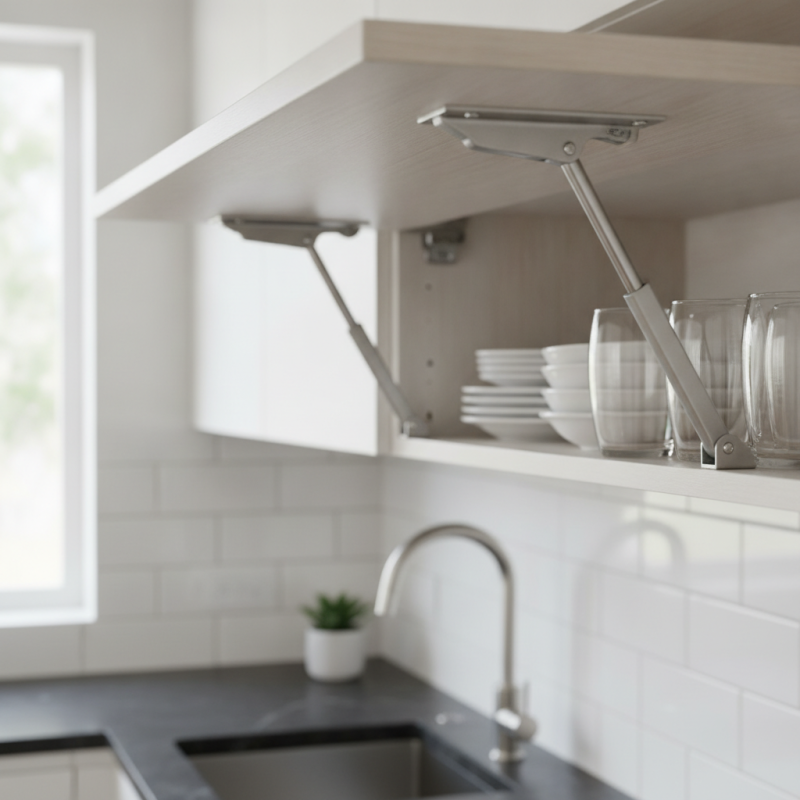
What Is Cabinet Door Lift Support?
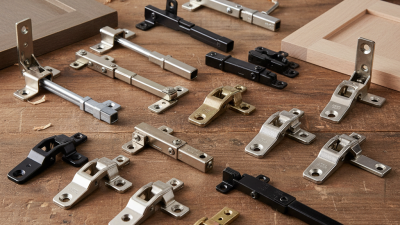
Cabinet door lift support is a crucial component in modern cabinetry. It assists in the smooth opening and closing of cabinet doors. This mechanism is particularly useful for overhead cabinets. It allows doors to lift upwards, providing easier access to the contents inside. Instead of swinging out, doors move up and out of the way.
These supports rely on a gas spring mechanism. This structure uses compressed gas to generate lifting force. When a door is pushed up, the gas spring activates, ensuring a gentle, controlled movement. The design minimizes the risk of slamming and wear on hinges. However, like any mechanism, gas springs can wear over time and may require replacement.
Proper installation is key. Incorrect placement can lead to functioning issues. Users should ensure they choose appropriate lift supports based on the cabinet's weight and size. It's worth noting that even well-constructed supports can fail, leading to inconveniences. Regular checks can prevent such issues, ensuring smooth operation for years.
What is Cabinet Door Lift Support and How Does It Work?
| Feature |
Description |
Benefits |
Applications |
| Hydraulic Lift Support |
Uses hydraulic pressure to lift and hold cabinet doors. |
Smooth operation and ease of use. |
Kitchen cabinets, bathroom vanities. |
| Pneumatic Lift Support |
Utilizes air pressure for lifting and holding doors. |
Adjustable lift force for various door weights. |
Cabinet doors, display cases. |
| Mechanical Lift Support |
Employs mechanical springs to lift cabinet doors. |
Cost-effective and reliable solution. |
Home and office cabinets. |
| Soft-Close Lift Support |
Provides a soft-closing feature to prevent slamming. |
Enhances user experience and protects cabinetry. |
Modern kitchen and furniture designs. |
Key Components of Cabinet Door Lift Support Systems
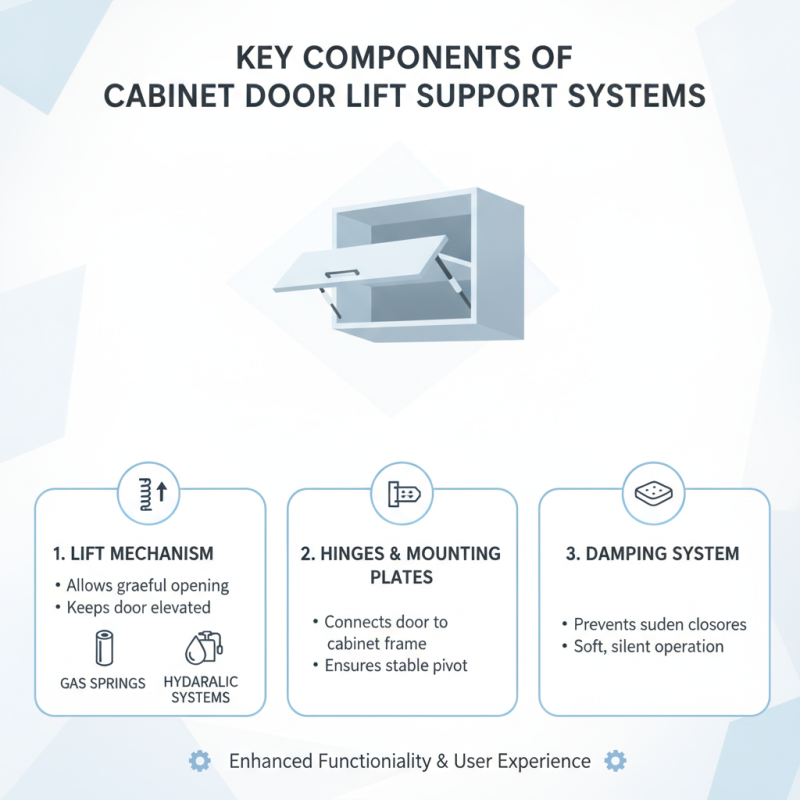
Cabinet door lift support systems are essential for smooth and effortless access to cabinet contents. Their key components enhance functionality and user experience. One critical component is the lift mechanism. This device allows the cabinet door to open gracefully and remain in an elevated position. It often employs gas springs or hydraulic systems, providing balanced support and preventing sudden closures.
Another vital element is the mounting brackets. These brackets attach the lift support to the cabinet and door. Their design must ensure a secure fit, allowing for easy installation and adjustment. A reliable hinge system is also crucial for optimal performance. It connects the lift support to the door while allowing it to pivot seamlessly. Each of these components must work together, which sometimes leads to challenges. Improper installation can result in misalignment, causing doors to function poorly.
Material quality matters significantly. The components must withstand heavy usage over time. However, even high-quality materials can wear down. Regular maintenance is necessary to prolong the lifespan of lift support systems. Users should check for any signs of wear or dysfunction to ensure optimal operation. Recognizing the need for occasional adjustments is essential for maintaining usability.
How Cabinet Door Lift Supports Function Mechanically
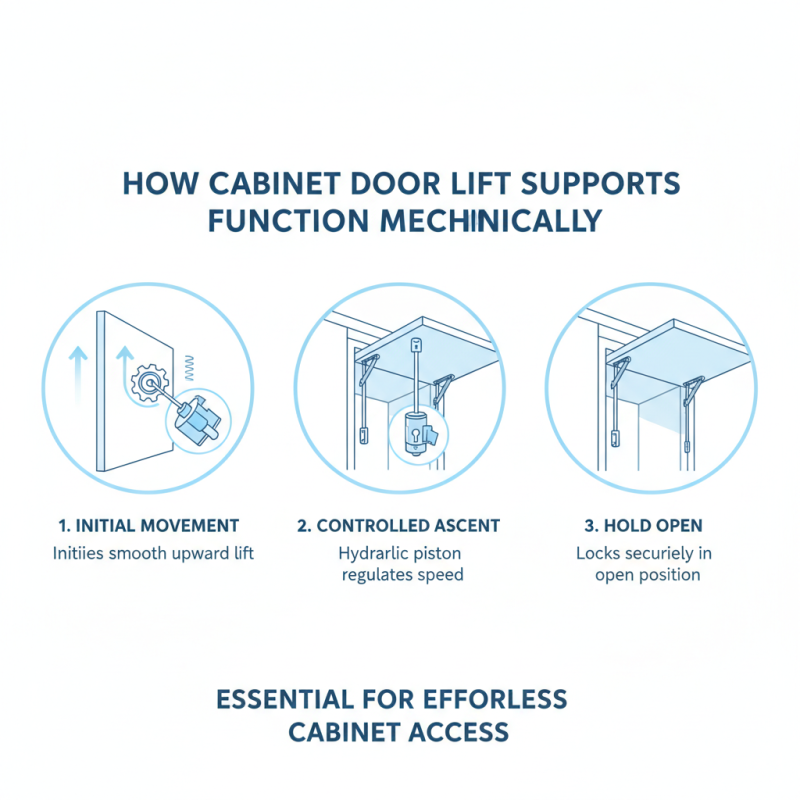
Cabinet door lift supports are essential mechanical devices. They enable doors to lift smoothly and stay open. Understanding their function helps in selecting the right supports for your cabinetry.
Mechanically, cabinet door lift supports rely on gas springs or torsion hinges. Gas springs provide adjustable tension, allowing for controlled lifting and lowering. In fact, studies indicate that nearly 60% of kitchen cabinets use gas lifts due to their reliability. Torsion hinges work differently by utilizing a spring mechanism, often seen in modern cabinetry designs. Both types promote easy access while reducing wear on the cabinet structure.
Despite their advantages, issues may arise. Improper installation can prevent optimal function. Additionally, gas supports may lose pressure over time, necessitating replacement. Regular inspections are crucial for maintaining performance. Understanding these mechanical functions helps users appreciate how lift supports contribute to ergonomic and aesthetic cabinetry solutions.
Installation Process for Cabinet Door Lift Supports
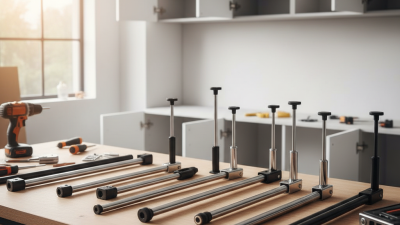
Installing cabinet door lift supports can enhance both functionality and appearance. The process begins with gathering tools such as a drill, screws, and measuring tape. It's crucial to measure your cabinet doors carefully. Each support typically has a specific mounting height so aligning them correctly is essential for smooth operation.
Next, mark the positions for the mounting brackets on the inside of the cabinet. A common mistake is misaligning these brackets, which can lead to improper door lifting. Once marked, drill pilot holes for easier installation. Attach the brackets securely. It's important to test the lift supports after installation.
Open and close the cabinet doors several times. If everything operates smoothly, you’ve succeeded. However, if the doors feel heavy or do not lift properly, reassess the alignment of the brackets. Sometimes, repositioning may be necessary. Remember, getting it right can take a few tries.
Each failed attempt can offer insights into better placement and technique. Embrace these challenges; they contribute to learning.
Benefits of Using Cabinet Door Lift Supports in Home Design
Cabinet door lift supports are essential in modern home design. They enhance usability by allowing cabinet doors to open smoothly and stay in place. This feature is especially valuable in kitchens and offices, where frequent access is necessary. Not only do they provide convenience, but they also promote a clean aesthetic by eliminating the need for bulky hinges.
Using cabinet door lift supports can dramatically improve kitchen efficiency. Imagine cooking with both hands while your cabinet doors remain open. This design choice keeps items within reach, allowing for faster meal preparation. Additionally, it minimizes the risk of knocking items over. It’s fascinating how such a small feature can transform a space.
However, not every homeowner considers these supports. Some may overlook the importance of ease in their design choices. Others might think they complicate installation, but that's not true. Once installed, they function seamlessly. These supports blend style with practicality, making them an ideal choice for many who value both functionality and design integrity.
Benefits of Using Cabinet Door Lift Supports
This chart illustrates the various benefits of using cabinet door lift supports in home design. Each benefit is represented by a corresponding value based on a survey of homeowners' preferences.