How to Choose the Best Wardrobe Rail Bracket for Your Needs?
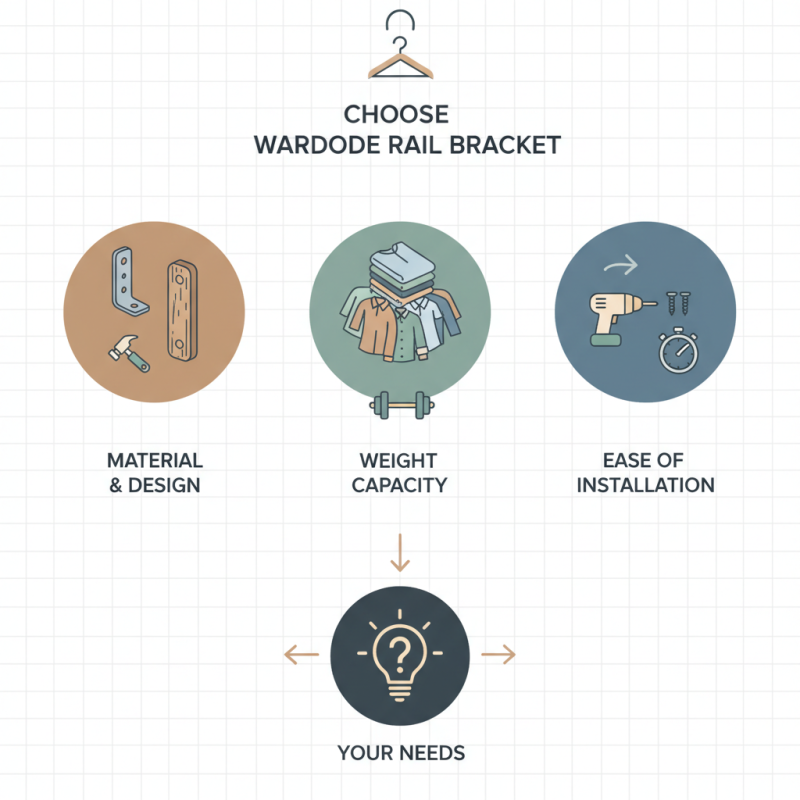
Choosing the right wardrobe rail bracket is crucial for effective space management and organization. A sturdy bracket ensures your wardrobe rail can support the weight of garments and accessories. Selecting the ideal bracket involves understanding your needs and the specifics of your wardrobe setup.
Consider the material and design of the wardrobe rail bracket. For instance, metal brackets provide durability, while wooden ones may offer style. It's important to also check the weight capacity. This affects how many clothes you can hang and impacts the overall function of your wardrobe.
Don't overlook the installation process. Some brackets are easier to install than others. This can save you time and potential frustration. Ultimately, reflect on your unique needs before making a choice. The right wardrobe rail bracket can enhance your storage and bring order to your space.
Choosing the Right Material for Wardrobe Rail Brackets: A Comparison
When selecting wardrobe rail brackets, the material plays a crucial role in their performance and longevity.
Common materials include metal, plastic, and wood,
each offering unique advantages and disadvantages.
Metal brackets, typically made from steel or aluminum, are known for their robustness.
According to industry standards, metal brackets can support weights of up to 300 pounds when installed correctly.
However, they may rust over time if not coated properly.
Plastic brackets are often chosen for their lightweight nature and ease of installation.
They are cost-effective and resistant to moisture, making them suitable for humid environments.
Yet, they may not support as much weight—usually up to 150 pounds.
A 2021 materials report indicated that the demand for plastic brackets in residential applications has grown by 25%, reflecting
a shift towards lighter solutions.
Wooden brackets offer aesthetic appeal and can blend seamlessly into various interior designs.
However, they are often less durable than metal or plastic options.
A survey revealed that 45% of consumers reported issues with warping and splitting in wooden brackets over time.
Ultimately, understanding the characteristics of each material is vital for making an informed choice based on specific needs and environments.
Understanding Load Capacity: How Much Weight Can Your Bracket Hold?
When selecting a wardrobe rail bracket, understanding load capacity is crucial. Different brackets support varying weights. Consider your clothing's total weight. Heavy winter coats require stronger support, while lightweight garments need less.
Calculate the total weight of items you plan to hang. For example, ten shirts might weigh around 5 kg, while three heavy coats could exceed 10 kg. The bracket you choose must accommodate these weights safely. Look closely at the specifications. Avoid underestimating; overloading can lead to damage.
Inspect your chosen bracket's materials. Metal brackets often offer better strength than plastic. Durability matters. Check for installation requirements, too. Walls should be sturdy enough to handle the load. Be mindful of how the load is distributed across the rail. Uneven loading can lead to sagging, forcing you to reassess your choices. Ensuring you have the right bracket can save you from future hassles and potential accidents.
How to Choose the Best Wardrobe Rail Bracket for Your Needs?
This chart illustrates the weight capacity of different types of wardrobe rail brackets. Understanding the load capacity is essential for selecting the right bracket to ensure stability and safety.
The Importance of Bracket Design: Aesthetic and Functional Considerations
When selecting a wardrobe rail bracket, design matters deeply. A well-designed bracket enhances both aesthetics and functionality. It should blend seamlessly with your wardrobe’s overall style. Minimalist designs can offer a clean look. Alternatively, intricate patterns can add character to your space.
Functionality is equally critical. The right bracket provides robust support for heavy loads. This prevents sagging or bending over time. Consider the material of the bracket; metal brackets offer strength, while wood gives a warm touch. The finish can affect not just look but durability. Matte finishes may hide scratches better than glossy ones, which could show wear more easily.
Not every design fits every need. For example, a decorative bracket can clash with a modern wardrobe. Reflect on how the selected design interacts with other room elements. Take measurements seriously; improper sizing can lead to regrets. Aim for a balance between form and function to make an informed choice. Each decision shapes not just your wardrobe but your daily experience.
How to Choose the Best Wardrobe Rail Bracket for Your Needs?
| Bracket Type |
Material |
Load Capacity (kg) |
Aesthetic Appeal |
Price Range ($) |
| L-Shaped Bracket |
Steel |
50 |
Moderate |
15-25 |
| Straight Bracket |
Aluminum |
30 |
Minimalistic |
10-20 |
| Adjustable Bracket |
Plastic |
20 |
Fun Colors |
5-15 |
| Heavy-Duty Bracket |
Cast Iron |
100 |
Industrial |
30-50 |
| Corner Bracket |
Stainless Steel |
40 |
Sleek |
20-30 |
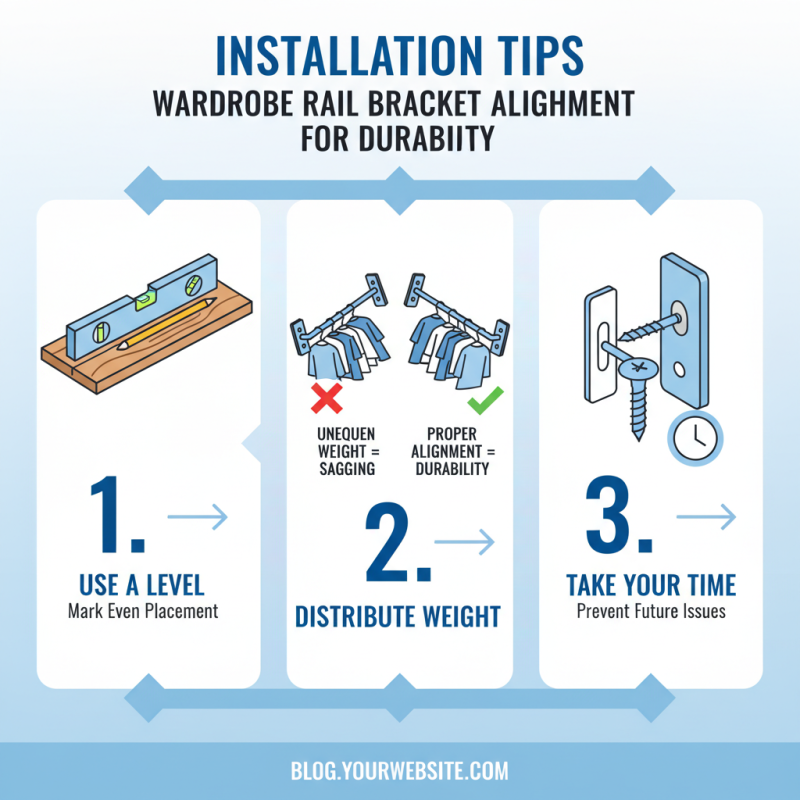
Installation Tips: Aligning Your Wardrobe Rail Bracket for Durability
When installing a wardrobe rail bracket, alignment is crucial for its durability. Properly aligned brackets distribute weight evenly, preventing sagging or damage over time. Begin by using a level to mark where the brackets will go. This step often gets overlooked, leading to uneven placement. Take your time with this stage to avoid frustrations later.
Tips for alignment include checking both vertical and horizontal lines. Use a stud finder to locate wall studs. Brackets anchored to studs provide more support. If you're working with drywall, consider using wall anchors for added strength. Make sure your measurements are precise; even a small error can affect functionality.
During installation, use the right tools, such as a drill, screwdriver, and level. Poor tools can lead to stripped screws or misaligned brackets. Pay attention to the bracket instructions. Each design may have unique features that affect installation. Remember, patience in this phase can save you from future repairs. If things don’t seem right, reevaluate your alignment before securing everything in place.
Cost vs. Quality: Investing in Long-Lasting Wardrobe Rail Solutions
When it comes to wardrobe rail brackets, choosing quality over cost is crucial. Many consumers are tempted by cheaper options, assuming they can save money. However, these budget choices often lead to unreliable support. A flimsy bracket may bend or break, risking your clothes. Investing in durable materials provides long-lasting performance, ultimately saving money in the long run.
Quality brackets can ensure heavy clothes hang securely. Look for options made from strong metals or reliable plastics. They can withstand daily use without wear and tear. While the initial cost might be higher, consider it an investment. You want peace of mind.
Cheap brackets might initially appear attractive, but reflect on their lifespan. If they fail, you'll spend more on replacements and repairs. It's essential to balance your budget with quality. Ultimately, choosing the right wardrobe rail bracket directly affects your satisfaction with the space. Prioritize long-lasting, sturdy options to create a wardrobe that stands the test of time.