When selecting the right Gas Spring Cabinet Support, several factors come into play. The performance of your cabinet hinges greatly relies on the type of gas spring you choose. It's essential to consider the weight of the cabinet door and the required lifting force. Many people often overlook these crucial details, leading to suboptimal performance.
Quality matters. Using inferior gas springs may result in failed mechanisms sooner than expected. It is also important to assess the durability of materials used in the gas spring. Look for trusted brands that offer reliable solutions. Innovative features such as adjustable pressure settings can enhance functionality, catering to specific needs.
Finding the perfect Gas Spring Cabinet Support isn't just about choosing a model. It's about understanding how it fits into your overall cabinetry design. Take the time to evaluate your options thoroughly. Look for user reviews and expert recommendations to avoid common pitfalls. A well-chosen gas spring can significantly improve the longevity and efficiency of your cabinet system.

When choosing gas spring cabinet supports, several factors come into play. The load capacity is crucial. You need to determine how much weight the cabinet door will carry. For a heavier door, opt for a stronger gas spring. Measure the door’s height and width as well. This will help you understand its size and how it will respond to the gas spring force.
Another essential factor is the mounting position. The placement affects the support's performance. If installed too high or too low, it can lead to uneven opening and closing. Consider how often the cabinet will be used. A frequently accessed cabinet should have gas springs that ensure smooth operation. Additionally, check the stroke length. This determines how far the door will open. Misjudging this could lead to frustration.
Pay attention to the environment as well. Is the cabinet in a humid area? Gas springs can react differently based on conditions. Reflect on how often you might need to adjust these supports too. They may require replacements after heavy use. Choosing the right gas spring involves thought and attention to detail.

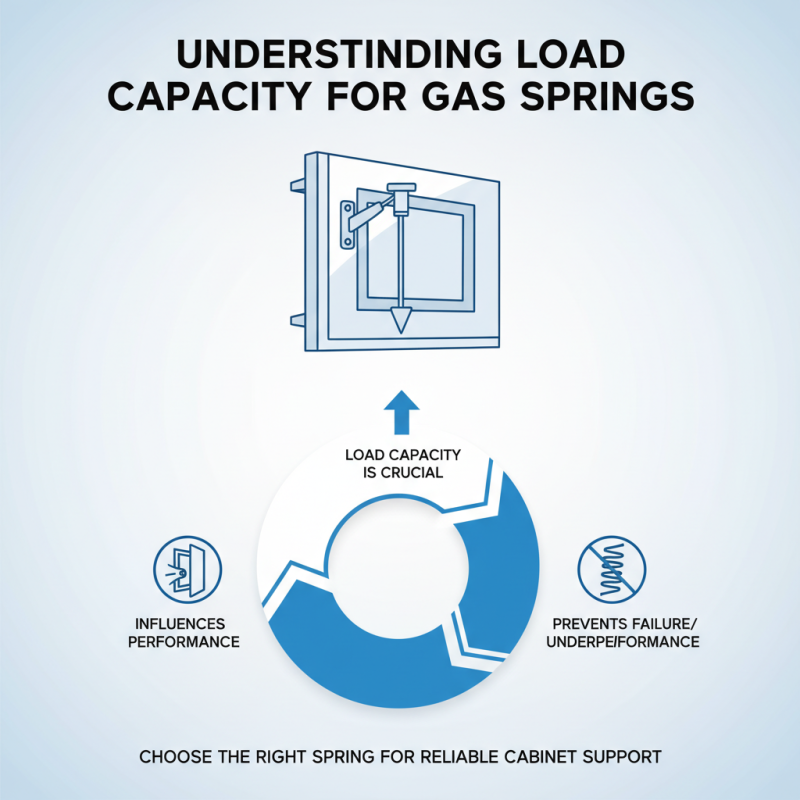
Choosing the right gas spring for cabinet support involves understanding load capacity. Load capacity is crucial. It influences how well the spring will perform. If the spring can't handle the load, it may fail or underperform.
Consider the weight of your cabinet doors. You should measure them before selecting a spring. A cabinet door that weighs 10 pounds needs a different support than one that weighs 30 pounds. Always account for the weight distribution. Heavier items should be supported more robustly.
**Tips:** Always check the manufacturer’s guidelines for load ratings. It’s essential to match the gas spring with the cabinet’s actual weight. If unsure, it's better to opt for a stronger spring. A weak spring will lead to frustration over time. Don’t underestimate the importance of this decision. Test the springs under load before final installation. You may need a different solution if there’s any confusion about performance.
Gas springs are essential in various applications, providing support and motion control. Understanding their types helps in making informed choices. There are three main types of gas spring mechanisms: compression, extension, and swivel.
Compression gas springs are designed to push items upward. They are often used in desks and cabinets for easy access. Extension gas springs work in reverse, pulling items down gently. These springs are ideal for hatches and lids. Swivel gas springs allow for rotation, offering more flexibility in design. Each mechanism serves a distinct purpose, optimizing functionality.
Choosing the right type can be challenging. Consider the weight of the door or lid. Test different springs to find the right support. Miscalculating the required force can lead to insufficient lift or excessive pressure. Observe how smoothly the mechanism operates. A rough movement might indicate a mismatch in design or size. Getting it right enhances performance and user experience.
When choosing gas spring cabinet supports, material durability plays a crucial role. High-quality materials like steel and aluminum contribute to better performance. These materials are more resistant to wear and corrosion. You want gas springs that can endure regular use without failures.
Tips: Look for gas springs that have been tested for durability. Check for specific performance ratings. Always consider environmental conditions which can affect material longevity.
Performance ratings are essential for evaluating gas springs. Higher ratings often mean better performance under weight. It is advisable to consider your cabinet’s weight when making a choice. A mismatch can lead to ineffective support or failure.
Tips: Don't just focus on looks. A well-designed gas spring may not perform well if the materials are subpar. Pay attention to user reviews and real-world performance.
| Material | Durability Rating | Performance Rating | Load Capacity (N) | Operating Temperature (°C) |
|---|---|---|---|---|
| Steel | High | Excellent | 400 | -30 to 80 |
| Aluminum | Medium | Good | 300 | -20 to 70 |
| Plastic | Low | Fair | 150 | 0 to 50 |
| Stainless Steel | Very High | Outstanding | 500 | -40 to 85 |
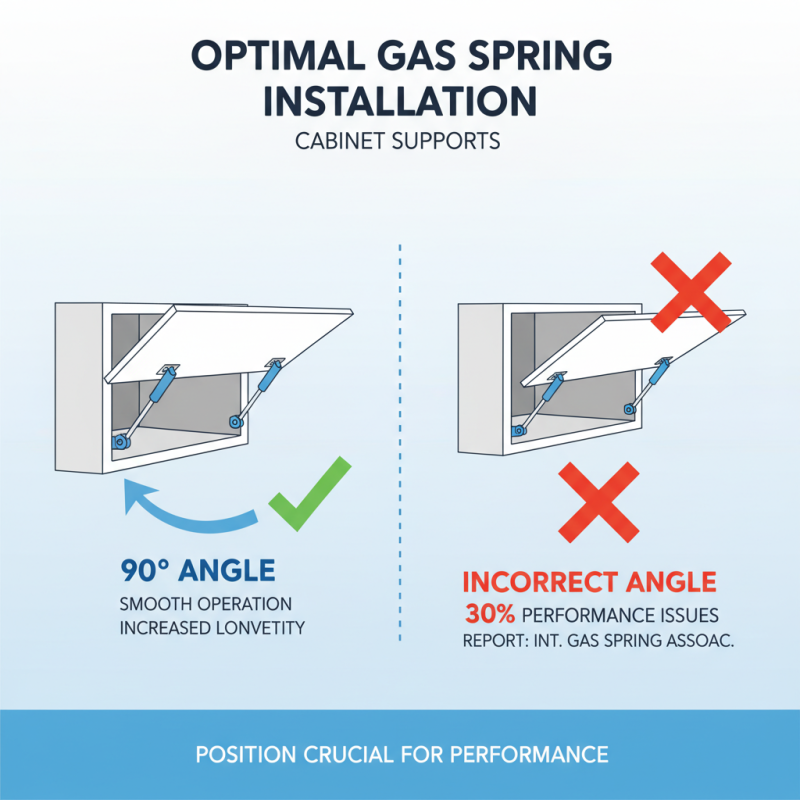
When installing gas spring cabinet supports, optimal functionality hinges on proper techniques. Positioning the gas spring correctly is crucial. According to a report by the International Gas Spring Association, nearly 30% of performance issues arise from incorrect installation angles. Aim for a 90-degree angle between the spring and the cabinet. This ensures smooth operation and longevity.
Ensure to use the right mounting brackets. Misalignment can lead to malfunction. Notably, about 20% of users fail to secure their brackets adequately, leading to potential hazards. Double-check the tightness of screws. Loose fittings compromise the entire system.
Consider the weight load on the cabinet as well. A poorly matched gas spring can result in either excessive force or inadequate support. Industry standards indicate that selecting a spring with a force rating within 10% of the cabinet’s weight ensures optimal performance. Pay attention to these details for a safer and more functional installation.