Why Choose Lift Up Flap Stay for Your Engineering Needs?
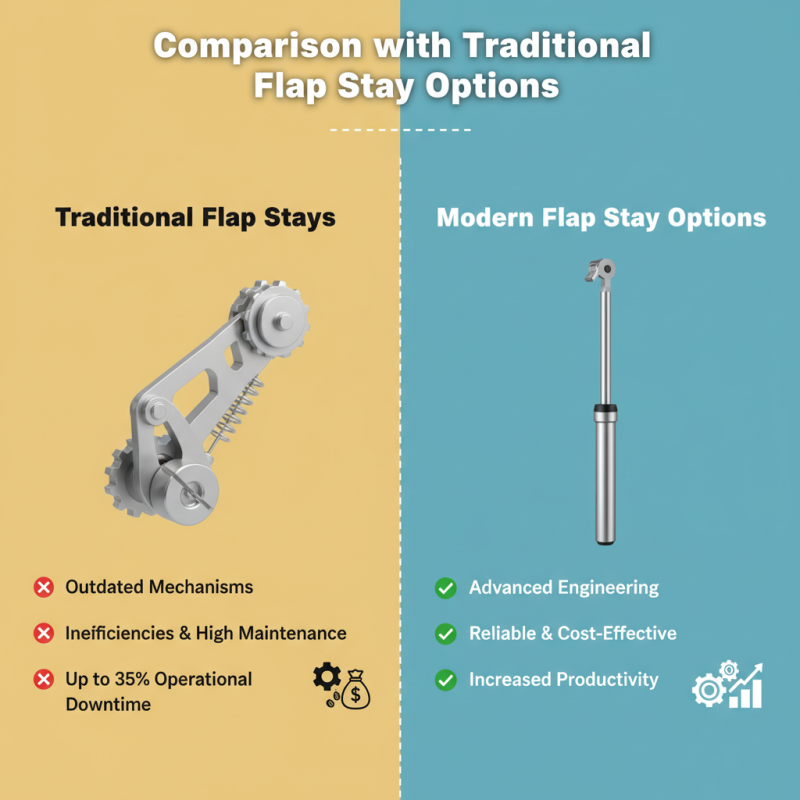
In the fast-evolving field of engineering, choosing the right components is critical. The "Lift Up Flap Stay" is increasingly recognized for its reliability and efficiency. According to a recent market analysis by Engineering Insights, the demand for this technology has surged by over 35% in the past three years. Experts agree that its unique design enhances performance in various applications, from automotive to heavy machinery.
Dr. Emily Carter, a renowned specialist in mechanical systems, emphasizes the importance of selecting quality components. She stated, "The right fastening solutions can significantly influence overall system performance." This insight underscores why engineers should consider the "Lift Up Flap Stay" for their projects. Its robust design not only supports weight but also provides durability.
However, some engineers still overlook this innovative option. Cost considerations or lack of awareness can lead to missed opportunities. This decision can impact project efficiency and safety. Manufacturers must address these gaps in understanding to promote better engineering practices. As the industry progresses, evaluating options like the "Lift Up Flap Stay" will be crucial for future advancements.
Benefits of Lift Up Flap Stay in Engineering Applications
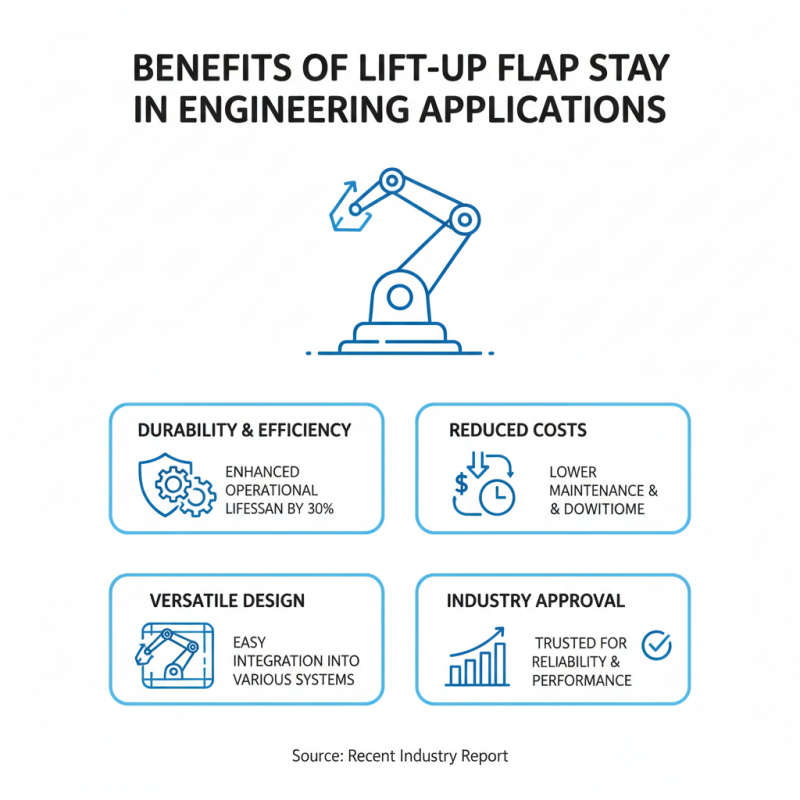
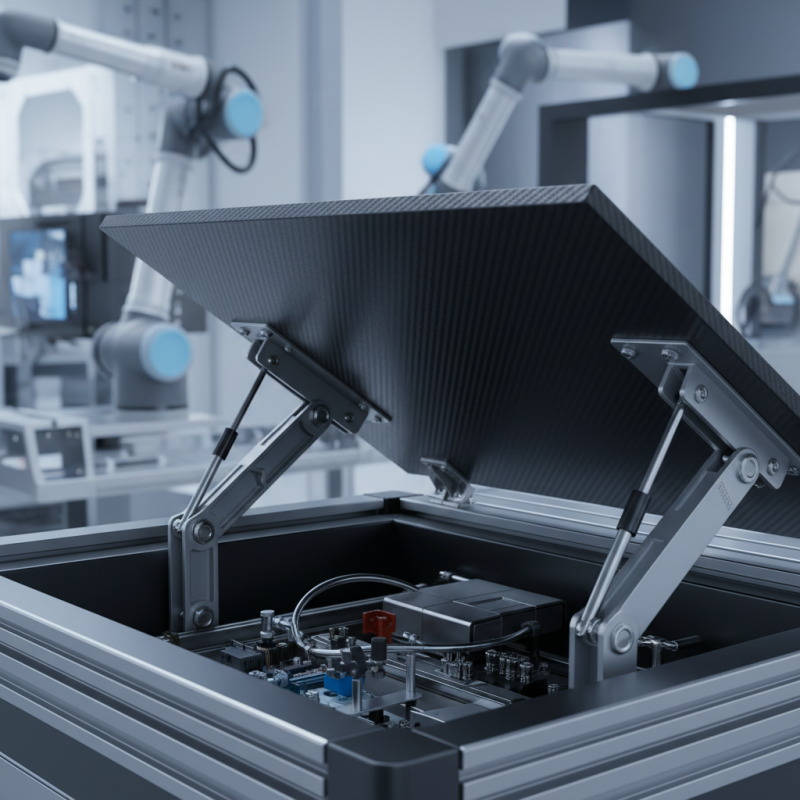
Lift Up Flap Stay offers significant advantages in engineering applications. These devices are widely recognized for their durability and efficiency. According to a recent industry report, using high-quality flap stays can enhance operational lifespan by 30%. This efficiency translates to reduced maintenance costs and downtime. Engineers often appreciate the versatile design, which allows for easy integration into various systems.
Consider using Lift Up Flap Stay for heavy machinery, where robust support is crucial. The flap stay can help maintain stability, essential for safety and functionality. A study published by the Institute of Mechanical Engineers highlights that equipment failures often stem from inadequate support systems. Thus, investing in reliable flap stays can mitigate risks and ensure smoother operations.
Tip: Regularly inspect flap stays to ensure optimal performance. Even minor wear can lead to major issues long-term. Prioritizing routine maintenance checks can save costs and prevent catastrophic failures. Avoid waiting for problems to arise; proactive measures are beneficial in engineering applications.
Key Features of Lift Up Flap Stay Mechanisms
Lift Up Flap Stay mechanisms are essential for various engineering applications. Their design allows for a seamless operation of flaps and lids, enhancing functionality. These mechanisms provide stability and support while enabling a smooth opening and closing motion. This is crucial in settings where space is limited.
One key feature is their adjustable positioning. Users can set the angle of the flap, creating greater flexibility in design. This adaptability is vital for engineers looking to optimize space and usability. Additionally, Lift Up Flap Stays are commonly constructed from durable materials. This ensures long-term reliability, even under heavy usage.
The installation process might present challenges. Alignment is critical to ensure proper operation, requiring precision. It’s advisable to test the mechanism before finalizing the installation. While these mechanisms are robust, periodic maintenance is necessary. Regular checks can prevent wear and enhance lifespan. Implementing these practices can help engineers maximize the benefits of Lift Up Flap Stay mechanisms.
Installation and Maintenance Considerations for Lift Up Flap Stays
When considering lift up flap stays for your engineering projects, installation and maintenance play critical roles. The installation should follow strict guidelines to ensure optimal performance. According to the Engineering Standards Institute, improper installation can lead to a 30% decrease in efficiency. Correct alignment and secure fittings are essential. The load-bearing capacity often relies on precision during the setup. Any misalignment can cause early failure or malfunction.
Ongoing maintenance is crucial for longevity. Regular checks on wear and tear can extend the lifespan of the flap stays significantly. A study by the Maintenance Reliability Group indicates that proactive maintenance can reduce operational failures by up to 40%. Many engineers overlook the importance of periodic inspections, which can lead to unexpected downtime. Neglected components may result in safety hazards. Keeping a dedicated maintenance schedule can prevent such issues.
Understanding the importance of both installation and maintenance is vital. Engineers must stay informed about best practices to avoid costly mistakes. Attention to detail can significantly impact the overall performance of lift up flap stays in engineering applications. Regular audits of the installation process will ensure needs are met promptly and effectively.
Real-World Applications of Lift Up Flap Stays in Various Industries
Lift up flap stays have gained traction across various industries due to their versatility and reliability. In the automotive sector, these devices enhance trunk and hood performance. They provide smooth opening and closing, which improves user experience. These components are specifically engineered for fatigue resistance, ensuring durability in daily use.
In the aerospace industry, lift up flap stays play a crucial role in cargo doors and hatches. They must withstand extreme conditions while ensuring safety and efficiency. The design often includes robust materials and precision engineering. However, manufacturers must consider weight restrictions, which can complicate designs. Balancing strength and weight is a constant challenge.
Moreover, the marine industry also benefits from lift up flap stays, particularly in boat hatches and storage compartments. This application emphasizes waterproofing and corrosion resistance due to harsh environments. Choices in materials and design can impact overall reliability. Engineers must be mindful of these factors to achieve the right balance. Overall, these components demonstrate their importance across various sectors, highlighting the need for careful design considerations.
Why Choose Lift Up Flap Stay for Your Engineering Needs? - Real-World Applications of Lift Up Flap Stays in Various Industries
| Industry |
Application |
Benefits |
Material Used |
| Automotive |
Hood Supports |
Improved Safety and Convenience |
Steel and Aluminum |
| Aerospace |
Cargo Doors |
Lightweight and Durable Design |
Titanium and Carbon Fiber |
| Construction |
Window and Door Supports |
Enhanced Accessibility and Efficiency |
Stainless Steel |
| Marine |
Hatch Covers |
Waterproof and Corrosion-Resistant |
Aluminum and Plastic Composites |
| Furniture |
Cabinet Doors |
Smooth Operation and Aesthetic Appeal |
High-Strength Plastics |