How to Choose the Right Lid Support Hinges for Your Project?
Choosing the right lid support hinges for your project can significantly impact functionality and safety. According to the market report by the International Institute of Hinge Manufacturers (IIHM), the demand for lid support hinges has grown by 12% annually in the past five years. Expert David Reynolds states, “Selecting the right hinges can streamline operations and enhance user experience.”
In various applications, precision in hinge selection is critical. The wrong choice can lead to instability or frequent malfunctions. In recent trade shows, such as the upcoming Canton Fair set for 2026, innovations in hinge technology are showcased. Attendees can explore the latest solutions that align with current industry needs.
Moreover, it is essential to consider certifications like ISO and CE when choosing lid support hinges. With AI advancements in supplier sourcing, it is easier to find qualified manufacturers. However, some buyers may overlook essential specifications, risking long-term functionality. Hence, thoughtful and informed decisions are crucial in this evolving landscape.

Understanding the Basics of Lid Support Hinges
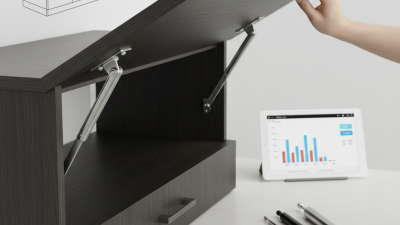
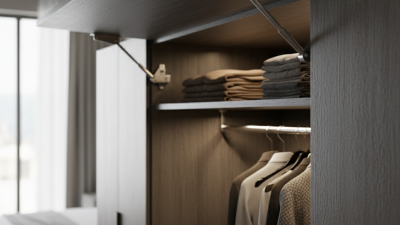
Choosing the right lid support hinges begins with understanding the basic mechanics. Lid support hinges are designed to manage the angle and weight of a lid, providing controlled movement. According to industry analysis, these hinges can handle a load capacity ranging from 50 to 150 pounds. It's crucial to match the hinge’s specifications with your project requirements.
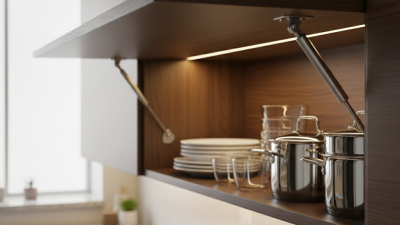
Different types of lid support hinges offer various features. For instance, gas springs are great for lightweight lids, providing smooth operation. In contrast, piano hinges are often used for heavier lids, allowing for a more extensive range of motion. A report from hinge manufacturers indicates that incorrect hinge selection can lead to premature failure or poor usability in over 25% of projects.
Installation is another vital factor. Users frequently overlook the alignment and mounting positions. Misaligned hinges can create uneven weight distribution, leading to unexpected wear. Studies show that about 40% of users experience issues due to improper installation. It's essential to take the time to ensure precise measurements and placements during setup.
How to Choose the Right Lid Support Hinges for Your Project? - Understanding the Basics of Lid Support Hinges
| Type of Lid Support Hinge |
Material |
Weight Capacity |
Adjustment Feature |
Typical Applications |
| Pneumatic Hinge |
Steel |
50 lbs |
Yes |
Kitchen Cabinets, Toy Boxes |
| Spring-Loaded Hinge |
Aluminum |
30 lbs |
No |
Workbench Covers, Marine Applications |
| Piston Hinge |
Plastic |
40 lbs |
Adjustable |
Storage Boxes, Tool Chests |
| Piano Hinge |
Stainless Steel |
Up to 100 lbs |
No |
Heavy Duty Lids, Workstations |
Identifying Your Project's Specific Needs and Requirements
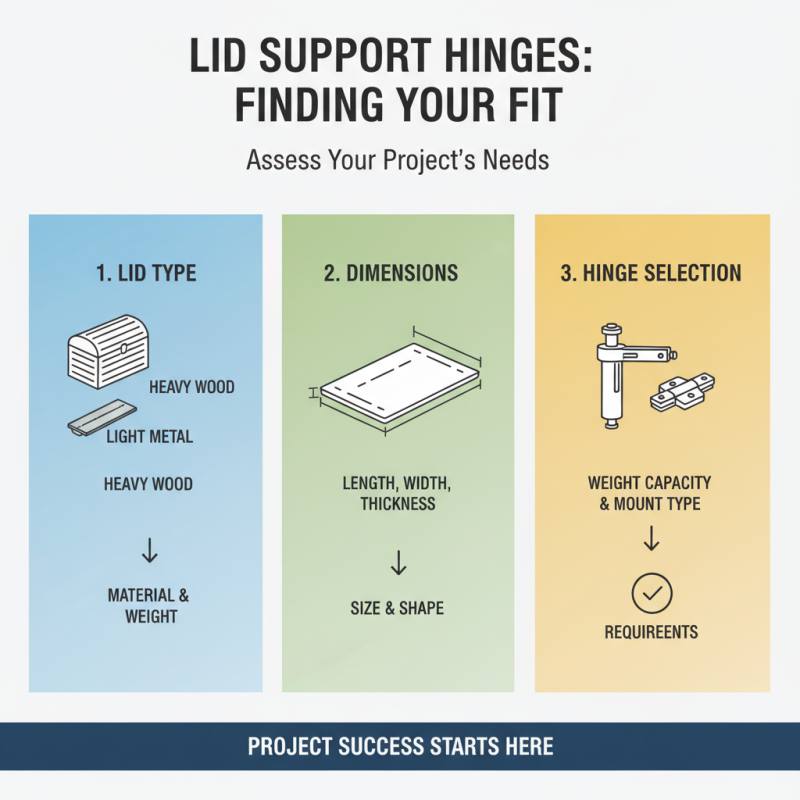
When choosing lid support hinges, understanding your project's specific needs is crucial. Consider the type of lid you have. Will it be a heavy wooden cover or a lightweight metal one? The weight directly affects the kind of hinges you'll need. Knowing the dimensions of your lid will help you select a hinge that supports it adequately.
Another aspect to evaluate is the opening angle. Do you need the lid to stay open at a certain angle? Some hinges offer adjustable angles, which can be useful for various projects. For instance, a drop-down lid may need hinges that allow it to remain open without additional support. Think about how often the lid will be opened as well. Frequent use requires durable hinges.
**Tip:** Always test the hinges before final installation. Misalignment can lead to frustration later on.
Lastly, aesthetics play a role. The hinges should match the overall design of your project. Sometimes, the best functional hinge may not be the most visually appealing. Balance functionality with design. Experimenting with different styles can lead to unexpected solutions.
Comparing Different Types of Lid Support Hinges
Choosing the right lid support hinges can be challenging. Different types offer various functionalities. Understanding these can make your project easier.
There are basic hinge types: gas springs, piano hinges, and articulated hinges. Each has unique advantages.
Gas springs provide smooth lifting. They can support heavier lids effortlessly. But they may be tricky to install.
Piano hinges are long and provide uniform support. They are often used for larger lids. Installation is straightforward, but they can rust if not maintained.
Articulated hinges are versatile. They allow the lid to open wide, offering easy access. However, they might complicate installation.
Each hinge type requires careful consideration.
It’s easy to overlook installation methods. An incorrect choice can lead to functionality issues. Think about the lid’s weight and size. Consider how often it will be used.
Sometimes, it helps to visualize how the lid will operate. Reflect on your project’s specific needs before deciding.
Small details can significantly impact performance.
Evaluating Material Quality and Durability for Hinges
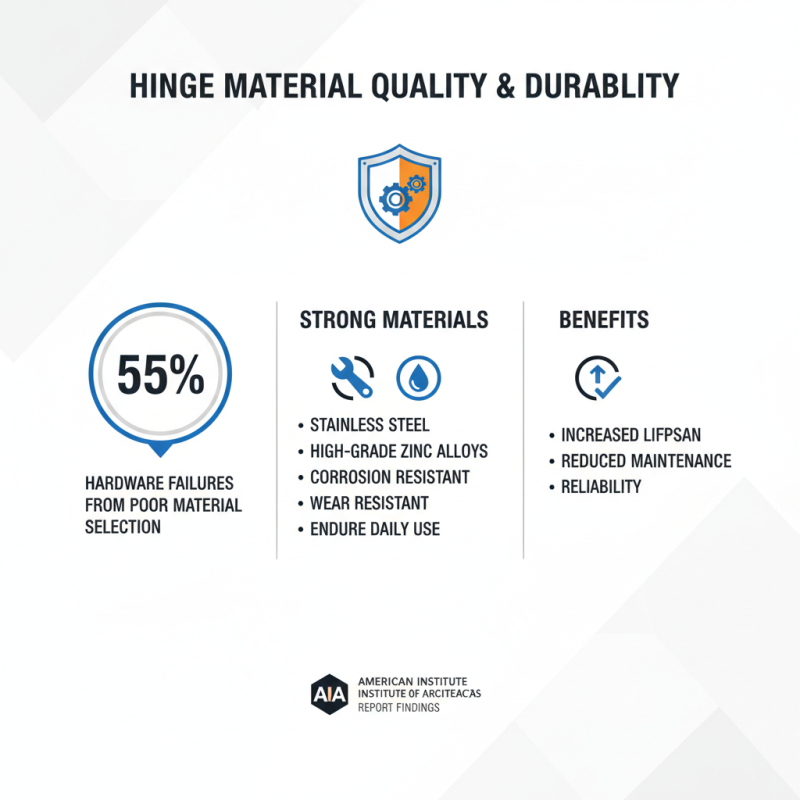
When selecting lid support hinges, material quality and durability play a crucial role. A report by the American Institute of Architects highlights that over 55% of hardware failures stem from poor material selection. Strong materials, such as stainless steel and high-grade zinc alloys, resist corrosion and wear. They can endure daily use and environmental factors.
Not all hinges are created equal. Some materials may look robust initially; however, they may weaken over time. An industry survey reveals that hinges made of inferior metals can fail within months, especially in humid environments. This underlines the importance of evaluating the hinge's material before purchase.
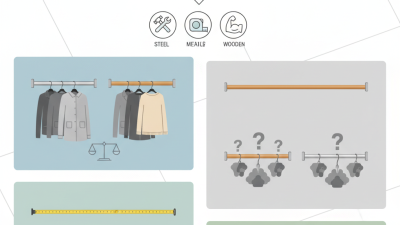
Testing is essential. A hinge should be subjected to load tests, which can simulate real-life usage. Pay attention to weight specifications. If a hinge cannot support the intended weight, it might not withstand daily operations. Unreliable hinges can lead to project delays and additional costs. Always check manufacturer specifications for long-term durability, even if it increases initial costs.
Installation Considerations for Optimal Performance
When installing lid support hinges, several factors affect performance. The weight of the lid is crucial. Heavier lids need stronger hinges for good support. You’ll want to grab a scale to weigh your project’s lid. Too light or too heavy can cause issues.
Also, consider the lid's angle. The hinge design might limit how far the lid opens. If you want it to stay open at a certain angle, choose accordingly. Installing hinges too close to the edge can be a mistake. It affects stability and function. Test different placements to see what works best.
Don’t ignore materials. The type of wood or composite can influence your choice. Some materials can warp over time, making hinges less effective. Keep this in mind during your project. Allow time for adjustments. Getting it right sometimes requires a few tries.