How to Choose the Right Wardrobe Rail for Your Needs?
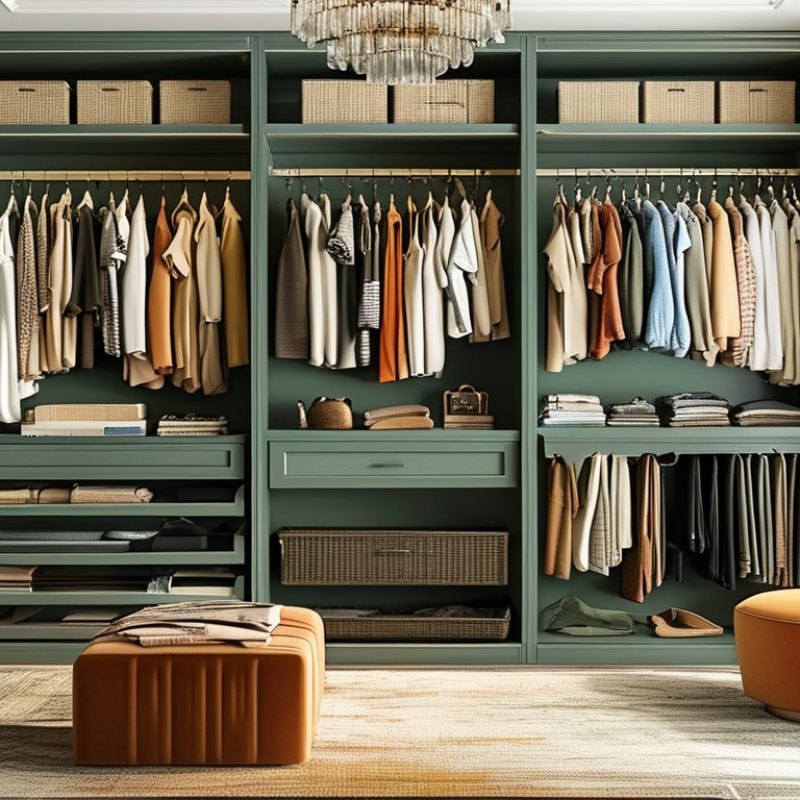
Choosing the right wardrobe rail can significantly impact your space and organization. Industry expert James Alder, a renowned interior designer, emphasizes, "The right wardrobe rail can transform your closet into a functional masterpiece."
Shopping for a wardrobe rail involves considering various factors. You must assess your clothing needs, available space, and aesthetic preferences. A well-chosen wardrobe rail not only holds your clothes but also enhances your overall décor. Consider materials, weight capacity, and adjustability to meet your requirements.
However, it's easy to become overwhelmed with options. Many overlook essential details like mounting types and length. Remember, a poorly chosen wardrobe rail can lead to frustration. Reflect on the impact of your choice on your daily life. Aim for a balance between style and functionality when making this decision.
Understanding Different Types of Wardrobe Rails Available in the Market
When considering wardrobe rails, it’s crucial to understand the different types available. Standard hanging rails are common and versatile. They are ideal for everyday use in closets. However, a growing trend is the use of adjustable rails. According to a recent industry report, over 40% of consumers now prefer adjustable options for their flexibility in height.
On the other hand, specialty rails, such as sliding or built-in designs, maximize space efficiency. These types are especially useful in smaller living areas. The same report indicates that approximately 30% of urban dwellers opt for such solutions to make the most of limited spaces. It’s worth noting that many users find it challenging to install these rails without professional help, leading to increased costs.
Lastly, material choice impacts durability and aesthetics. Metal rails are often favored for their strength, while wooden options offer warmth and style. However, some homeowners experience issues with wood warping over time. This highlights the importance of thorough research before making a final decision on wardrobe rails.
How to Choose the Right Wardrobe Rail for Your Needs?
| Type of Wardrobe Rail |
Material |
Weight Capacity |
Adjustable Height |
Best Used For |
| Single Rail |
Steel |
20 kg |
No |
Small spaces or temporary use |
| Double Rail |
Aluminum |
40 kg |
Yes |
Heavy-duty storage |
| Collapsible Rail |
Plastic/Steel |
15 kg |
Yes |
Travel or temporary spaces |
| Rotating Rail |
Stainless Steel |
30 kg |
Yes |
Maximizing small wardrobes |
| Heavy Duty Rail |
Steel Reinforced |
100 kg |
No |
Commercial use or large item storage |
Assessing the Space Requirements for Your Wardrobe Setup
When assessing space requirements for your wardrobe setup, first measure your available area. A clutter-free space is essential for an organized wardrobe. Draw an outline of your room, indicating doors, windows, and other furniture. This helps visualize where a wardrobe rail can fit without obstructing movement. Consider the height and width of your rail options. Make allowances for the items you plan to hang.
Think about the types of clothes you own. Longer garments, like dresses, need more vertical space. If you have many short items, a compact rail will suffice. Evaluate how deep the rail should be for easy access. Some people overlook how much distance they need for sliding hangers. Reflect on additional storage; perhaps you want a shelf above the rail for folded items. Measure twice to avoid costly mistakes.
Flexibility can improve your wardrobe function. Adjustable rails may offer more versatility. However, fixed solutions can provide sturdiness. Your choice depends on personal preference and evolving wardrobe needs. Remember, wardrobe organization should enhance your daily routine, not complicate it. The right rail should balance functionality against your available space.
Determining the Weight Capacity Needed for Your Clothes and Accessories
When selecting a wardrobe rail, understanding the weight capacity is crucial. Clothes vary significantly in weight. A heavy winter coat, for instance, can weigh several pounds. This makes it essential to calculate the total weight of your garments and accessories. Consider not only your clothes but also items like bags and hats. Ignoring this could lead to a sagging or damaged rail.
Evaluating the weight capacity involves simple steps. Start by weighing your heaviest items. Add the weights of the rest of your clothes to that. Many wardrobe rails can hold between 50 to 150 pounds. However, some may not support heavier collections. It's worth noting that aesthetics shouldn't overshadow functionality. A beautiful rail that's unstable won't serve your needs well.
Lastly, remember that rails are not just about aesthetics. They need to work for you. If a rail bends under pressure, reconsider your choices. Balancing style and functionality will lead to a better organization. Take time to assess your wardrobe requirements. A thoughtful approach can lead to lasting satisfaction.
Exploring Material Options for Durability and Aesthetic Appeal
Choosing the right wardrobe rail involves considering materials that provide both durability and aesthetic appeal. Common materials include metal, wood, and plastic. Each option has its own characteristics and life expectancy. According to industry reports, metal rails can last up to 20 years with proper usage, while wood offers a warm aesthetic but may require more maintenance. Plastic is lightweight and affordable but often lacks the strength needed for heavy garments.
Aesthetic plays a crucial role in your choice. For a modern look, consider chrome or brushed nickel finishes. Wooden rails lend an organic feel and can complement various interior styles. Research indicates that around 70% of consumers value appearance equally with functionality in furniture choices. This statistic highlights the importance of selecting a wardrobe rail that reflects personal style.
When selecting a wardrobe rail, think about the weight it needs to hold. Not all materials can handle heavy winter coats or extensive collections of clothes. Ensure that the rail supports the weight effectively; an underperformance here could lead to dissatisfaction. Finding the right balance between durability and visual appeal is essential. Reflect on your lifestyle needs and storage demands before making a decision.
Choosing the Right Wardrobe Rail: Material Durability and Aesthetic Appeal
Identifying Additional Features That Enhance Functionality and Organization
When selecting a wardrobe rail, consider features that enhance its practicality. Adjustable heights allow for customization. This adaptability helps accommodate items of varying lengths. Whether you need space for long dresses or short jackets, flexibility is key. Some rails come with additional hooks or shelves, adding even more versatility. Utilizing these hooks can keep accessories organized and accessible.
Another essential feature is the stability of the rail. A sturdy construction is vital for balancing heavy items without toppling. If you notice a wobble during use, it may prompt a rethink on your choice. Pay attention to the material used in the rail. A metal frame may offer more durability than a plastic counterpart. Furthermore, a rail with wheels can enhance mobility, making it more user-friendly. This feature becomes invaluable when rearranging spaces or moving items around.
Lastly, consider the rail's aesthetic appeal. Color and design can influence your room's overall vibe. A well-designed rail can blend seamlessly with your decor. Reflect on how each feature fits your needs. Not every option suits everyone. Making the right choice requires careful evaluation of functionality and personal style.