Choosing the right Lift Up Flap Stay can significantly enhance the functionality of your cabinets or furniture. According to Emily Turner, a leading expert in the hardware industry, "Selecting the right flap stay ensures both safety and convenience." Her insights emphasize the importance of making an informed decision.
Many factors influence the choice of Lift Up Flap Stay. You need to consider weight capacity, material quality, and ease of installation. It’s crucial to match the stay with the intended use. A poorly chosen flap stay can lead to frustrations and safety hazards. That’s where experts like Turner come into play.
Even seasoned professionals can struggle with this choice. It’s easy to overlook the specific needs of your project. Reflecting on options and seeking expert advice can make all the difference. The right Lift Up Flap Stay not only meets your demands but also enhances the overall user experience.
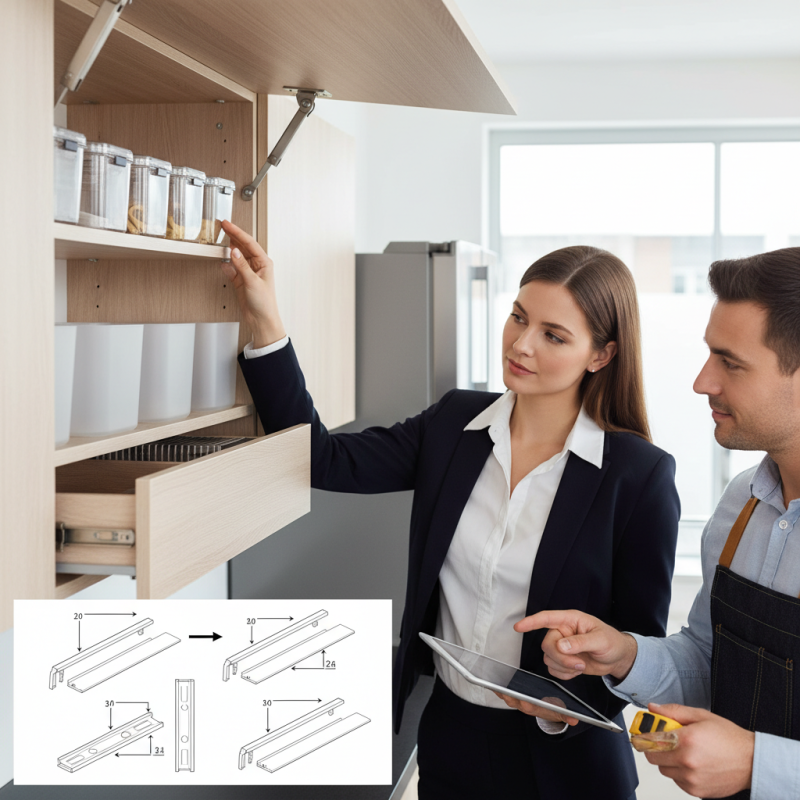
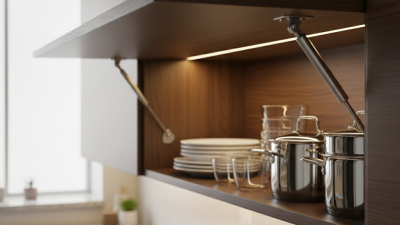
Lift up flap stays are essential components in modern cabinetry. They enable cabinet doors to open upwards, providing easy access without obstruction. Typically used in kitchen cabinets or overhead storage, they offer convenience and efficiency. Understanding how they function is crucial for achieving the desired user experience.
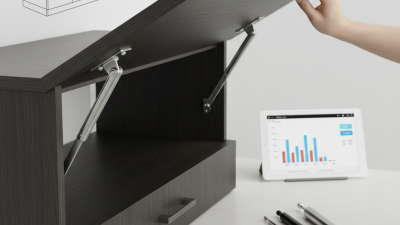
A lift up flap stay consists of a hinge mechanism that supports the door when lifted. This mechanism allows the door to stay in the open position, freeing both hands for other tasks. When installed correctly, they provide smooth operation and a reliable hold. However, improper installation can lead to frustration. It may cause the door to slam shut or not open fully.
Evaluating different options can be tricky. Some designs may feel too stiff, while others lack strong support. Pay attention to the weight capacity and compatibility with your cabinets. Consider how often you will use the flap. Will it be used daily or occasionally? Each factor plays a role in selecting the perfect stay for your needs. Balancing functionality and aesthetics is also necessary for overall satisfaction.
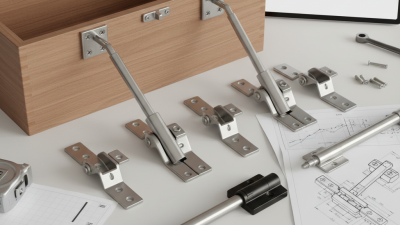
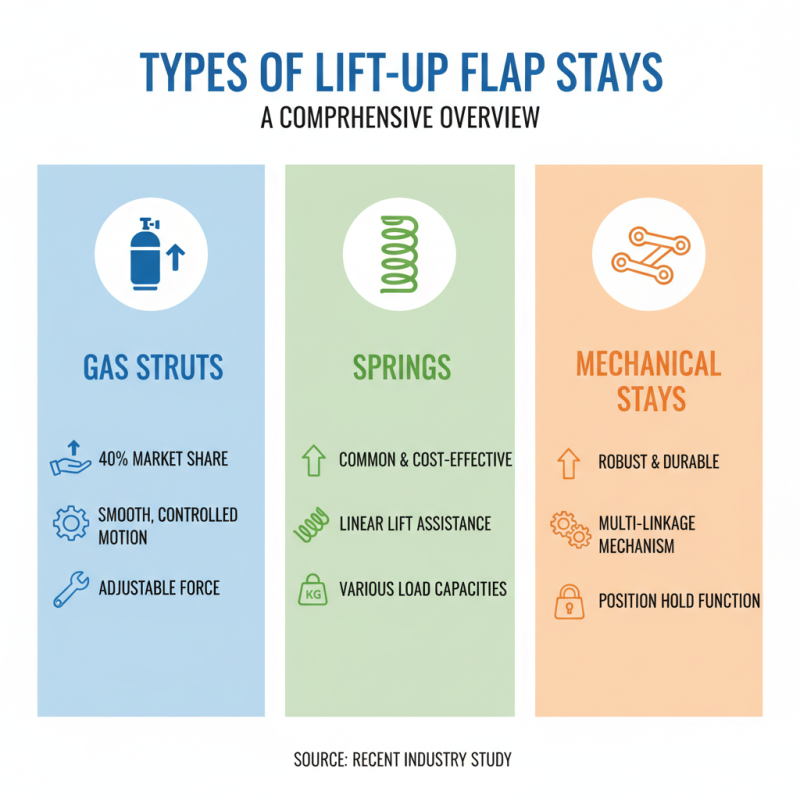
When selecting lift up flap stays, understanding the different types is crucial for effective usage. The most common types include gas struts, springs, and mechanical stays. Each type serves distinct purposes, influencing the opening mechanism and load capacity. According to a recent industry study, gas struts hold about 40% of the market share due to their adjustable force. They allow for smooth and controlled movements, essential for safety and functionality.
Springs are another viable option, providing a cost-effective solution for lighter flaps. They are easy to install but may not offer the durability required for heavier applications. Many users report inconsistent performance when overused. Mechanical stays deliver a robust solution, capable of handling significant loads. However, mechanical stays can be challenging to install, requiring precision in alignment. Poorly installed stays can lead to malfunction or unexpected failures, decreasing reliability.
Not all stays fit all applications. Choosing the right one involves weighing factors like load requirements and desired motion control. Users often overlook long-term effects, such as wear and tear from repeated use. Therefore, it’s essential to assess not just immediate needs but also future durability. This reflective approach can help prevent costly mistakes down the line.
Choosing the right lift up flap stay can greatly impact your furniture’s functionality. When selecting one, consider the weight of the door you intend to use it with. Heavier doors require stronger stays. Always check the specifications to ensure compatibility with your project.
Tip: Test the motion of the stay before installation. This allows for adjustments, ensuring that it operates smoothly. You might find that some stays require more effort to lift than others. This can affect how comfortable they are to use.
Another essential factor is the installation space. Some designs may need more room than others. Consider how the flap will open. Lightly inspecting the surrounding area can prevent future challenges. Measure twice and ensure your choice fits within those limits. It’s common to overlook this detail, leading to potential headaches later on.
Tip: Pay attention to the material of the stay. Metal options provide durability, while plastic choices may be lighter. Weighing the pros and cons will help in finding the ideal fit. Take your time exploring different options for a better outcome.
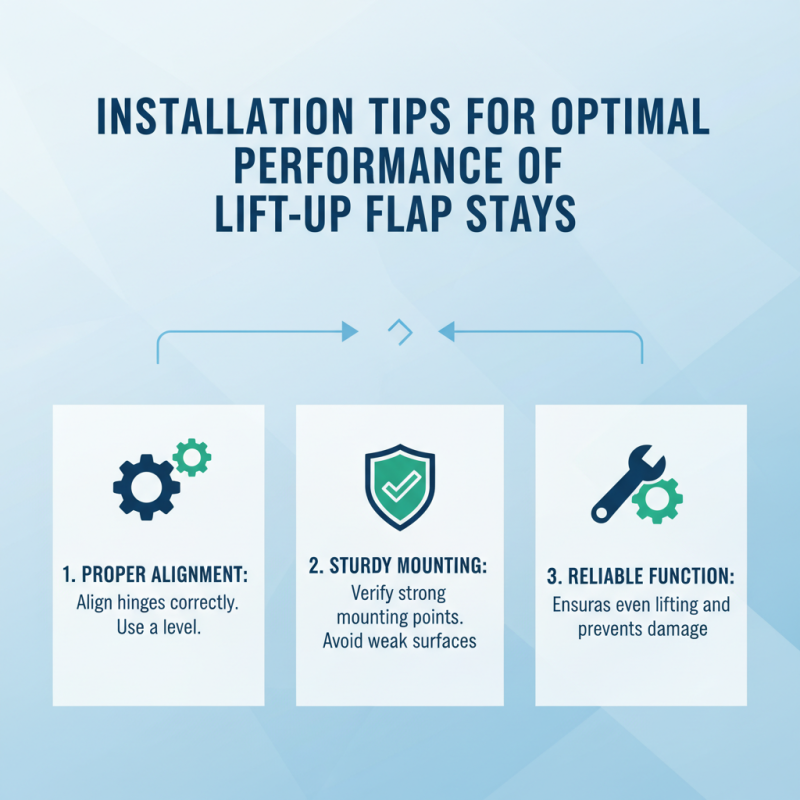
When installing lift up flap stays, proper alignment is key. Make sure the hinges are positioned correctly. Misalignment can lead to uneven lifting and potential damage. Verify that the mounting points are sturdy. Weak surfaces can compromise the entire mechanism. Use a level to check alignment during installation. This ensures reliable performance.
Pay attention to the weight the flap will support. Selecting the right lift up flap stay involves understanding its capacity. An inappropriate choice may affect functionality. Regularly check the components after installation. Wear and tear can happen unexpectedly. Look out for any loose screws or signs of wear. Addressing these issues early can prevent bigger problems later.
Consider the environment where the flap stay will be used. Humidity and temperature can affect performance. If you're in a challenging environment, additional care is necessary. Applying lubricants can help in some cases, but it may not always be perfect. Regular maintenance is essential, even if everything appears fine. Understanding these aspects will help achieve optimal performance.
When it comes to lift up flap stays, maintenance is crucial for longevity. Regularly check hinges and connections. Ensure they are tight and free of rust. Clean any dirt or debris that may accumulate over time. This simple act can prevent wear and tear.
Inspection is key. Look for any signs of damage or misalignment. If a flap does not open smoothly, it might need adjustment. Lubricate moving parts periodically to maintain ease of use. Use a silicone-based spray for best results. Be mindful of using the correct products; harsh chemicals can deteriorate the mechanism.
Consider the environment. Humidity and temperature fluctuations can affect performance. If the flap is exposed to the elements, consider additional protective measures. Remember, neglecting routine care can lead to costly repairs down the line. Staying proactive helps you enjoy the functionality of your lift up flap stays longer.
| Dimension | Description | Maintenance Tips | Longevity Factors |
|---|---|---|---|
| Weight Capacity | Maximum load the stay can support | Regularly check for any signs of bending | Choose materials suited for the load |
| Material | Type of material used for construction | Clean occasionally to prevent rust | Corrosion-resistant materials for damp environments |
| Installation Angle | Recommended angle for optimal performance | Ensure it matches the manufacturer’s specs | Improper angles can stress the components |
| Frequency of Use | How often the flap is opened and closed | Lubricate moving parts regularly | Frequent use necessitates durable components |
| Types of Flap | Variations based on design and function | Inspect for wear and tear periodically | Choose appropriate type for application |