What is a Glass Clamp and How Does It Work?
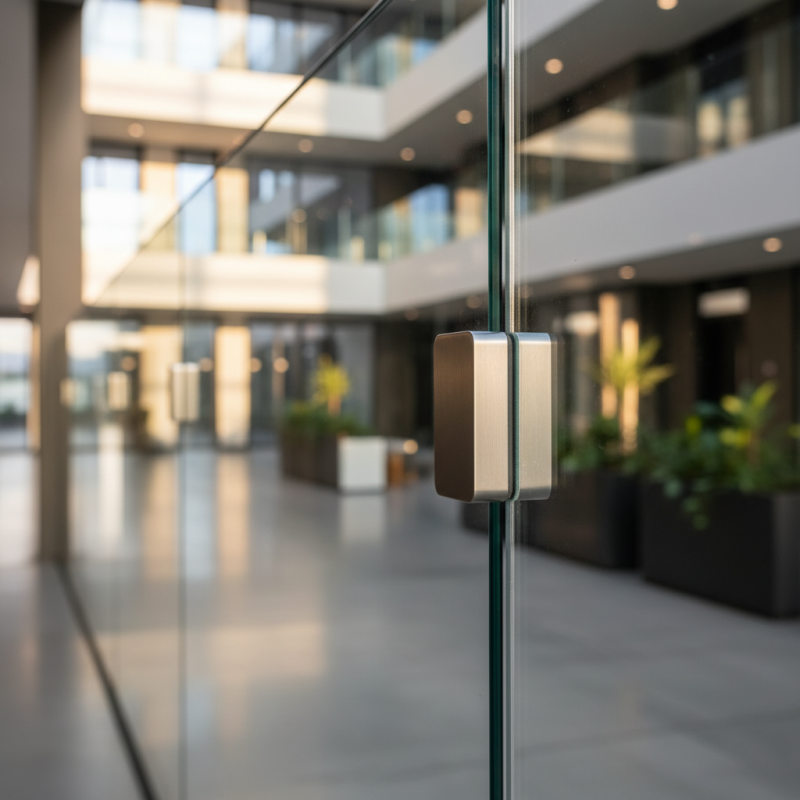
In modern architecture, a Glass Clamp plays a crucial role. This hardware is essential for securely holding glass panels in both residential and commercial buildings. The design of a Glass Clamp allows it to support weight while maintaining an aesthetic appeal.
Understanding how a Glass Clamp functions can enhance its application. It typically engages with the edges of the glass, providing stability. By using high-quality materials, these clamps ensure durability and safety. Yet, improper installation can lead to serious issues. Construction professionals must pay close attention to detail during setup.
Choosing the right Glass Clamp involves considering several factors, such as the type of glass and installation location. Each project has unique challenges. Awareness of these factors helps avoid potential pitfalls. A well-installed Glass Clamp not only secures glass but also adds elegance to the overall design.
Understanding the Definition of a Glass Clamp
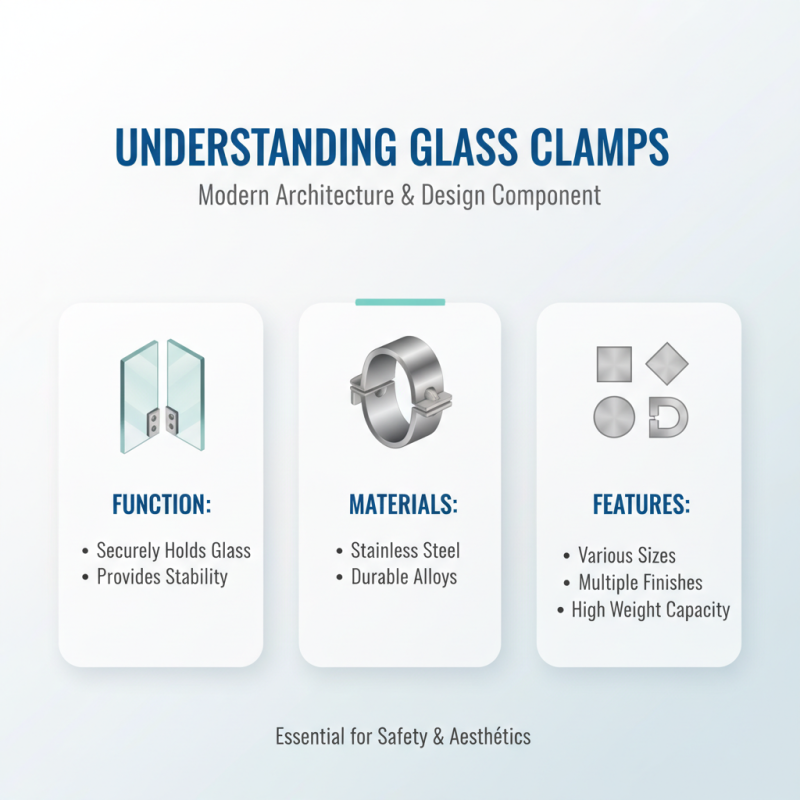
A glass clamp is a crucial component in modern architecture and interior design. It securely holds glass panels, providing structural stability. Typically made from durable materials like stainless steel, glass clamps come in various sizes and finishes. Their effectiveness lies in the ability to hold heavy glass without compromising its integrity.
According to a recent industry report from the Glass and Glazing Federation, nearly 30% of structural failures in buildings occur due to inadequate fastening systems. This highlights the importance of proper glass clamp installation. The right clamp can withstand significant force while maintaining aesthetic appeal. However, not all clamps are created equal. Poor-quality clamps may corrode over time, leading to potential hazards.
Design professionals emphasize that selecting the right glass clamp requires expertise. Factors such as load requirements, glass thickness, and environmental conditions must be considered. Neglecting these aspects can result in safety issues. Therefore, consulting with experts in glass installation is essential for optimal performance. Investing in quality glass clamps is not just about style; it's about safety and reliability.
The Different Types of Glass Clamps Available
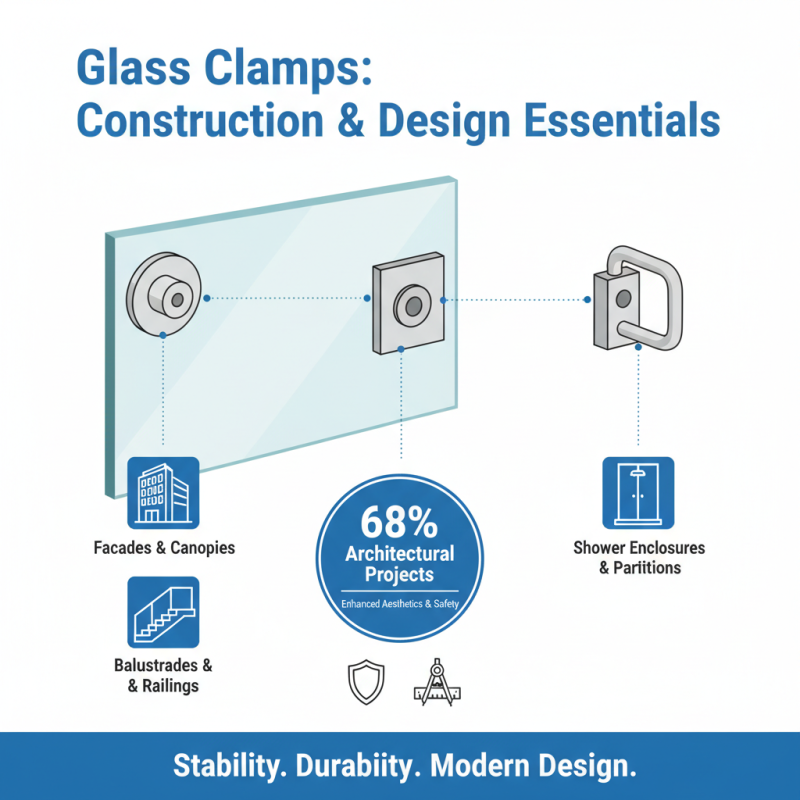
Glass clamps serve a vital role in securing glass panels in various applications. They come in multiple types, each designed for specific use cases. The most common types are U-shaped clamps, which provide a solid grip on the edges of the glass. Another popular type is the square clamp, which offers a more modern look and is often used in frameless glass installations.
Variations also include adjustable clamps, which are versatile for different thicknesses of glass. These adaptable designs are essential in projects where flexibility and customization are required. For instance, in a retail space with varying glass panel sizes, adjustable clamps can be uniquely beneficial.
It's crucial to choose the right type. Selecting a clamp that doesn't fit properly can lead to accidents or damage. Additionally, the quality of materials used can affect long-term durability. Inexperience in choosing the correct clamp may result in costly mistakes. Proper installation is equally important and often overlooked. A poorly installed clamp can compromise the entire structure, making attention to detail essential.
What is a Glass Clamp and How Does It Work? - The Different Types of Glass Clamps Available
| Type of Glass Clamp |
Material |
Usage |
Mounting Type |
| Standard Glass Clamp |
Stainless Steel |
Residential and Commercial Glass Panels |
Wall or Floor Mounted |
| Cantilever Glass Clamp |
Aluminum |
Balustrades or Railings |
Side Mounted |
| Heavy-Duty Glass Clamp |
Brass |
High Traffic Areas |
Floor Mounted |
| Adjustable Glass Clamp |
Zinc Alloy |
Custom Glass Installations |
Universal Mounting |
| Corner Glass Clamp |
Plastic Composite |
Glass Corner Structures |
Corner Mounted |
How Glass Clamps Secure Glass Panels Effectively
Glass clamps are essential components in modern architecture and interior design. These hardware pieces secure glass panels in place, ensuring stability and safety. They work by gripping the glass edges tightly, preventing any movement that could lead to breakage. Proper installation is crucial for their effectiveness, as incorrect placement can compromise the entire structure.
When securing a glass panel, consider the weight of the glass and the specific type of clamp designed for it. Not all clamps provide the same level of support. Investing in quality clamps can prevent future issues, like loosening or cracking glass. Regular maintenance checks can help identify wear or damage early.
Tip: Always ensure the glass is clean before installation. Dirt or debris can interfere with the clamp's grip. Additionally, avoid overtightening, which can cause stress on the glass edges. If unsure about installation, consult a professional to ensure safety and reliability. Remember, a good glass clamp not only enhances aesthetics but also provides peace of mind.
The Installation Process of Glass Clamps Explained
Installing glass clamps requires careful consideration and precision. The process begins with selecting the right clamp for your glass thickness. Most glass clamps accommodate thicknesses ranging from 6mm to 12mm. Proper sizing ensures a secure fit and integral support. It's crucial to consult manufacturer specifications to avoid mishaps.
Before installation, make sure the surface is clean and level. Use a measuring tape to mark the desired position of your glass panels. Position the glass clamps at least 40mm from the edges for optimal stability. An industry report highlights that improper placement can lead to increased risk of glass failure, with over 30% of glass-related incidents linked to install errors.
During installation, tighten the clamps evenly to avoid uneven pressure. This mimics the natural tension of the glass, necessary for its durability. A study indicates that correctly installed clamps can enhance glass longevity by up to 20%. However, many installers overlook rechecks post-installation, which can lead to hidden vulnerabilities. Regular inspections are essential to maintain safety and integrity.
Glass Clamp Installation Process Overview
Common Applications of Glass Clamps in Construction and Design
Glass clamps are essential components in the construction and design sectors. Their primary use is to securely fasten glass panels in various structures. According to a report by the Glass and Glazing Federation, about 68% of architectural projects incorporate glass clamping systems for enhanced aesthetics and safety. These clamps are vital in facades, balustrades, and glass railings, ensuring stability and durability.
In high-rise buildings, glass clamps support large glass panels, withstanding wind loads and thermal expansion. These clamps minimize the risk of glass breakage during installation and over time. The National Glass Association emphasizes that proper installation can increase the longevity of glass frameworks. Given that construction accidents can be costly, using reliable glass clamps reduces potential liabilities.
Tip: Always check the specifications of your glass clamps to ensure they meet your project requirements.
Commercial spaces often utilize glass clamps in interior designs, such as office partitions and storefronts. This usage improves natural lighting while maintaining a sleek appearance. However, it's crucial to balance functionality and design. Some projects struggle with the alignment of glass panels, leading to aesthetic issues. Regular maintenance helps prevent these problems.
Tip: Schedule routine inspections of glass clamps to ensure they remain securely fastened.
Ultimately, glass clamps enhance modern architecture while addressing practical challenges. Their role is ever-evolving as designs become more intricate and demanding.