Top 10 Closet Hanging Rod Options for Your Home Storage Needs?
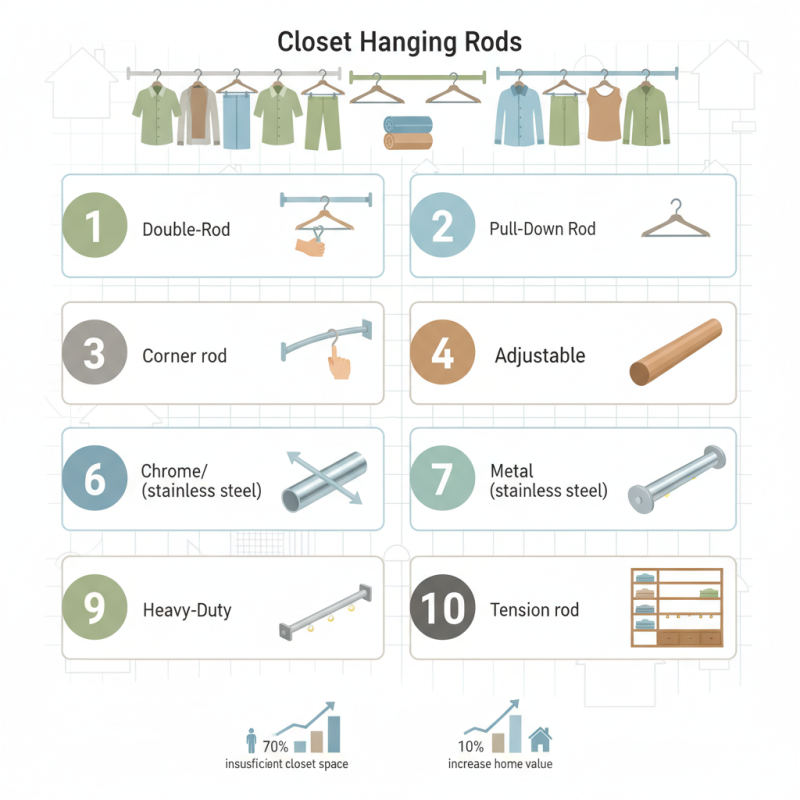
When it comes to home organization, the right storage solutions can make a significant difference. The closet hanging rod is often overlooked, yet it is vital for maximizing vertical space. According to a recent report by the Home Organization Industry, nearly 70% of homeowners struggle with insufficient closet space. The right hanging rod can greatly improve functionality and accessibility.
Investing in a high-quality closet hanging rod is essential. A survey by the National Association of Home Builders reveals that well-organized closets can increase home value by up to 10%. Many people underestimate their importance. The materials, design, and installation of these rods play a critical role in their effectiveness.
Yet, not all rods are created equal. Some homeowners find their rods bending under the weight of clothes, while others may struggle with installation. It is important to carefully consider the options. Misalignment can lead to wasted space and frustration. Therefore, selecting the right closet hanging rod requires mindful research and reflection on your specific needs.
Top 10 Closet Hanging Rod Options for Efficient Home Storage Solutions
When it comes to maximizing closet space, choosing the right hanging rod is crucial. According to a study by organizational experts, over 65% of homeowners struggle with clutter in their small spaces. An efficient hanging rod can transform a chaotic wardrobe into a well-organized system. These rods come in various materials like metal, wood, and plastic, each offering unique advantages based on weight capacity and durability. For instance, heavy-duty metal rods can support up to 100 pounds, making them ideal for bulkier items.
The placement of your closet rod also matters. Industry reports suggest that mounting rods at different heights can optimize space. Some designers recommend maintaining a rod height of 60 inches for long garments while placing a second rod below for shorter items. Imagine being able to fit all your dresses and shirts without overcrowding.
Yet, not all spaces are created equal. Remodeling old closets may reveal structural issues that necessitate additional support. It’s essential to regularly evaluate your storage setup and make adjustments as your needs change. Often, a simple reconfiguration can significantly enhance function and aesthetics.
Understanding the Load Capacity Ratings of Closet Hanging Rods
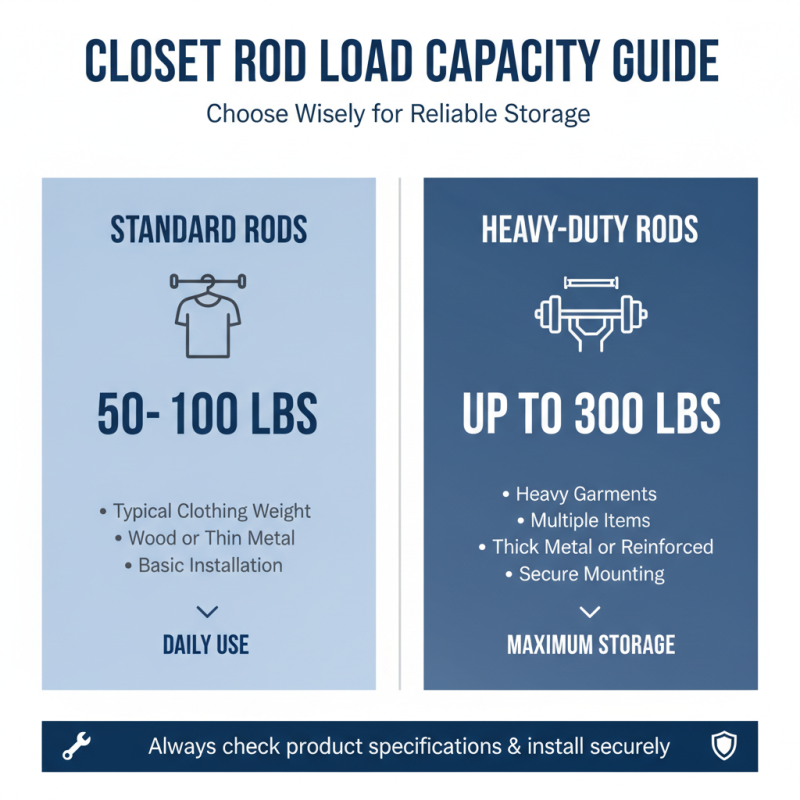
When choosing closet hanging rods, understanding load capacity is essential. Load ratings indicate how much weight rods can support, ensuring your storage solution is reliable. Standard rods can usually handle 50 to 100 pounds, depending on their material and installation. Heavy-duty options may support up to 300 pounds when properly secured.
Proper installation is key to maximizing a rod's load capacity. Use brackets that provide ample support. The wall types, anchors, and mounting hardware all play critical roles in stability. Some users may overlook this. They assume all installations will hold the same weight. This can lead to unpleasant surprises when clothes or accessories come crashing down.
Consider your storage habits. If you hang heavy winter coats, your rod needs to support that weight comfortably. Evaluate your needs before making a choice. Oversight in this area can result in a disorganized closet. Assess both your storage capacity and the materials of your hanging rod. This way, you can create an efficient and secure closet system.
Different Materials Used in Closet Hanging Rods and Their Benefits
When selecting a closet hanging rod, the material plays a crucial role in durability and functionality. Common materials include metal, wood, and plastic. Metal rods, often made from stainless steel or aluminum, offer strength and a sleek aesthetic. They are resistant to bending, making them a reliable choice for heavy garments. According to a study by the Home Storage Association, metal rods account for over 55% of sales in closet systems due to their robustness.
Wood rods provide a classic, warm look. Hardwoods, like oak or maple, are popular for their elegance. They can support significant weight but may require more care to maintain. Reports indicate that wooden rods, while stylish, are often underutilized in modern designs. This gap suggests a need for awareness about their advantages compared to metal options.
Plastic rods are lightweight and affordable, making them an attractive option for budget-conscious consumers. However, they may not support as much weight and can warp under pressure. A survey showed that about 30% of users found plastic rods less satisfying compared to other materials. This implies that while versatility in materials is essential, understanding each option's limitations is equally important for optimal closet organization.
Top 10 Closet Hanging Rod Material Comparison
Design Considerations for Maximizing Closet Space with Hanging Rods
When maximizing closet space with hanging rods, consider your unique storage needs. The layout of your closet can influence how you use these rods. Measure available space before installation. This ensures you avoid overcrowding or leaving too much unused area.
Tips: Use multiple rods at different heights. This allows for smaller clothing items underneath larger ones. It’s an efficient use of vertical space. Don’t forget to incorporate accessories like hooks. They can hold bags or scarves without cluttering the horizontal space.
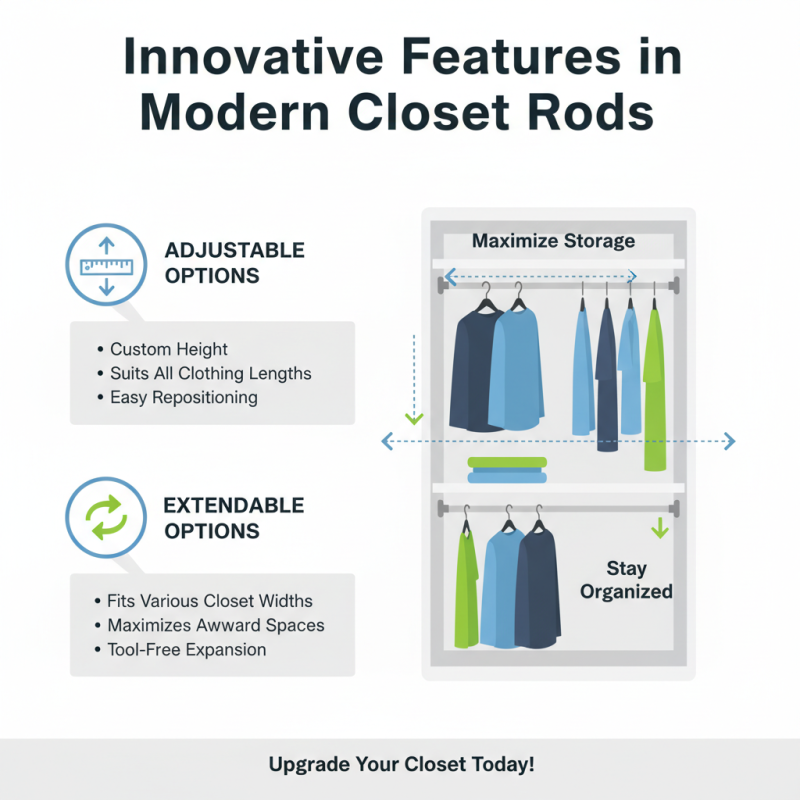
Think about the weight capacity of the rods you choose. Not all materials can handle heavy garments. It’s worth assessing what you’ll hang. Sometimes, an ideal solution could be overlooked. For example, adjustable rods allow for flexibility but may not always be the most sturdy option. Reflect on your daily needs for a more personalized design.