What is a Wardrobe Rail and How Does it Enhance Your Closet Space?
In the world of closet organization, a "Wardrobe Rail" plays a pivotal role. Expert closet designer Anna Thompson states, “A well-placed wardrobe rail transforms chaos into order.” This statement reflects the essential nature of a wardrobe rail in enhancing closet functionality.
A wardrobe rail provides a simple yet effective solution for maximizing space. It allows for easy access to clothing and accessories. By using a wardrobe rail, one can hang garments neatly, reducing wrinkles and making selection quicker. Every piece of clothing has its place. This not only saves time, but it promotes a clearer mind.
Despite its advantages, some may overlook the importance of a wardrobe rail. They might feel overwhelmed by existing clutter. The challenge lies in identifying the right rail for individual needs. A poorly chosen rail can lead to disorganization. Thus, careful consideration and planning are necessary. Integrating a wardrobe rail can lead to a more efficient, aesthetically pleasing closet space, but it requires effort and thoughtfulness.
What is a Wardrobe Rail?
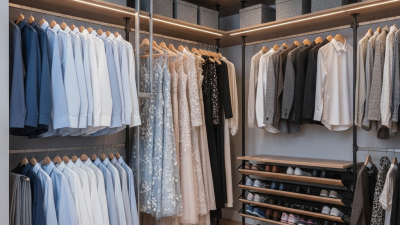
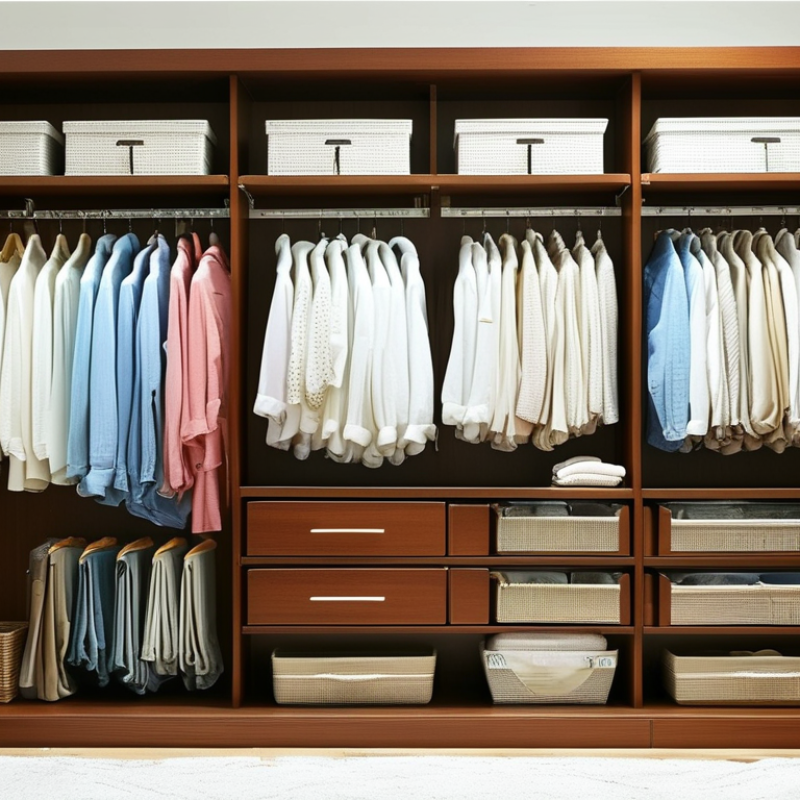
A wardrobe rail is a simple but effective solution for maximizing closet space. It consists of a sturdy bar suspended between two points, allowing you to hang clothes efficiently. This structure helps utilize vertical space, which is often overlooked in traditional closet designs. For those facing compact living situations, a wardrobe rail can be a game changer.
Installing a wardrobe rail enhances organization. Clothes are hung neatly, making it easier to see your wardrobe options. You can separate casual wear from formal attire seamlessly. While it can be tempting to overfill the rail, that often leads to wrinkles and clutter. Balancing the amount of clothing on the rail is crucial for maintaining order.
Customization is another key benefit of a wardrobe rail. You can adjust the height based on your clothing preferences. If you frequently use long dresses or coats, position your rail higher. For shorter items, a lower placement is ideal. Reflecting on this flexibility can help you create a closet that works for you. Ensure to regularly evaluate what hangs on the rail. Too often, we hold onto pieces we no longer wear. The wardrobe rail can be both a tool and a reminder to curate your collection thoughtfully.
The Functionality of a Wardrobe Rail in Closets
A wardrobe rail is a simple yet effective solution for maximizing closet space. These rails allow you to hang garments vertically, which utilizes the full height of your closet. Whether you have a small apartment or a spacious home, every inch of space counts. By installing a wardrobe rail, you create room for dresses, coats, and even shorter items like shirts.
Functionally, a wardrobe rail promotes organization. It minimizes wrinkles by allowing clothes to hang freely. When clothes are hung correctly, it's easier to find what you need quickly. A well-organized closet reduces stress during busy morning routines. However, one might overfill the rail, leading to overcrowding and difficulty in accessing certain items.
It's crucial to customize the height of the wardrobe rail to your needs. Some may find it easier to reach by installing at eye level, while others may prefer a lower position. Dimensions should be considered for optimal usage. Moreover, think about the types of hangers you use. This small detail can significantly impact the closet's efficiency. A little reflection on these choices can lead to a more functional and enjoyable closet experience.
Benefits of Using a Wardrobe Rail for Closet Organization
A wardrobe rail is an essential component for effective closet organization. It is a simple metal or wooden rod that allows for the efficient hanging of clothes. By utilizing a wardrobe rail, you can maximize vertical space, creating a clutter-free environment for your clothing. Clothes hang freely, reducing wrinkles and making selection easier. Organizing clothes by type or color enhances visibility and accessibility.
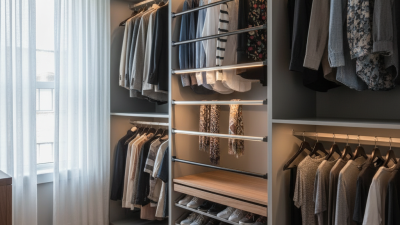
Using a wardrobe rail has various benefits for small spaces. It creates layers of storage by allowing you to position items at different heights. You can combine it with shelves and hooks for added functionality. This arrangement can turn an overcrowded closet into an organized haven. However, improper installation can result in limited durability. It is crucial to assess weight limits based on the materials used.
Consider adding baskets or bins to utilize lower sections of the wardrobe rail. This setup provides a practical solution for shoes or accessories. While the initial setup may require time, the long-term organization benefits are worthwhile. Reflecting on the arrangement can lead to even better efficiency. Therefore, investing in a wardrobe rail encourages not only better organization but also a personal connection to your wardrobe.
How to Choose the Right Wardrobe Rail for Your Space
Choosing the right wardrobe rail can significantly impact your closet space. Consider the dimensions of your closet before making a decision. Measure the height and width of the area where you plan to install the rail. A properly sized rail will maximize your hanging space.
Different materials, like metal or wood, can also influence your choice. Metal rails tend to be more durable and can handle heavier items. Wooden options add a classic touch but may not support as much weight. Reflect on the type of clothes you have. If you own many heavy coats, a sturdier metal rail is preferable.
Additionally, think about the layout. A single rail might suit a small closet, while a double rail can create more organization in larger spaces. Install it at a height that is comfortable for you. A common mistake is to place it too high or too low, making it challenging to access your clothes. Each choice requires a balance between aesthetics and practicality, which can take time and experimentation to get right.
How Wardrobe Rails Enhance Your Closet Space
Tips for Installing and Maintaining Your Wardrobe Rail
Installing a wardrobe rail can significantly transform your closet space. Research indicates that well-organized closets can increase overall home value by up to 10%. The proper installation of a wardrobe rail not only maximizes hanging space but also enhances accessibility.
To install a wardrobe rail, first, measure the height and width of the area. A standard height is around 60 to 66 inches for hanging shirts and dresses. Make sure to use sturdy wall anchors for better support. The rail should be fixed securely to the wall. Regularly check the fittings to ensure they remain tight. Inspect the rail for any signs of wear. Replacing worn-out components is crucial to maintaining safety and functionality.
Use dividers to categorize your clothing. This simple addition can save time and space. Additionally, maintain your wardrobe rail by regularly decluttering your closet. Dispose of items you no longer wear. It may feel difficult at first, but this creates more room for essentials. Consider seasonal rotations of clothing to further enhance accessibility. Keeping your wardrobe organized increases both efficiency and peace of mind, reflecting a well-thought-out approach to closet management.