What is a Wardrobe Rail and How Can It Enhance Your Storage Solutions?
A Wardrobe Rail is more than just a functional item; it is a transformative element in any storage solution. According to renowned interior designer Emily Henderson, "Wardrobe rails can change the way we organize, making it both stylish and accessible." This sentiment captures the essence of how a simple wardrobe rail can enhance your daily routine and storage practices.
These rails offer practical benefits. They support various types of clothing, making it easier to find what you need. Imagine the ease of seeing everything at a glance instead of rummaging through cluttered shelves. However, choosing the right Wardrobe Rail can be challenging. Not all rails are created equal; some may not withstand heavy items.
Moreover, the design of a Wardrobe Rail can impact the aesthetics of your space. A well-chosen rail can complement your decor, adding a touch of elegance. Yet, poor quality or poorly designed rails can detract from your home's style. Reflect on these factors to optimize your storage solutions effectively.
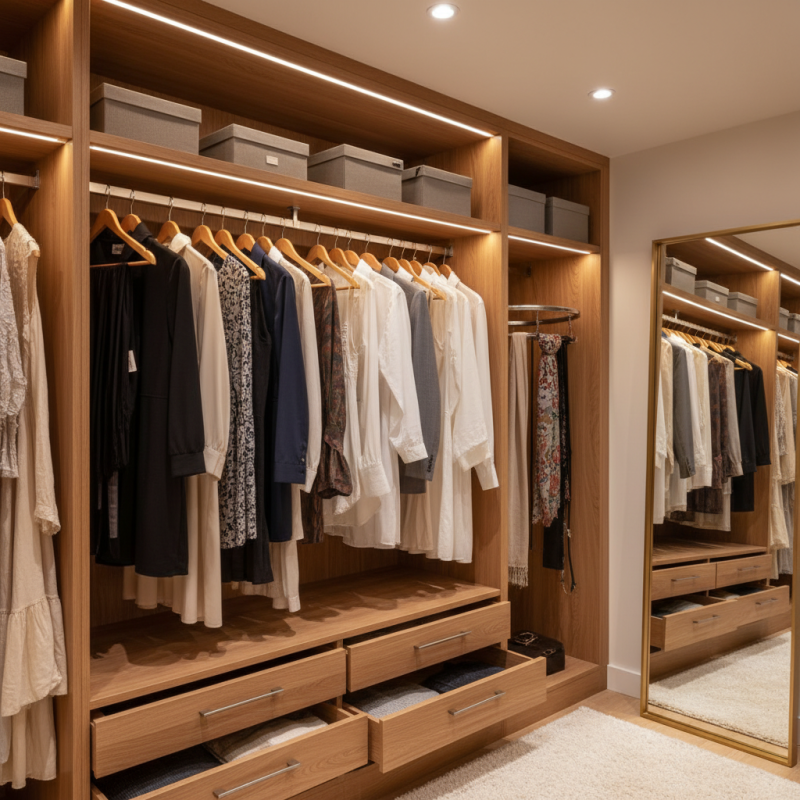
What is a Wardrobe Rail?
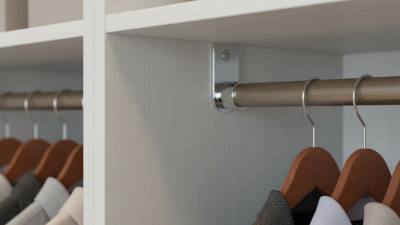
A wardrobe rail is a simple yet effective storage solution found in closets and dressing areas. It is designed to support hangers, allowing clothes to be neatly organized and easily accessible. According to industry reports, a well-organized wardrobe can save individuals an average of 20 minutes weekly, eliminating the hassle of searching for misplaced items. This enhances not only efficiency but also the overall aesthetic of personal spaces.
Implementing a wardrobe rail can significantly improve your storage capacity. By installing multiple levels or adding hooks for accessories, you maximize vertical space. This is especially useful in smaller rooms, where floor space is limited. Remember to consider the weight capacity of your rail. A rule of thumb is to avoid overloading each section to prevent sagging.
Tips: Keep frequently worn items at eye level. This makes dressing quicker and more intuitive. Regularly purging items that you no longer wear can also enhance the effectiveness of your wardrobe. Reflect on what you truly need in your wardrobe. An organized space can lead to a clearer mind, creating a more enjoyable daily routine.
Wardrobe Rail Usage Statistics
The Different Types of Wardrobe Rails Available
Wardrobe rails are essential components that significantly enhance your storage solutions. They come in various types, each designed for specific storage needs. A popular option is the single rail, which maximizes hanging space for garments. Ideal for smaller spaces, it helps maintain organization and accessibility.
For more extensive storage needs, consider double or tiered rails. These allow for efficient layering of clothes, making it easier to categorize and find your attire. According to a recent report by the Home Organization Institute, about 65% of users find that optimized wardrobe systems increase their storage efficiency dramatically.
Tips: When installing a wardrobe rail, ensure it is at an appropriate height for easy access. Regularly declutter the items hung to avoid overwhelming the space. Also, consider using adjustable rails which can adapt as your storage needs change.
Another option is pull-out or sliding rails, perfect for maximizing closet depth. They offer flexibility and convenience, making it simple to view and select items. Studies suggest that users report a 30% improvement in ease of use with these systems. Remember to reflect on your habits—are you utilizing your wardrobe efficiently? Adjustments may lead to better organization and more enjoyable experiences with your clothing.
Benefits of Using Wardrobe Rails for Storage Solutions
Wardrobe rails are essential for maximizing storage in any closet. They provide a simple yet effective way to organize clothing. A report by the International Furniture and Home Furnishing Association highlights that 70% of households face storage challenges. Wardrobe rails can address these issues efficiently.
Using wardrobe rails increases visibility and accessibility to your clothes. When clothing is hung neatly, it reduces the time spent searching for items. According to a study by the National Association of Professional Organizers, well-organized spaces can improve overall productivity by up to 20%. This efficiency can be especially notable in busy family homes.
Moreover, wardrobe rails allow for customization. Users can adjust the height and spacing to suit their needs. Nonetheless, many overlook the need for regular maintenance, such as ensuring rails are sturdy and free from damage. Inadequate care can lead to issues like sagging or disorganization. Reflection on usage patterns is necessary to maintain optimal functionality.
How to Properly Install a Wardrobe Rail
Installing a wardrobe rail can transform your storage solutions. It maximizes space and adds organization. To get started, choose the right type of rail for your needs. Consider the weight of the items you plan to hang. Heavy coats need sturdier rails, while lighter garments can use simpler designs.
Preparation is key. Measure your wardrobe space accurately. Mark where the rail will be installed. Use a level to ensure it’s straight. Secure brackets firmly into the wall or the wardrobe material. This is essential for stability. An improperly installed rail can lead to frustrating failures.
**Tips:** For a cohesive look, match the rail color with your wardrobe’s interior. Don’t overload the rail; it should hold items comfortably. Finally, if you’re unsure about your installation skills, don’t hesitate to seek professional help. Sometimes it's worth it to ensure the job is done right.
Tips for Organizing Your Wardrobe with a Rail System
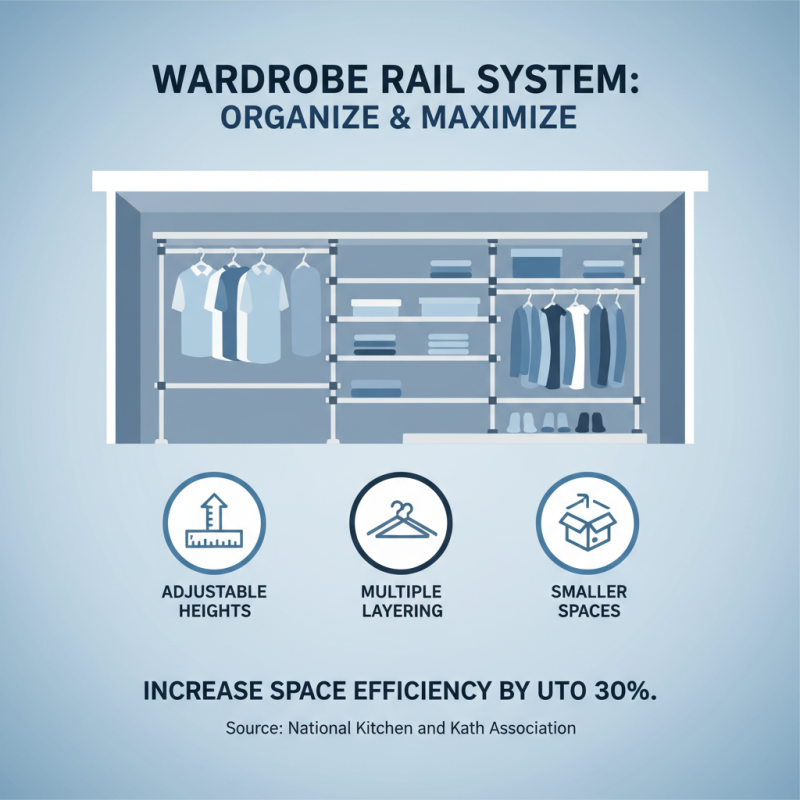
When organizing your wardrobe with a rail system, you can maximize your available space. A well-designed rail system allows for adjustable heights and multiple layering options. This flexibility is essential, especially in smaller living areas. According to the National Kitchen and Bath Association, effective storage solutions can increase space efficiency by up to 30%. This can lead to a more functional wardrobe.
Utilizing a rail system can also enhance accessibility. Hanging clothes at eye level reduces the time spent searching for items. This can improve your daily routine. Furthermore, when you have a systematic arrangement, you can easily identify clothing that you no longer wear. Reports indicate that many individuals wear only 20% of their wardrobe regularly. This realization can prompt a necessary reevaluation of your clothing choices.
However, it’s crucial to think about your specific needs. A poorly planned rail setup may lead to overloading and disorganization. Each person's wardrobe is unique, and trial and error may be necessary. Take time to assess what works best for you. The goal is to create an orderly space that makes dressing easier and faster.