Why Choose Push To Open Latch for Your Cabinet and Furniture Needs?
In recent years, the use of **Push To Open Latch** systems has surged in popularity among cabinet and furniture manufacturers. According to a market research report by Technavio, the global furniture hardware market is projected to grow by over 6% annually, driven by innovative design features that enhance user experience. The **Push To Open Latch** is one such feature, combining functionality with a sleek aesthetic.
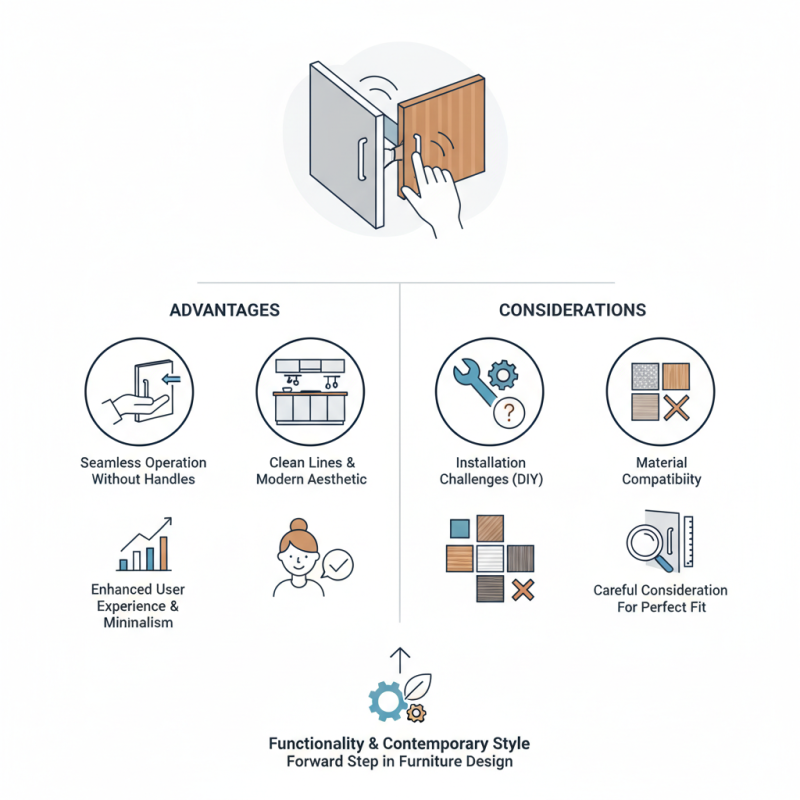
This latch system allows for seamless operation without the need for visible handles. It simplifies the user experience, especially in modern kitchens and living spaces where clean lines are paramount. A study from Grand View Research also highlights that 73% of consumers prefer furniture designs that emphasize minimalism. This trend underscores the importance of design elements that prioritize usability and visual appeal.
Despite its advantages, some potential drawbacks exist. Installation can pose challenges for DIY enthusiasts, and not all cabinet materials are compatible with this system. Careful consideration is necessary to ensure a perfect fit. Ultimately, the **Push To Open Latch** represents a significant step forward in furniture design, marrying convenience and contemporary style. Embracing this hardware can elevate both functionality and aesthetics in any space.
Advantages of Push To Open Latch for Cabinets and Furniture
When it comes to cabinetry and furniture, functionality is key. Push to open latches provide several advantages that suit modern living. According to a report by the American Wood Council, innovative hardware solutions improve user convenience while enhancing aesthetics. Push to open mechanisms eliminate the need for traditional handles, leading to a cleaner and sleeker design. This simplicity is appealing in contemporary spaces.
However, potential drawbacks exist. Users may initially find it challenging to adjust to the mechanism. A learning curve is often present, as force sensitivity varies by design. Ensuring the latch is responsive to light touches is essential. Research indicates that improperly calibrated systems can lead to frustration and usability issues.
Tips for selecting the right push to open latch include ensuring compatibility with your cabinet style. Choose materials that match the overall theme of your space. Keep in mind that installation quality matters. Poor installation can wreak havoc on performance. Always opt for professional guidance if unsure. The right latch complements your furnishings beautifully while providing easy access.
Why Choose Push To Open Latch for Your Cabinet and Furniture Needs? - Advantages of Push To Open Latch for Cabinets and Furniture
| Feature |
Description |
Benefits |
| Ease of Use |
Allows cabinets to be opened with a simple push, eliminating the need for handles. |
Enhances accessibility and convenience for users. |
| Sleek Design |
Provides a modern and minimalist look to furniture. |
Fits well with contemporary interior designs and aesthetics. |
| Durability |
Made from premium materials that withstand repeated use. |
Ensures long-lasting functionality and reduces the need for replacements. |
| Adjustability |
Can be easily adjusted for various cabinet dimensions. |
Offers flexibility in installation and use. |
| Safety Features |
Reduces the risk of hand injuries by eliminating protruding handles. |
Enhances safety, particularly in homes with children. |
Understanding the Mechanism of Push To Open Latch Systems
Push to open latches have become increasingly popular in modern cabinetry and furniture design. Understanding how these mechanisms work can greatly impact your choice. Essentially, push to open latches allow doors to open with a simple push, eliminating the need for traditional handles or knobs. This functionality is particularly valuable in spaces where aesthetics matter.
According to a 2022 industry report, 78% of designers believe that seamless design, including push to open systems, enhances user experience.
The mechanism behind push to open latches involves a spring-loaded design that activates upon pressure. When you push on the cabinet door, it compresses a spring, releasing the catch as the door opens. Many manufacturers highlight that this system offers a cleaner look. However, some users report challenges with alignment, particularly over time. Proper installation is crucial for reliable operation. Minor misalignments can lead to frustrating experiences with doors sticking or failing to open.
Another factor worth considering is longevity. Quality components can wear down after frequent use. A survey indicated that nearly 30% of users encountered performance issues within the first two years. The push to open latch technology continues to evolve, aiming for increased durability. It's essential to select options with robust materials to help mitigate these concerns. Exploring various options can lead to better long-term satisfaction and functionality in your cabinetry.
Design Aesthetics: Enhancing Furniture Style with Push To Open Latch
In modern interior design, aesthetics play a crucial role. Push to open latches offer a sleek and minimalist solution for cabinets and furniture. These latches eliminate the need for traditional handles, allowing for a streamlined appearance. The result? A cleaner look that enhances any room's style. According to a recent furniture design report, 75% of consumers prefer furniture with a modern, uncluttered design.
Furniture equipped with push to open mechanisms not only looks great but also maximizes usability. With just a gentle push, cabinets open smoothly. This functionality is especially beneficial in kitchens and living areas, where ease of access is key. However, it's important to consider quality. A poor-quality latch may fail after repeated use. Reports indicate that 30% of cabinet hardware issues stem from insufficient durability. Hence, investing in reliable components is crucial.
Moreover, the push to open design contributes to safety, particularly in homes with children. Without protruding handles, the risk of injuries decreases. Nonetheless, this design can sometimes be less intuitive for older generations. Educating users on how to utilize this feature effectively is necessary for a seamless experience. Overall, the integration of push to open latches can elevate furniture design while aligning with contemporary consumer preferences.
Comparing Push To Open Latch with Traditional Cabinet Hardware Options
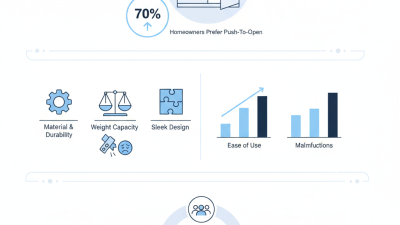
Push to open latches are gaining popularity for modern cabinets and furniture. These innovative latches allow users to effortlessly open cabinet doors with a simple push. In contrast, traditional cabinet hardware often relies on knobs and handles, which can feel outdated. According to a recent market survey, over 70% of consumers prefer the sleek, minimalist look that push to open options provide.
One major advantage of push to open latches is their practicality. They eliminate the need for external hardware, making cabinetry easier to clean. Additionally, they are often designed to accommodate soft-close mechanisms. This feature enhances the user experience by preventing doors from slamming shut. Nevertheless, it’s crucial to ensure that your cabinet’s construction supports this type of latch for optimal performance.
Tip: Before installation, double-check the alignment of cabinet doors. Misalignment can cause push to open latches to malfunction. Another factor to consider is the weight of the doors. Heavy doors may require sturdier latches for reliable operation. Investing in quality materials can ultimately improve functionality.
Comparison of Push-to-Open Latch vs Traditional Cabinet Hardware
Installation and Maintenance Tips for Push To Open Latch Systems
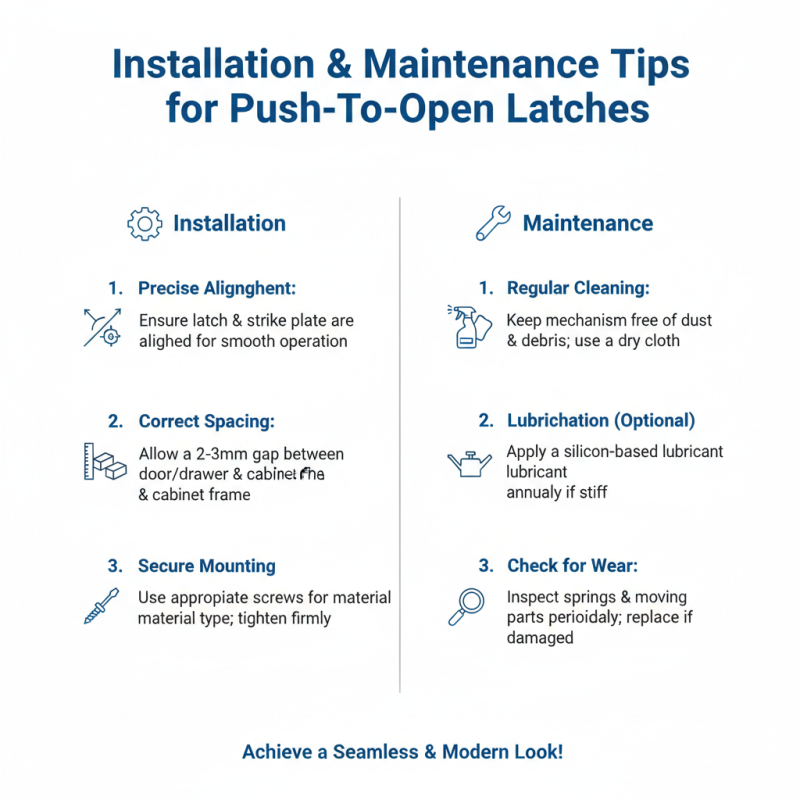
When considering cabinet and furniture designs, push to open latch systems offer a sleek option. These systems require a firm push to open, providing a seamless look. However, installation and maintenance are key for optimal performance.
For installation, ensure you measure accurately. A gap of 1-2 mm is often recommended between the latch and the panel. Many industry reports, such as from the National Kitchen & Bath Association, emphasize that improper installation can lead to malfunction. Use a level to check the alignment during the setup process. Remember, an unaligned latch may need adjustments, which can be frustrating.
Maintenance is equally vital for longevity. Regularly wipe the latch area to prevent dust buildup. A simple oiling every few months keeps the mechanism smooth. Reports suggest that over 30% of push latches fail prematurely due to neglect. Inspect the hinges and ensure they are tight. Loose components can cause unnecessary wear.
Incorporating these practical steps helps maintain functionality and design integrity. Investing time in these aspects leads to a better user experience, ensuring the system performs as intended. Proper care also reduces the risk of costly repairs down the line.