Home hardware manufacturer 18+ years

Leave Your Message
-
E-mail
-
Whatsapp

-
Wechat

Home hardware manufacturer 18+ years


Premium hardware components designed for modern kitchen ergonomics
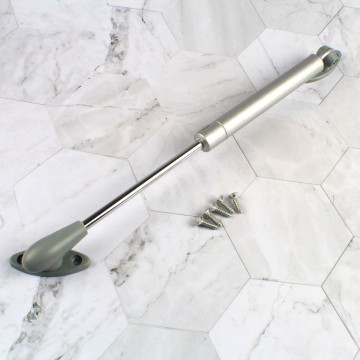
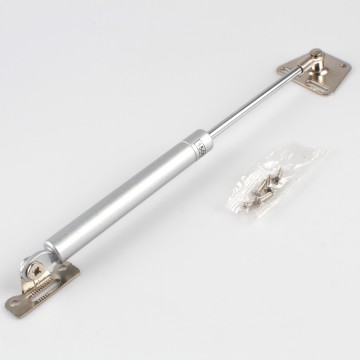
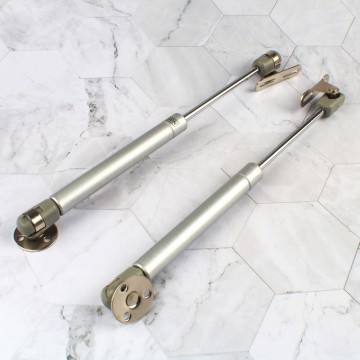
The evolution of kitchen design has fundamentally shifted from traditional side-swing doors to sophisticated, ergonomic vertical lift systems. At the heart of this transformation is the Cabinet Door Gas Spring. Specifically engineered for kitchen cabinets and lift-up cabinet doors, these pneumatic devices utilize compressed nitrogen gas contained within a sealed cylinder to provide controlled, smooth, and effortless motion. Unlike traditional mechanical springs that degrade over time and offer inconsistent resistance, gas springs deliver a linear force curve, ensuring that heavy MDF, solid wood, or glass-fronted overhead cabinets can be opened with minimal physical exertion and remain securely suspended in the open position.
In contemporary interior architecture, maximizing space utilization while maintaining a minimalist aesthetic is paramount. Overhead kitchen cabinets equipped with high-quality gas struts allow homeowners to leave doors open while cooking without the risk of head injuries, a common hazard associated with standard swinging doors. The integration of these components represents a perfect marriage of industrial physics and domestic convenience, establishing a new baseline for what consumers expect from premium cabinetry hardware.
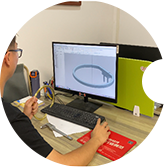
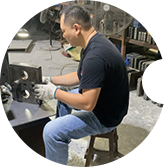
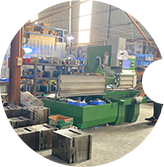
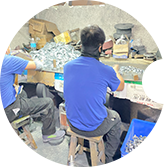
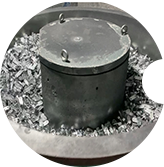
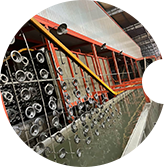
🏭From an industrial perspective, the production of gas springs for kitchen cabinets is a highly specialized sector that demands rigorous quality control and advanced metallurgical processes. The global B2B market for furniture hardware is experiencing unprecedented growth, driven by the booming real estate sector and the rising trend of kitchen remodeling. Manufacturers are continuously upgrading their production lines with automated CNC machining, precision die-casting (often utilizing high-grade zinc alloys for mounting brackets), and state-of-the-art electroplating processes to ensure maximum resistance against the humid and corrosive environments typical of residential and commercial kitchens.
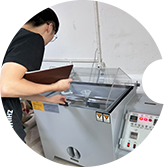
Quality assurance in this industry is uncompromising. A standard gas lift spring must undergo rigorous lifecycle testing, often exceeding 50,000 to 100,000 open-close cycles without losing pneumatic pressure. Furthermore, salt spray testing is mandatory to guarantee that the metal casings and piston rods do not rust when exposed to cooking steam, grease, and cleaning chemicals. Leading manufacturers, leveraging decades of experience in wardrobe and general furniture hardware, have successfully pivoted their deep engineering expertise to dominate the specialized niche of kitchen cabinet lift mechanisms, ensuring zero-defect rates and long-term reliability for global distributors and cabinetry brands.
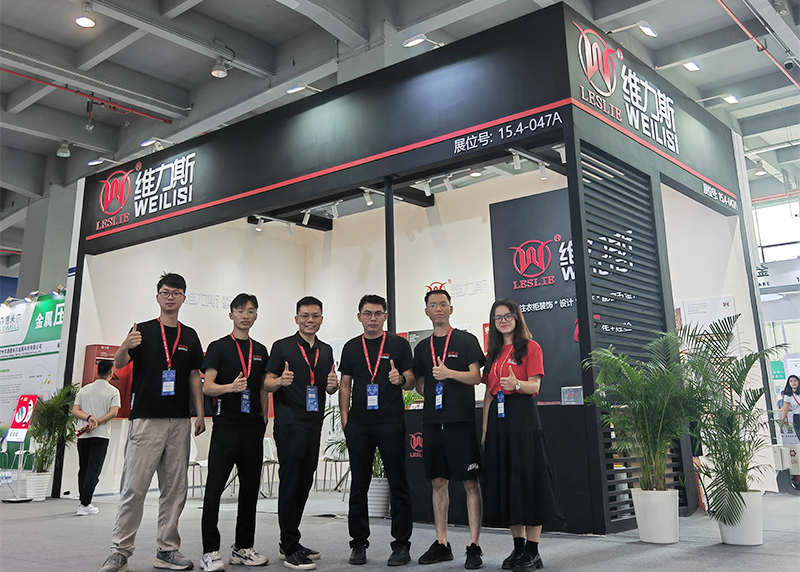
We actively participate in the Canton Fair, a globally renowned trade fair that brings together high-quality suppliers and buyers from all walks of life. At the Canton Fair, we have established close cooperative relationships with many outstanding buyers to ensure that we can provide customers with high-quality products. By working directly with this buyer, we are able to better control the quality and cost of our products, thereby providing customers with more competitive prices. Our team of experienced business managers can provide you with professional market analysis and suggestions to help you make informed purchasing decisions.
SEE MORE ABOUT USThe trajectory of cabinet hardware development is steering rapidly towards seamless integration with smart home ecosystems and enhanced user comfort. One of the most prominent trends is the widespread adoption of Soft-Close Technology combined with gas springs. By incorporating hydraulic dampeners alongside the pneumatic cylinder, manufacturers have eliminated the jarring impact of closing doors, resulting in a whisper-quiet kitchen environment. This hybrid technology not only protects the structural integrity of the cabinetry but also significantly elevates the perceived luxury of the kitchen space.
Furthermore, the industry is witnessing a surge in "Touch-to-Open" (push-to-open) mechanical systems paired with gas struts. This innovation allows for completely handle-less kitchen designs, catering to ultra-modern, sleek aesthetic preferences. Looking slightly further ahead, the miniaturization of gas springs is a major R&D focus. Engineers are developing slimmer profiles that deliver higher Newton (N) forces, allowing robust lifting capabilities to be concealed within thinner cabinet side panels. Additionally, motor-assisted lift systems, where gas springs work in tandem with low-voltage electric motors activated by voice commands or touch sensors, are beginning to transition from high-end luxury niches to mainstream premium markets.
📐The versatility of the Cabinet Door Gas Spring extends far beyond standard overhead cupboards. Understanding the specific application scenarios is crucial for interior designers and cabinet makers to select the correct Newton force and strut length:
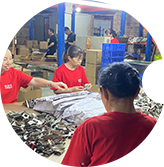
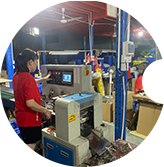
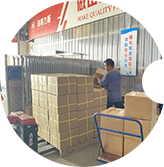
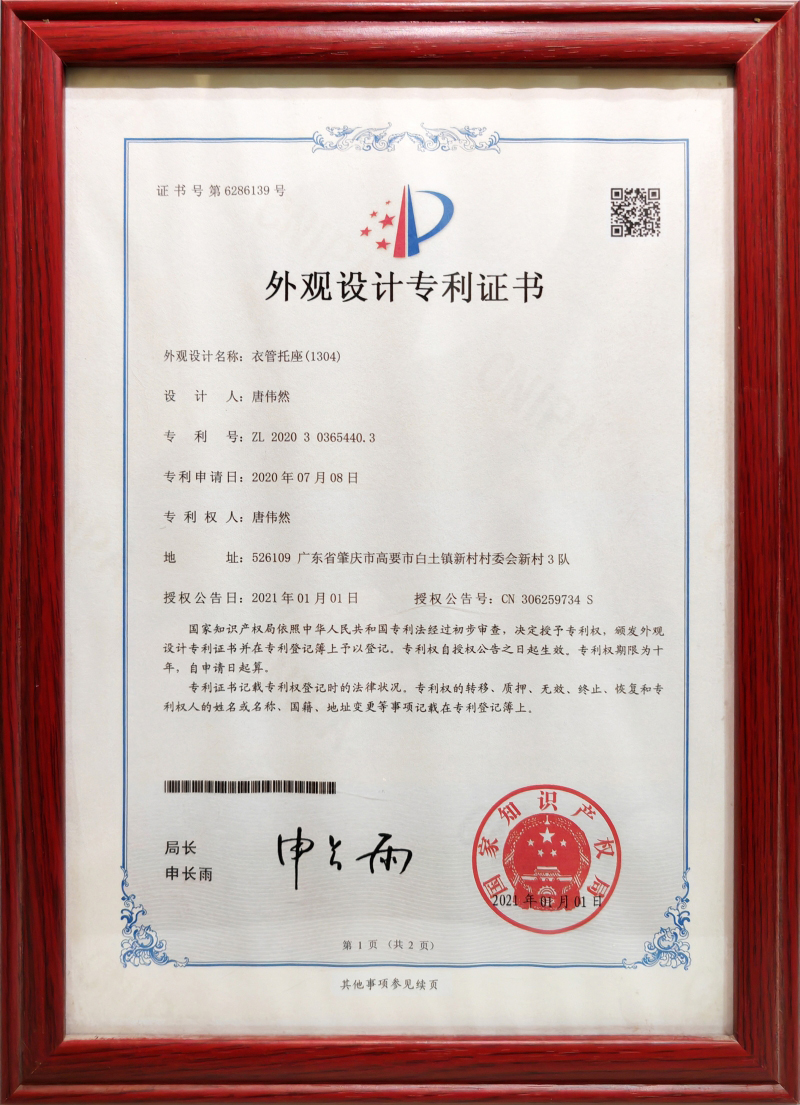
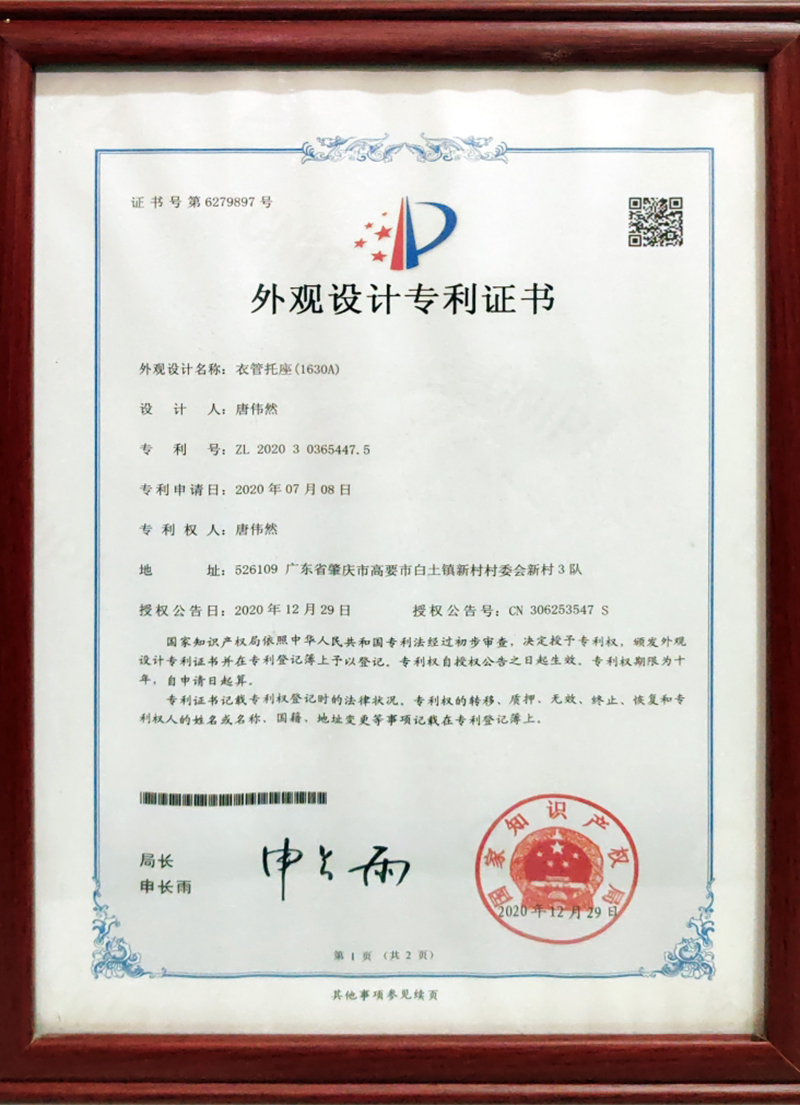
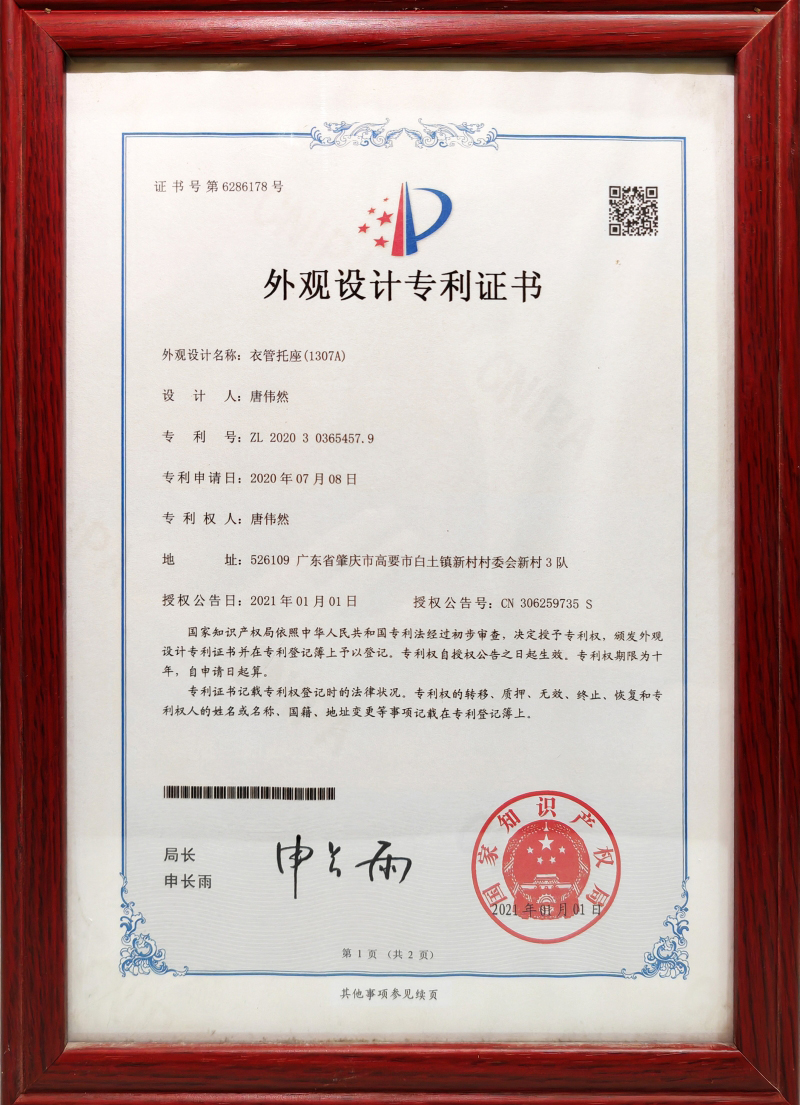
Strong source manufacturer of hardware accessories with 17+ years of experience.

The fundamental metric of any gas spring is its lifting force, measured in Newtons (N). For kitchen cabinets, selecting the incorrect force can lead to disastrous results. If the force is too low, the heavy wooden door will sag and fail to remain open, creating a safety hazard. Conversely, if the force is too high, closing the door will require excessive physical effort, and the constant upward pressure may eventually rip the hinges or mounting brackets directly out of the cabinet's particleboard framework.
Calculating the required force involves a specific formula: considering the weight of the door (including the handle), the height of the door, and the mounting angle. Professional hardware manufacturers provide detailed nomograms and online calculators to assist cabinet makers. Typically, a standard overhead kitchen flap door requires gas springs ranging from 50N to 150N. However, for specialized lift-up applications involving thick solid oak or double-glazed glass panels, heavy-duty variants outputting 250N or more are strictly required. Understanding this delicate balance of physics is what separates premium kitchen installations from amateur setups.
🛡️The longevity of a kitchen cabinet gas lift heavily depends on the materials used in its construction. The cylinder is typically crafted from seamless steel tubes, which are then treated with advanced electroplating or powder coating to resist the harsh, humid, and frequently greasy environment of a kitchen. The piston rod, the most critical moving part, undergoes a specialized QPQ (Quench-Polish-Quench) nitriding process. This treatment provides a mirror-like finish that minimizes friction against the internal rubber seals, preventing the gradual leakage of nitrogen gas.
From a maintenance perspective, high-quality gas springs are designed to be maintenance-free. They should never be lubricated by the end-user, as external oils can degrade the internal pressure seals. Installation precision is also vital; the strut must be mounted perfectly parallel to the cabinet's side walls to prevent lateral stress on the piston rod, which can cause premature seal failure. By adhering to these strict manufacturing and installation guidelines, a premium gas spring will easily outlast the cabinetry itself, providing decades of flawless, gravity-defying performance.
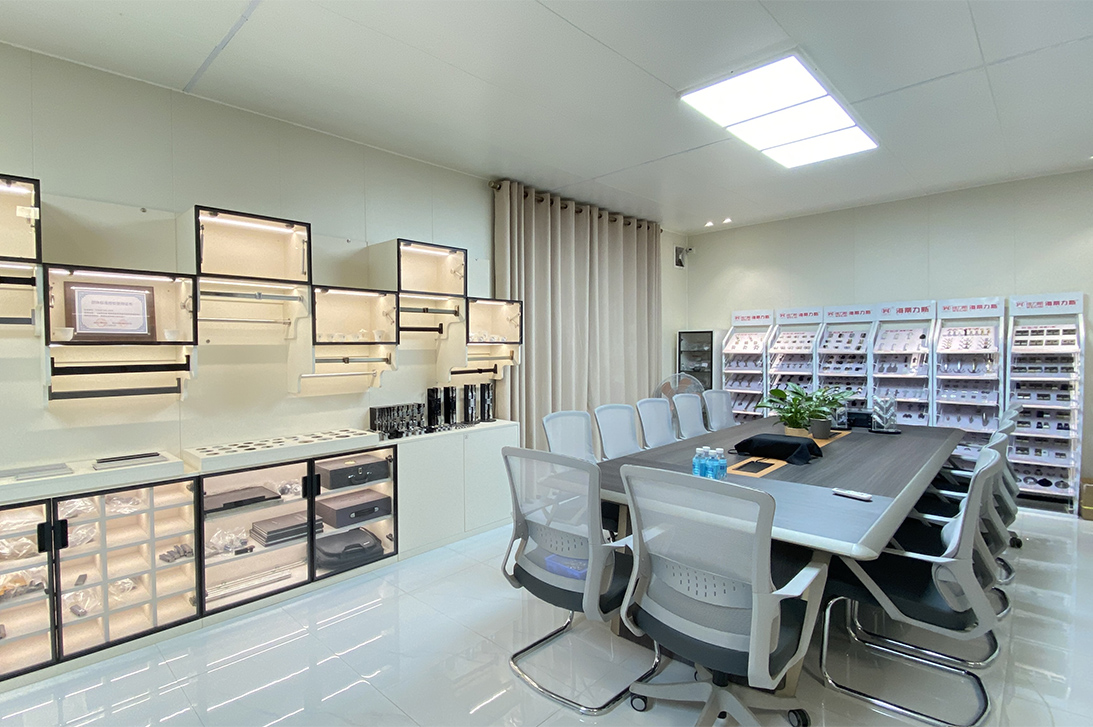
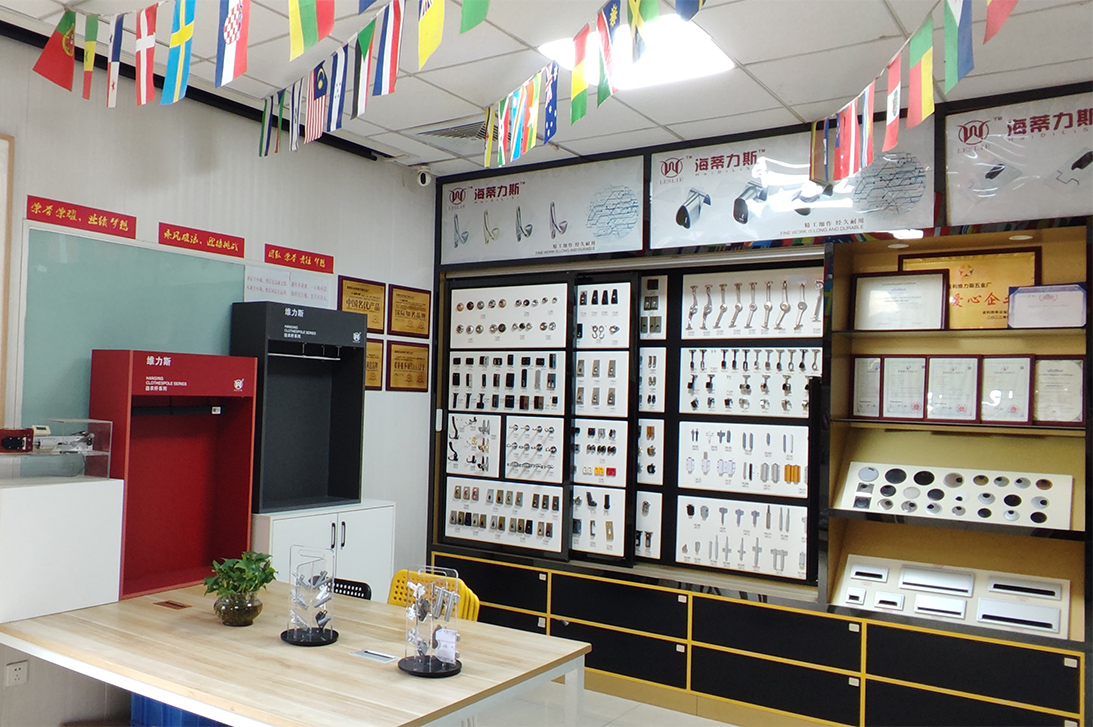
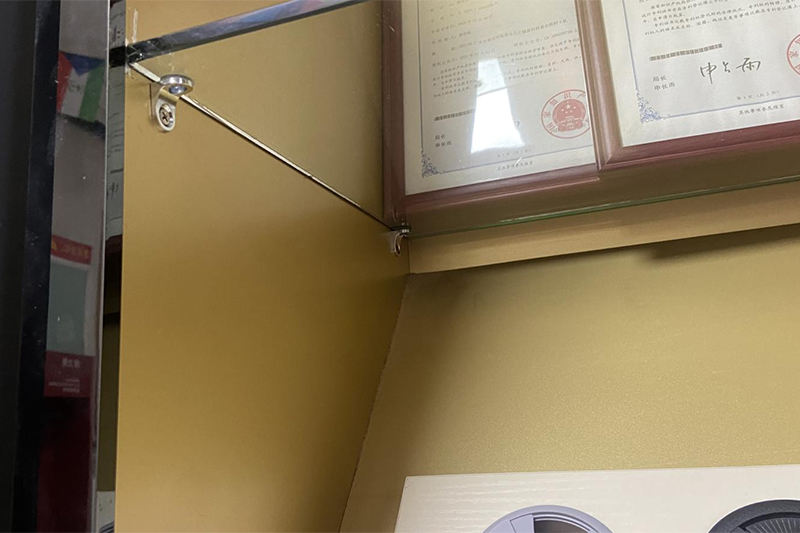
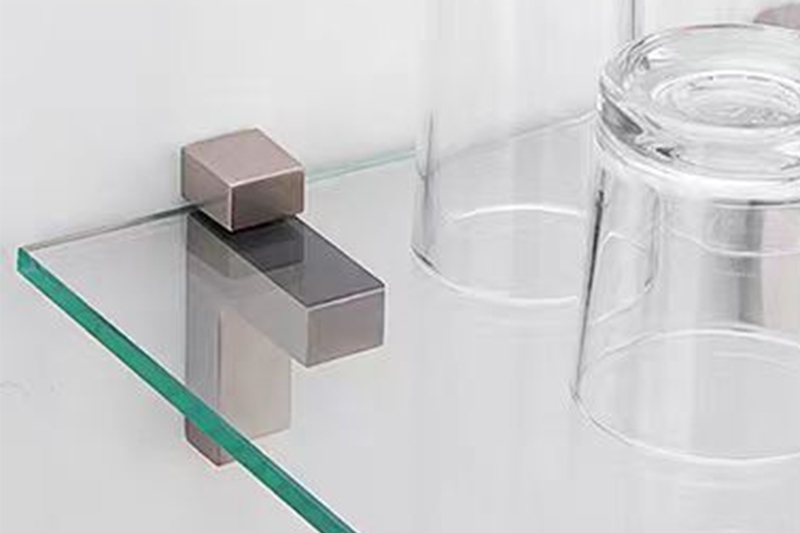
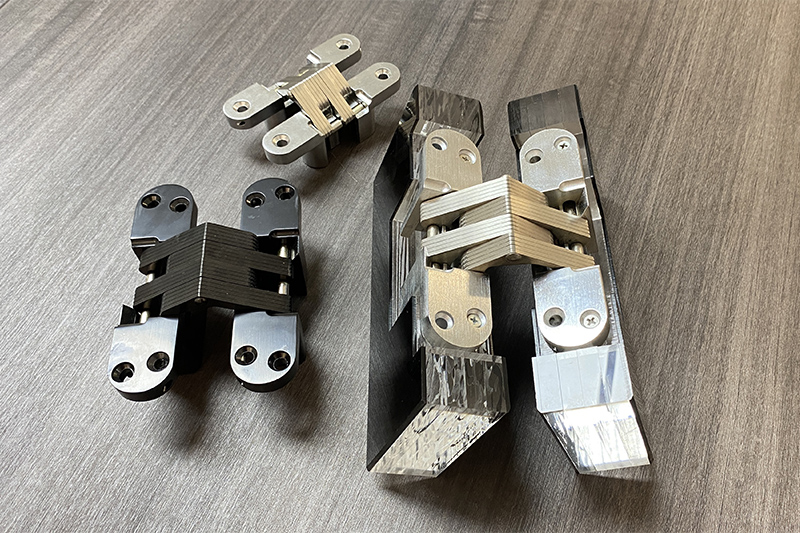
In modern home design, the choice of wardrobe and kitchen hardware accessories is crucial. ZHIMAX Hardware has been focusing on home hardware accessories for 17 years and is committed to providing consumers with high-quality hardware solutions. Its product line covers a variety of accessories, including cabinet door gas springs, rebounders, random stops, air supports, shelf brackets, glass clips, flip hinges, etc., perfectly adapting our deep expertise to kitchen environments.

Senior Engineer
Create a new generation of hardware from the inside out to improve people's quality of life.



Creating a new generation of healthy environments from the inside out.
Explore our full range of precision-engineered products