Home hardware manufacturer 18+ years

  • Facebook
  • linkedin
  • TikTok
  • youtube
  • Twitter
Leave Your Message

2026 Top Cabinet Door Support Types for Global Buyers?

Choosing the right Cabinet Door Support can affect safety, appearance, installation speed, and long-term customer satisfaction. For global buyers, the decision is rarely as simple as selecting the strongest model. Door material, width, opening angle, cabinet depth, and usage frequency all influence performance. A lightweight aluminum flap may need a different support from a solid oak door with thick glass. Small details matter.

This 2026 guide introduces the leading support types used across residential, hospitality, office, and retail furniture. It compares gas struts, flap stays, lid stays, friction supports, folding supports, concealed mechanisms, and assisted-opening systems. Each option has practical strengths and limits. Gas struts can provide smooth lifting, while concealed supports create a cleaner front view. Folding systems may suit wider doors, but they require accurate alignment. Not every popular product fits every cabinet.

Real project experience shows that installation conditions often change the final result. A support rated for a certain door weight may perform differently after hinges, handles, glass, or decorative panels are added. That assumption deserves a second look. Buyers should verify load calculations, mounting positions, cycle testing, corrosion resistance, adjustment range, and replacement availability. Samples should be tested on actual door materials before large orders are approved.

Regional expectations also vary. Some markets prioritize soft movement and hidden hardware. Others focus on price, easy assembly, or strong after-sales support. Reliable suppliers should provide clear technical drawings, tested specifications, installation guidance, and traceable quality records. This guide uses those practical criteria to help international buyers compare options with greater confidence. There is no universal winner. The best Cabinet Door Support is the one that matches the door, cabinet, installer, and market.

2026 Top Cabinet Door Support Types for Global Buyers?

What Are Cabinet Door Supports and Why Do Global Buyers Need Them?

Cabinet door supports are hardware components that guide, hold, or control a door during movement. They help prevent sudden drops, unstable openings, and unnecessary stress on hinges. Common types include gas springs, flap stays, folding supports, concealed lid stays, and soft-closing mechanisms. Each type suits a different door weight, opening angle, and cabinet layout.

Global buyers need these supports because cabinet designs vary widely across homes, hotels, offices, and commercial projects. A heavy overhead door may require a gas spring, while a narrow wall cabinet may work better with a concealed support. Door material also matters. Solid wood, glass, and engineered panels create different loads. Accurate weight and size data should guide purchasing decisions, not appearance alone.

Reliable sourcing requires checking load ratings, mounting strength, corrosion resistance, and cycle-test information. Products shipped across humid or coastal regions need suitable surface protection. Installation instructions should show screw positions and adjustment steps clearly. Small errors can cause rubbing or early failure. In practice, even a well-rated support may perform poorly on weak cabinet panels. That detail is easy to overlook. Buyers should request samples, test opening angles, and confirm compatibility before placing large orders. There is no universal support for every cabinet.cuntegn
Which Cabinet Door Support Types Are Available in 2026?

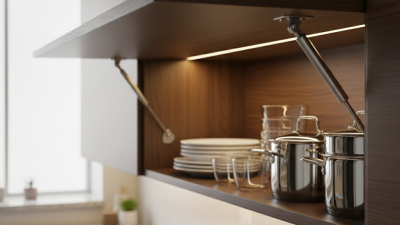
In 2026, cabinet door support types cover more than simple hinges. Gas struts support upward-opening doors and hold them at a selected angle. They suit tall wall cabinets with wide fronts. Check the door weight, width, and opening force before ordering. An oversized strut can make closing awkward.

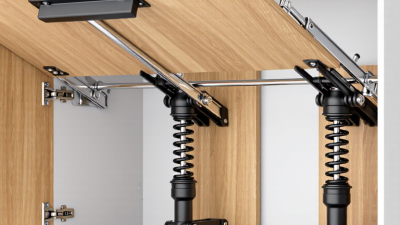
Flap stays offer controlled movement for lift-up doors. They may include friction control, soft closing, or fixed stopping angles. Folding supports work well on downward-opening doors, especially in compact kitchens and service cabinets. Sliding lid stays provide a steady opening range and help prevent sudden drops. For narrow doors, friction stays can reduce movement without requiring much installation space. Metal bodies, reinforced mounting plates, and corrosion-resistant finishes are common choices for humid rooms.

Cabinet buyers should compare load ratings with real door conditions. Glass panels, thick timber, and decorative handles change the balance. A support rated for ten kilograms may not perform well when the weight sits far from the hinge. I have seen installation drawings look correct, yet the door still drifted because the fixing screws entered weak board material. Small details matter. Pre-drilled holes, adjustable tension, and left-right compatibility can reduce fitting errors. However, adjustment ranges are not unlimited. A careful sample test remains wiser than trusting a catalogue number alone.

2026 Top Cabinet Door Support Types for Global Buyers? - Which Cabinet Door Support Types Are Available in 2026?

Support Type Typical Opening Movement Common Door Position Typical Door Material Practical Load Guidance Main Advantages Key Limitations Best-Fit Applications Global Buyer Considerations 2026 Availability
Gas Spring Lift Support Assisted upward opening Horizontal or upward-opening doors Wood, plywood, MDF, aluminum-frame and composite doors Specified by door weight, dimensions, center of gravity and desired opening angle; use matched force ratings rather than a universal value Smooth assisted lifting, compact installation and wide availability Force can decline over time; incorrect sizing may cause slamming or excessive opening force Wall cabinets, overhead storage units and upward-opening kitchen doors Confirm force in newtons, mounting geometry, temperature range and corrosion protection Widely available
Friction Stay Controlled hinged opening with adjustable resistance Side-hinged, top-hinged or bottom-hinged doors Light to medium-weight wood and framed doors Suitable capacity depends on stay size, screw fixing and door leverage Holds the door at selected positions and provides simple movement control May require periodic adjustment; friction can vary with wear and temperature Small cabinets, utility cupboards and windows-style cabinet doors Check handedness, adjustment method, fixing-hole pattern and local corrosion requirements Widely available
Telescopic Door Stay Guided opening and closing along a sliding arm Side-hinged or lift-up doors Wood, MDF, plywood and metal-frame doors Capacity is determined by stay length, door weight, mounting position and stop design Provides a defined opening angle and improved motion control Needs accurate alignment and sufficient cabinet-side clearance Medium-sized cupboard doors and storage compartments Verify extension length, maximum opening angle, mounting orientation and replacement parts Widely available
Mechanical Lift-Up Stay Assisted upward or parallel opening Upward-opening cabinet fronts Medium-weight wood, MDF, aluminum-frame and glass-frame doors Rated according to door size and weight; paired mechanisms are common for wider doors Consistent mechanical assistance without a pressurized cylinder Requires accurate installation and may occupy more internal cabinet space Kitchen wall units, furniture storage and overhead compartments Compare left/right configurations, opening angle, adjustment range and installation template Widely available
Parallel Lift-Up Mechanism Door rises while remaining broadly parallel to the cabinet face Large upward-opening fronts Wood, composite, aluminum-frame and glass-inset doors Requires a matched pair or system selected for door width, height and mass Good access to the cabinet interior and reduced door projection Higher component cost and more demanding side-panel installation Wide overhead cabinets and premium storage furniture Check minimum cabinet depth, clearance above the cabinet, synchronization and adjustment features Widely available
Bi-Fold Lift-Up Mechanism Two connected door panels fold and lift upward Large wall-cabinet openings Lightweight wood, MDF, aluminum-frame and composite panels Capacity depends on total panel weight, panel dimensions and hinge arrangement Suitable for tall or wide openings with limited clearance above the cabinet More installation steps and more adjustment points than single-panel systems Wide kitchen wall units and overhead furniture doors Confirm panel split, center hinge compatibility, minimum clearance and installation sequence Widely available
Flap Door Support Upward opening with assisted or controlled movement Horizontal flap doors Wood, MDF, plywood, aluminum and framed glass doors Select by door weight, width, height and opening angle; wide doors may require two supports Supports the door in an open position and improves user access Performance is sensitive to mounting position and door geometry Small wall cabinets, media units and overhead compartments Review opening-angle limits, cabinet-side thickness, screw type and installation symmetry Widely available
Soft-Closing Stay Controlled closing during the final part of travel Hinged or lift-up doors, depending on design Wood, MDF, plywood, aluminum-frame and composite doors Use only within the stated door-weight and door-size range; overload can reduce damping performance Reduces impact noise and helps protect cabinet doors and carcasses May not provide enough lifting assistance for heavy doors by itself Residential kitchens, bathrooms, offices and hospitality furniture Check whether the damping function is integrated or added separately, plus temperature and cycle data Widely available
Push-to-Open Door Support Push-release opening, usually with spring assistance Handleless side-hinged or lift-up doors Wood, MDF, plywood and laminate-faced panels Capacity depends on door size, spring strength and the number of push units used Creates a clean handleless appearance and supports touch-latch furniture design Requires precise door gaps and correct adjustment to prevent accidental opening Modern kitchens, wardrobes and minimalist storage furniture Confirm door-gap requirements, release stroke, magnetic compatibility and service access Widely available
Stay Hinge with Integrated Stop Hinged opening with a built-in angle stop Side-hinged doors Wood, MDF, plywood and framed cabinet doors Generally intended for light to medium doors; verify hinge load rating and screw fixing Combines door rotation and opening limitation in one component Limited adjustment compared with separate hinge-and-stay systems Compact cabinets, utility furniture and small storage doors Check overlay, inset or half-overlay compatibility, opening angle and hinge cup requirements Widely available
Counterbalance Door Support Assisted movement using a spring or counterbalance arrangement Large or heavy upward-opening doors Solid wood, thick MDF, composite and framed doors Requires calculation based on door mass, pivot position and center of gravity Can assist heavier doors where compact stays are insufficient More complex installation and greater space requirements Large storage units, architectural cabinetry and commercial furniture Request installation drawings, adjustment instructions, safety stops and replacement-spring information Available for specialist use
Electric Opening Support Powered opening and closing through an actuator or motorized system Lift-up, flap or selected hinged doors Wood, MDF, composite and aluminum-frame doors Must be selected using actuator force, door geometry, duty cycle and control-system limits Hands-free operation, accessibility support and integration with smart furniture controls Higher cost, power dependence and more installation and maintenance requirements Accessible kitchens, premium furniture, healthcare and hospitality interiors Check voltage, plug standards, control compatibility, emergency release and regional electrical compliance Growing availability

How Do Different Cabinet Door Supports Work?

Cabinet door supports control how a door opens, stays, and closes. Their working principles differ by door weight, opening angle, and installation position. Gas struts use compressed gas to push the door upward. They suit overhead doors and reduce the effort needed during opening. The door should rise steadily, not jump. Incorrect force ratings can make closing difficult.

Stay hinges limit movement with built-in friction or fixed positions. They are useful when a door must remain open at a selected angle. Lift-up supports guide the panel through an upward arc, often with a controlled stop near the top. Flap stays work differently. Their arms hold horizontal doors and transfer load toward the cabinet sides. This reduces stress on the hinges and mounting screws.

Concealed supports keep the exterior clean. They require accurate drilling and careful alignment. A few millimeters of error can cause rubbing, uneven gaps, or weak closing pressure. Spring supports provide assistance through a coiled spring, but their force may change as the door moves. In practical testing, installers should check the support with the actual door material, handle, and hardware attached. A support that feels smooth in an empty sample may behave poorly after assembly. This is an easy detail to overlook. Buyers should compare cycle testing, mounting strength, corrosion resistance, adjustment range, and replacement access. Regional cabinet sizes also vary, so one support type cannot suit every project.

2026 Top Cabinet Door Support Types for Global Buyers

Different cabinet door supports perform different functions. Concealed hinges provide controlled movement, piano hinges allow a wide opening range, lift-up stays and gas struts assist upward-opening doors, while lid stays help hold doors in a selected position. Magnetic catches retain a door in the closed position but do not support its opening movement.

Representative nominal opening angles shown for common cabinet applications. Actual performance depends on door size, mounting position, material, load, and adjustment.

How Can Buyers Compare Materials, Load Capacity, and Installation?

2026 Top Cabinet Door Support Types for Global Buyers

Cabinet door supports usually fall into four groups: gas springs, friction stays, folding stays, and concealed lid supports. Each type suits a different opening motion. Gas springs provide smooth assistance for upward doors. Friction stays hold the door at changing angles. Folding stays offer firm positioning, while concealed supports protect the cabinet’s appearance. The best choice depends on door size, opening angle, and daily use.

Material comparison needs more than a surface inspection. Zinc alloy parts often provide good rigidity and clean finishing. Stainless steel performs better in humid kitchens, bathrooms, and coastal warehouses. Standard steel can reduce cost, but its coating must resist scratches and corrosion. Aluminum is light, yet some designs may flex under repeated loads. Check hinge compatibility, pin quality, and screw-hole strength. Small details matter.

Load capacity should match the complete door, not only the panel. Measure the door’s weight, width, thickness, and center of gravity. Then select a support with a practical safety margin. A heavy glass door may create greater leverage than its weight suggests. Installation also affects performance. Follow the supplied mounting dimensions, keep both sides symmetrical, and pre-drill fragile panels carefully. Test the door through repeated opening cycles. In real projects, installation errors often cause more failures than weak materials. I have seen a support rated highly on paper perform poorly after uneven mounting. That point deserves more attention.

What Standards and Supplier Factors Should Global Buyers Check?

2026 Top Cabinet Door Support Types for Global Buyers

Choosing a cabinet door support starts with door weight, opening angle, and installation space. Lift supports suit upward-opening doors, while friction stays help hold doors at selected angles. Concealed stays create a cleaner appearance, but they demand accurate drilling and stronger installation control. Gas springs offer smooth movement, yet their force must match the actual door weight.

Global buyers should check material grade, surface treatment, corrosion resistance, and cycle-test results. Ask whether testing reflects humid kitchens, cold warehouses, or frequent commercial use. Dimensions should include mounting-hole positions, compressed length, and maximum opening angle.

A supplier should provide drawings, samples, inspection records, and clear traceability for production batches. Regional safety requirements may differ, so generic compliance claims deserve careful verification. A certificate alone is not enough.

Tips: Test the support with the real door panel, hinges, and handle. Record opening force after repeated cycles. Check loose screws, noise, and uneven movement. Confirm packaging protects small fittings during long-distance shipping. Review minimum order quantities, replacement parts, lead times, and communication speed.

A low unit price can hide extra labor or high failure rates. I have found that catalog load ratings sometimes feel optimistic. Buyers should question them. That extra check may prevent costly redesigns.