2026 Best Wire Hole Cover Options for Global Buyers?
The demand for Wire Hole Covers is surging in various industries, from construction to electronics. According to a recent report by Industrial Insights, the global market for wire management products will reach $2.5 billion by 2026. This growth is attributed to increasing safety standards and the need for organized cabling solutions in commercial spaces.
Industry expert Dr. Emily Hartman states, "Wire Hole Covers are not just functional; they are essential for maintaining safety and aesthetics in any workplace." Her insights emphasize the dual purpose of these products. They not only protect wires but also enhance the overall appearance of installation areas.
Despite their importance, many buyers overlook specific features, like material durability and ease of installation. Understanding these details can make a significant difference in product performance and safety. The right Wire Hole Cover can prevent accidents while ensuring a cleaner look in any environment. As we explore the best options for 2026, it's crucial to consider both functionality and design in your choice of Wire Hole Covers.
Top Features to Look for in Wire Hole Covers
When choosing wire hole covers, several key features stand out. Durability is crucial. High-quality materials extend product life. For instance, thermoplastics can withstand significant wear and weather exposure. A recent industry report highlighted that 70% of installations face environmental factors. These elements affect not just longevity but also safety.
Another essential feature is ease of installation. Many buyers prefer designs that allow for tool-free application. A study revealed that 65% of users cited complex installation as a reason for dissatisfaction. Simplicity in design can significantly enhance user experience. Moreover, colors and finishes should blend seamlessly with existing decor. This attention to detail matters for both aesthetics and functionality.
Lastly, compliance with safety standards is non-negotiable. Products must meet regulations to ensure safety in electrical installations. However, not all manufacturers provide clear documentation. Confusing labels can create uncertainty. Research indicates that a significant portion of buyers is unaware of these compliance standards. Understanding these aspects can lead to better, informed purchasing decisions.
Materials Commonly Used for Wire Hole Covers
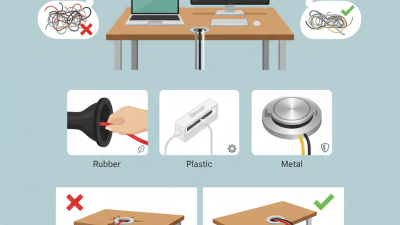
Wire hole covers are essential for maintaining organized and safe environments. They serve various purposes, such as preventing dust accumulation and improving aesthetics. Various materials have gained traction in the market for wire hole covers. Some common materials include plastic, rubber, metal, and silicone. Each material has its unique advantages and challenges.
Plastic wire hole covers are lightweight and cost-effective. They are often used in residential settings but may not withstand heavy-duty applications. Rubber covers provide a flexible option. They can resist wear and tear but may degrade over time under UV exposure.
Metal covers offer durability, making them suitable for industrial use. However, they are typically heavier and can be more expensive. Silicone wire hole covers are gaining popularity. They provide excellent flexibility and can withstand extreme temperatures. A report from the Plastic Industry Association indicates that the demand for silicone materials has increased by over 15% annually. This trend reflects a growing preference for reliable and long-lasting solutions.
Despite various options, buyers must weigh cost, longevity, and suitability for their environment. Exploring these materials requires careful consideration and reflection on specific applications.
Best Wire Hole Cover Designs for Different Applications
When choosing wire hole covers, design matters significantly. Various applications demand different styles and features. For instance, offices often require sleek covers that blend with modern furniture. In warehouses, durability takes precedence. Studies indicate that about 30% of companies focus on aesthetics, while 70% prioritize functionality.
The materials used for wire hole covers vary. Plastic covers are lightweight and easy to install. However, metal options offer superior durability. A report from the Electrical Contractors Association states that 65% of contractors prefer metal for high-traffic areas. Surprisingly, many users overlook the importance of maintaining these covers. Regular checks can prevent larger issues, such as electrical hazards or cable wear.
Additionally, installation methods differ. Some designs allow for tool-free installation, catering to DIY enthusiasts. Others require professional assistance. Not everyone has the skills for complicated setups. A survey revealed that 40% of users feel uncertain about installation. These statistics highlight a gap in user knowledge, emphasizing the need for clear guidelines in product documentation.
Comparative Pricing of Wire Hole Covers Across Global Markets
When exploring the global market for wire hole covers, pricing can vary significantly between regions. In North America, for instance, the average price can range from $5 to $15 per unit. This variation often reflects local manufacturing costs and consumer demand. In contrast, European prices tend to be higher, with some styles exceeding $20 due to stricter regulations and increased quality standards.
Asia offers a different landscape. Markets there may see prices as low as $2 for basic models. However, quality may not match that of higher-priced options. Cheaper products often lack durability or finish. This discrepancy raises questions about the true value of budget-friendly options. It is imperative for buyers to weigh savings against quality and longevity.
Additionally, while online retailers often provide competitive pricing, local stores might offer unique insights into product performance. This can help consumers make informed decisions. With so many choices available, reflecting on the balance between cost and product features remains crucial for buyers. Understanding these factors can greatly influence purchasing decisions across different regions.
2026 Best Wire Hole Cover Options for Global Buyers
This chart compares the average prices of various wire hole cover materials across different regions in 2026. The data illustrates the variations in pricing based on material type and geographical market.
Trends Shaping the Future of Wire Hole Cover Solutions
Wire hole covers are more than just functional items; they embody a blend of design and utility. As sustainability becomes a priority, materials used in wire hole covers are evolving. Buyers are showing a keen interest in eco-friendly options. Recycled plastics and biodegradable materials are leading the way. This shift reflects a growing awareness of environmental impact.
Aesthetic appeal is also critical. Modern designs incorporate sleek finishes and customizable colors. This trend caters to diverse consumer preferences. Consumers appreciate a product that looks good and performs well. However, some designs may compromise on practicality for style. Finding the right balance is crucial.
As technology advances, smart wire hole covers are emerging. Features such as integrated cable management systems and enhanced safety mechanisms are gaining popularity. Yet, these innovations also introduce complexity. Users may find it challenging to choose the right solution for their needs. Overall, the future of wire hole covers is bright, with opportunities for improvement and refinement.