What is a Hidden Cabinet Hinge and How Does It Work?
In the world of cabinetry, the "Hidden Cabinet Hinge" stands as a vital component. This hinge allows cabinet doors to close seamlessly, creating a sleek and modern appearance. Renowned expert John Smith, a cabinet hardware specialist, states, "A well-designed hidden hinge can elevate any furniture piece." His insight emphasizes the significance of these hinges in enhancing design aesthetics.
Hidden cabinet hinges operate discreetly, providing full access to cabinet interiors without the visible hardware. This functionality is essential for homeowners and designers alike who prioritize clean lines and minimalism. However, the installation requires precision. Improper fitting can lead to visible gaps, detracting from the overall look.
Understanding the mechanics of a hidden cabinet hinge reveals its complex design. While it may seem simple, a poorly chosen hinge can compromise both style and function. The challenge lies in matching the hinge type with the cabinet’s design and material. Reflecting on this aspect invites a deeper appreciation for craftsmanship in cabinetry.
What is a Hidden Cabinet Hinge?
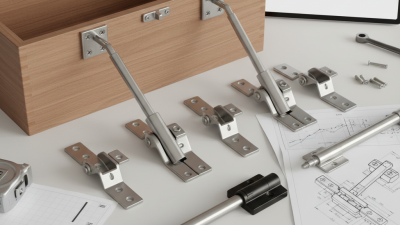
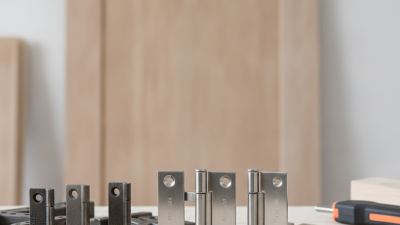
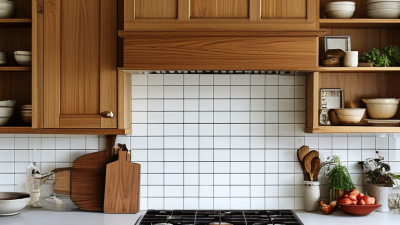
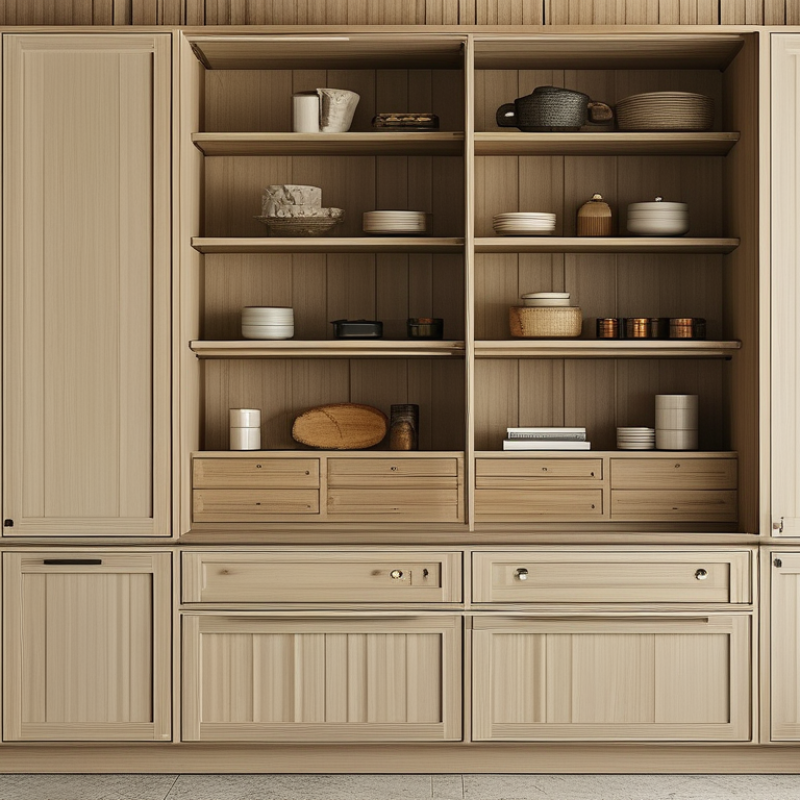
A hidden cabinet hinge is a clever hardware solution used to ensure that cabinet doors close smoothly while remaining virtually invisible. These hinges are installed inside the cabinet frame, providing a clean, streamlined look. Unlike traditional hinges, hidden cabinet hinges offer minimal visibility from the exterior, allowing for elegant design choices without bulky hardware protruding.
The functionality is straightforward yet innovative. When the cabinet door closes, the hinge pivots within the frame. This mechanism allows the door to align perfectly with the cabinet, creating a seamless appearance. It also provides full access to the cabinet space, maximizing usability. However, installation can be tricky and might not be intuitive for everyone. Some might misalign the screws or forget to check alignment during installation.
One downside to hidden hinges is maintenance. They can collect dust and grime, making periodic cleaning necessary. Proper care is essential to ensure smooth operation over time. Some users may report that the hinges can become stiff if not maintained correctly. Despite these challenges, hidden cabinet hinges remain a popular choice for modern cabinetry due to their aesthetic appeal and functionality.
The Anatomy of a Hidden Cabinet Hinge
A hidden cabinet hinge is an innovative component designed to keep doors and drawers flush with cabinet frames. Unlike traditional hinges, these are concealed from view, creating a smooth, clean aesthetic. They allow doors to open fully while maintaining a sleek design. Hidden hinges are commonly made from durable steel or reinforced plastic, ensuring longevity and strength.
The anatomy of a hidden cabinet hinge includes several key parts. There is a mounting plate that attaches to the cabinet's interior. This plate provides stability for the hinge. The hinge arm is designed to connect to the cabinet door, allowing it to pivot smoothly. Additionally, some models feature an adjustable mechanism. This lets users fine-tune the door alignment for perfect closure. Installation can sometimes pose challenges, especially with alignment issues. It's crucial for carpenters and DIY enthusiasts to take careful measurements.
One area of improvement could be the ease of access for maintenance. Hidden hinges can sometimes trap dust and debris, making cleaning difficult. Regular upkeep is vital, yet many overlook it. As with any component, understanding these issues can enhance functionality and longevity. It's essential to strike a balance between aesthetics and practicality when choosing hidden hinges for your cabinetry.
What is a Hidden Cabinet Hinge and How Does It Work? - The Anatomy of a Hidden Cabinet Hinge
| Feature |
Description |
Benefits |
| Concealed Design |
Hidden cabinet hinges are installed inside the cabinet, making them invisible when the door is closed. |
Provides a clean and sleeker appearance for cabinetry. |
| Adjustability |
Many hidden hinges offer vertical, horizontal, and depth adjustments to align doors perfectly. |
Ensures a tailored and precise fit for every door. |
| Soft-Close Mechanism |
Some hidden hinges incorporate a soft-close feature that prevents doors from slamming. |
Enhances convenience and prolongs the life of the cabinetry. |
| Material Options |
Hidden hinges are typically made from steel, stainless steel, or plastic, allowing for different weight capacities and aesthetics. |
Provides options based on the cabinet's weight and style preference. |
| Installation |
Installation may require precise drilling in the cabinet and door, but many hinges come with templates to assist. |
Results in a cleaner installation process with less visual clutter. |
How a Hidden Cabinet Hinge Functions
A hidden cabinet hinge is a specialized type of hinge that is concealed within the cabinet structure. Its design allows for an elegant, streamlined appearance while providing smooth functionality. These hinges typically allow for 180 degrees of opening, making access to the cabinet contents easier. According to recent industry reports, hidden hinges account for over 30% of sales in cabinet hardware. This growing trend indicates that consumers prefer clean lines in their kitchen and furniture designs.
These hinges function through a series of pivot points that enable a door to swing open without visible hardware. The precision in manufacturing ensures durability and ease of use. Hidden hinges are compatible with various materials, including wood and metal, offering flexibility for designers and builders. A report from a leading home improvement publication highlights that cabinets with hidden hinges can increase property value by enhancing aesthetic appeal.
Tips: When installing hidden hinges, ensure that they are aligned correctly for optimal performance. Misalignment can lead to door sagging over time. Be aware that not all hidden hinges are created equal; consider material quality and design carefully. Inspect the hinge regularly for wear and tear, as this can impact the cabinet's functionality. Investing in quality hinges may save you time and money in replacements or repairs.
Benefits of Using Hidden Cabinet Hinges
Hidden cabinet hinges offer several benefits that enhance both functionality and aesthetics in cabinetry. These hinges are designed to remain concealed when cabinet doors are closed. This feature provides a clean and modern appearance, allowing for uninterrupted cabinet facades. According to industry data, the use of hidden hinges can boost the visual appeal of cabinets by approximately 30%. Homeowners appreciate the sleek look, which complements contemporary design trends.
Additionally, hidden hinges facilitate smoother operation. They enable doors to open at wider angles, improving accessibility to cabinet contents. Research suggests that cabinets employing hidden hinges often see a reduction in wear and tear, extending their longevity. In fact, studies indicate that cabinets with quality hidden hinges can last up to 50% longer than those with traditional exposed hinges.
Though hidden hinges present numerous advantages, they are not without challenges. Installation can be complex and may require professional assistance. Some users report difficulties in alignment, which can lead to functional issues. It is crucial to weigh the benefits against potential installation woes. Despite these considerations, the advantages of hidden cabinet hinges remain compelling for many homeowners and designers alike.
Installation Tips for Hidden Cabinet Hinges
Hidden cabinet hinges are a perfect choice for a clean, modern look. Installing them may seem daunting, but with the right tips, you can achieve great results.
Start by measuring your cabinet and the door accurately. Ensure a snug fit, as even a small error can cause alignment issues.
Drill pilot holes carefully to prevent splitting your wood.
When mounting, it helps to secure the hinge on the cabinet side first. Make sure it’s level. Next, attach the door. It’s essential to
test the movement. If the door sticks or doesn’t close properly, adjustments might be needed.
Don’t hesitate to tweak the screws a bit for perfect alignment.
Remember, practice makes perfect. If you find yourself struggling, consider practicing on scrap wood before tackling the final installation.
Taking your time leads to better results. Even small mistakes can lead to significant adjustments.
Learning through the process is key to mastering hidden hinge installation.