Home hardware manufacturer 18+ years

  • Facebook
  • linkedin
  • TikTok
  • youtube
  • Twitter
Leave Your Message

How to Choose the Best Heavy Duty Hidden Hinge for Your Projects?

Choosing the right Heavy Duty Hidden Hinge is crucial for any construction project. These hinges bear significant weight and stress. According to industry reports, over 30% of door failures are linked to hinge quality. This highlights the importance of selecting durable and reliable hardware.

When assessing potential hinges, consider their material. Stainless steel options offer superior strength and corrosion resistance. On the other hand, some budget-friendly alternatives might not withstand long-term use. Understanding these differences can save time and costs in future repairs.

Installation quality also matters. A poorly installed hinge can lead to alignment issues. This can result in added strain on both the door and hinge, reducing lifespan. It’s essential to balance cost with quality. Seek expert advice when selecting your Heavy Duty Hidden Hinge to ensure you make the best choice for your project.
How to Choose the Best Heavy Duty Hidden Hinge for Your Projects?

Understanding Heavy Duty Hidden Hinges: Definitions and Uses

How to Choose the Best Heavy Duty Hidden Hinge for Your Projects?

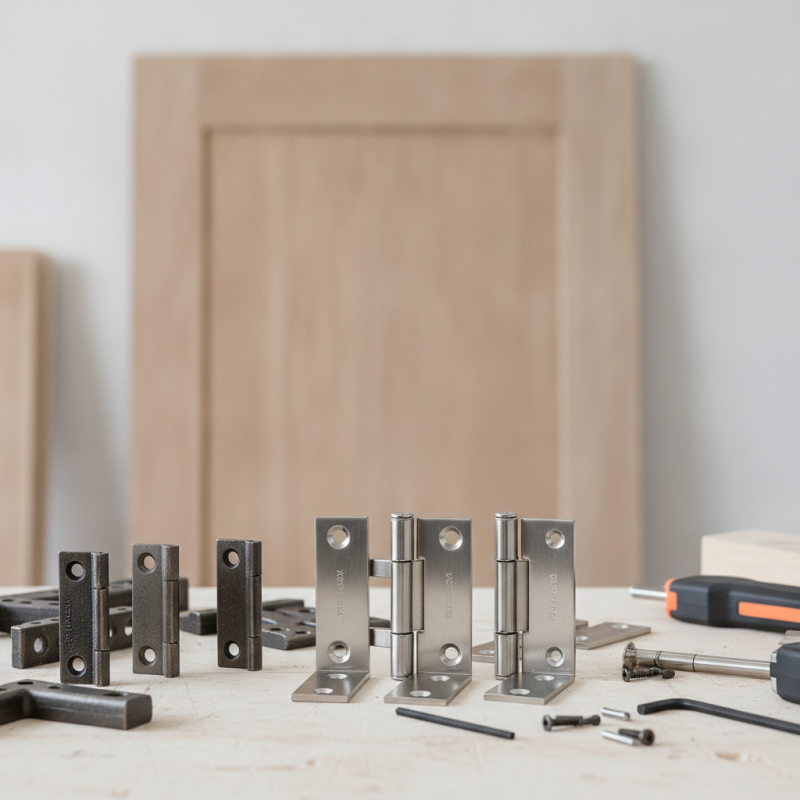
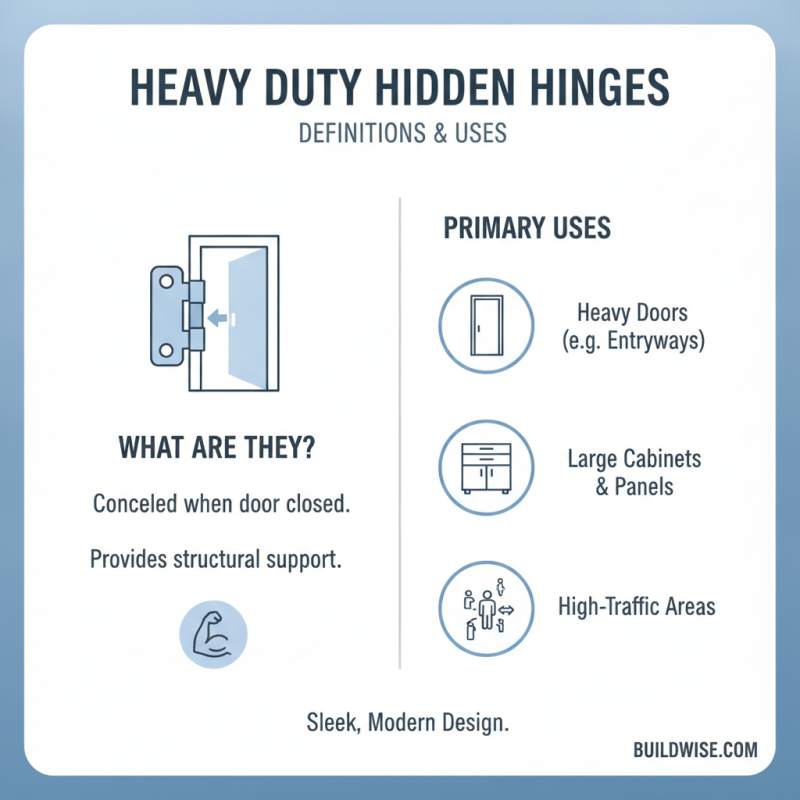
Heavy duty hidden hinges are essential in many construction and design projects. These hinges provide structural integrity and support for heavy doors and cabinet systems. They are often used in high-traffic areas due to their robustness. The primary function of these hinges is to remain concealed when the door is closed, ensuring a sleek appearance. This feature is particularly valuable in modern design, where aesthetics are as important as functionality.

When selecting heavy duty hidden hinges, consider the weight capacity and the material. Stainless steel and brass are popular choices for their durability. Proper installation is crucial; poorly installed hinges can lead to misalignment or premature wear. It's also worth noting that even high-quality hinges may require maintenance over time. Regular checks can prevent issues, but many people overlook this step.

Certain projects may demand specific designs or finishes. Customization is sometimes necessary, depending on the aesthetics of your project. While heavy duty hinges are generally reliable, they are not invincible. They can malfunction if overloaded beyond their capacity. Understanding these details will help you make informed choices. Prior planning and careful selection of hinges can ensure long-lasting performance.

Key Features to Consider When Selecting Heavy Duty Hidden Hinges

When selecting heavy duty hidden hinges, several key features should be prioritized. Load capacity is crucial. Research indicates that most heavy duty hinges can support weights from 200 to 1,000 pounds. Depending on your project needs, ensure the hinge is designed to handle the expected weight. Insufficient load capacity may lead to premature failure.

Material choice is also significant. Stainless steel and brass are common options. They offer durability and resistance to corrosion. A report from the National Association of Hardware Manufacturers highlights that corrosion-resistant materials can extend the lifespan of hinges by up to 50%. This is vital in environments subjected to moisture, ensuring longevity.

Additionally, installation style matters. Some hinges are designed for concealed installation. Others are for surface mounting. Depending on the specific application, a hidden hinge may provide a cleaner aesthetic. Being aware of your project’s requirements helps in making the right choice. Keep in mind that the perfect hinge does not exist. Each project presents unique challenges that necessitate careful consideration of features and specifications.

Key Features to Consider When Selecting Heavy Duty Hidden Hinges

Material and Durability: Choosing the Right Composition for Your Needs

How to Choose the Best Heavy Duty Hidden Hinge for Your Projects?

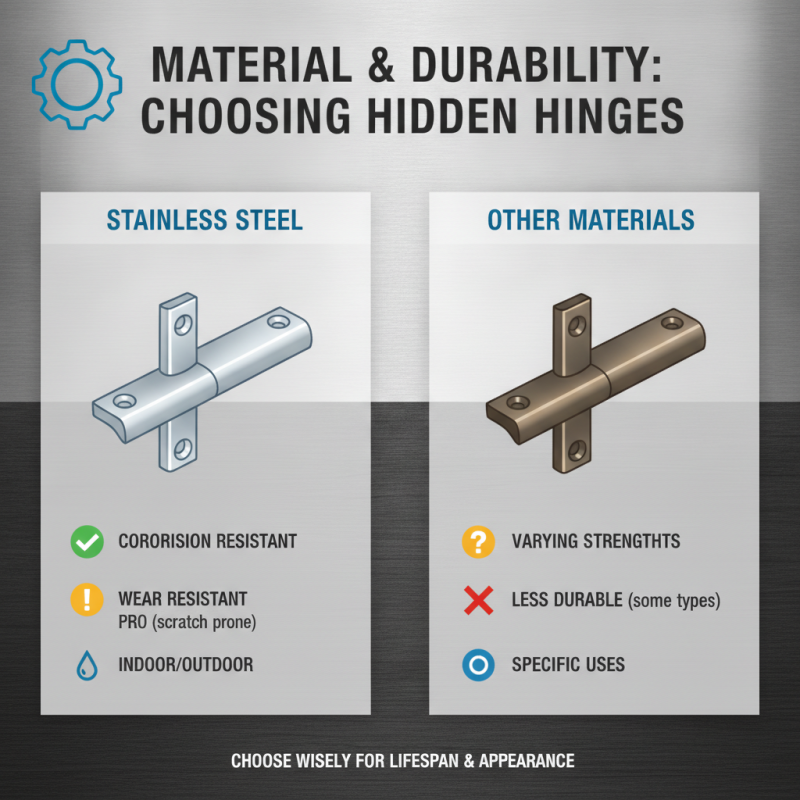
When selecting heavy-duty hidden hinges, understanding the material and durability is crucial. Different materials offer varying strengths, appearances, and lifespans. Stainless steel, for instance, provides excellent resistance to corrosion and wear. It’s a popular choice for both indoor and outdoor projects. However, some users might overlook how stainless steel can be prone to scratching.

Another option is brass, known for its classic aesthetic. While it can give a vintage feel, brass may tarnish over time. Users should consider how much maintenance they're willing to perform. Choosing a hinge involves weighing durability against appearance.

For some projects, composite materials can offer a lightweight alternative. These materials may not provide the same strength, but they can still serve specific uses effectively. Remember, no hinge is a one-size-fits-all solution. Each material has pros and cons, and recognizing these can help in making the right decision.

Weight Capacity: Evaluating Load Requirements for Your Projects

When selecting a heavy-duty hidden hinge, understanding weight capacity is crucial. Different projects come with varying load requirements. Your hinge should support the weight of the doors or panels effectively. Too low of a capacity can lead to structural failures. Assess the materials and dimensions involved in your project.

Consider factors like door size and how often it will be opened. Frequent use demands a sturdy hinge. Additionally, specific materials may require different types of hinges. It’s also essential to account for dynamic loads, which can exceed static weight limits. These moments could compromise your project.

Do not forget installation guidelines. Proper alignment and secure fastening improve the hinge performance. If the hinge installation is flawed, even a high-capacity hinge might fail. Sometimes, it’s wise to consult with experienced professionals. Their insights can help you avoid mistakes that you might overlook. Choosing the right hinge is not just about load capacity but also about ensuring it fits your unique needs.

Hinge Type Weight Capacity (lbs) Material Dimensions (inches) Application
Heavy Duty Concealed Hinge 100 Steel 4 x 2 Cabinet Doors
European Plate Hinge 75 Zinc Alloy 3 x 3 Furniture Construction
Overlay Hinge 50 Stainless Steel 4 x 2.5 Cabinets and Closets
Pivot Hinge 150 Brass 5 x 4 Entry Doors
Continuous Hinge 200 Aluminum 8 x 1 Doors and Gates

Installation Techniques: Best Practices for Secure Hinge Placement

When installing heavy-duty hidden hinges, proper placement is crucial for durability and functionality. According to the American Wood Council, using the right hinge type enhances the load capacity of a door significantly. For example, they found that correctly aligning the hinge ensures even weight distribution, minimizing wear and tear. This is key for high-traffic areas, such as commercial settings, where continuous use is common.

One effective technique involves pre-drilling pilot holes to prevent splitting. Limited data from industry experts suggests that pre-drilling can reduce installation errors by up to 30%. Properly spacing the hinges also contributes to optimal performance. It is often recommended to place the first hinge about 7” from the top of the door and the second hinge about 11” from the bottom. Testing has shown that this spacing retains door alignment during daily operation.

In real-world applications, installers sometimes overlook the importance of using level tools during hinge placement. A crooked hinge can lead to door failure, requiring costly replacements. Engaging an experienced installer can mitigate this risk. Yet, even skilled professionals can struggle with adjustments if a door frame is warped. It's critical to regularly reassess hinge placement and make necessary tweaks throughout the door's life cycle.