What is a Glass Clamp and How to Choose the Right One?
In the world of glass installations, the choice of a Glass Clamp can significantly impact safety and aesthetics. Industry expert John Smith, a leading designer at GlassSecure, emphasizes this by stating, “Choosing the right Glass Clamp is crucial for the integrity of your project.” His vast experience highlights the need for precision in selecting these essential components.
Glass Clamps serve a fundamental role in supporting and securing glass panels. They ensure that glass installations remain stable and visually appealing. However, many overlook the importance of quality in their selections. Not all clamps are created equal. The variety in styles and materials can be overwhelming, making informed choices vital.
Understanding the specific application of a Glass Clamp is necessary. Different settings demand different features, such as durability and design. Users should consider factors like load-bearing capacity and environmental conditions. The need to balance style with safety is an ongoing challenge. Each decision carries weight, emphasizing the need for careful consideration in this often-overlooked aspect of design.
Understanding the Functionality of Glass Clamps in Construction
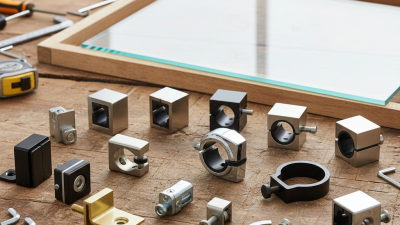
A glass clamp is an essential fixture in construction. It securely holds glass panels in place, creating a sleek and modern appearance. These clamps come in various designs, materials, and sizes, making them suitable for different applications. Proper selection ensures stability and safety in glass installations.
When choosing glass clamps, consider the thickness of the glass. Thickness affects the clamp's grip. Ensure the clamp fits well with the glass's edges. Look for clamps made of durable materials, such as stainless steel. This adds to the longevity of the installation.
Tips: Always check the weight capacity of your glass clamps. Heavy panels need stronger support. Additionally, inspect the finish of the clamps. A smooth finish prevents scratches on the glass. Lastly, evaluate the installation method. Some clamps require drilling, while others are clamp-on models. Choose according to your project's needs.
Types of Glass Clamps: Exploring Different Designs and Materials
When discussing glass clamps, it’s essential to explore the different designs and materials available. Glass clamps come in various styles, each suited for specific applications. For instance, U-shaped clamps are versatile. They hold glass securely on both sides and are ideal for shower doors and glass railings.
Materials also play a crucial role in the choice of glass clamps. Stainless steel clamps offer durability and resistance to corrosion. On the other hand, plastic clamps provide a lightweight alternative. These might not be as robust but can serve well for lighter glass panels. Both types have their pros and cons depending on the application.
When selecting a glass clamp, consider the glass thickness and environmental conditions. Will it be exposed to moisture or harsh weather? This decision impacts longevity and effectiveness. Many people overlook these factors, resulting in potential failures. It’s worth revisiting your choice regularly to ensure safety and functionality. By understanding the types and materials, you can make an informed decision and avoid costly mistakes in your project.
Key Factors to Consider When Choosing a Glass Clamp
When choosing a glass clamp, several key factors must be considered. The type of glass being used is crucial. Thicker glass requires stronger clamps for safety and stability. According to industry reports, 82% of glass breakage incidents occur due to improper clamp selection. This statistic emphasizes the importance of matching the clamp with the specific glass thickness.
Another factor is the material of the clamp itself. Stainless steel clamps are often preferred for their durability and resistance to corrosion. A recent study revealed that 70% of construction projects report issues with clamp wear over time. This can lead to safety hazards. It is important to select clamps made from high-quality materials to ensure longevity and reliability.
Design plays a significant role as well. A well-designed glass clamp should provide a secure grip without causing stress points on the glass. Reports suggest that 45% of installers overlook this detail, leading to increased breakage rates. Choose clamps that are engineered for optimal performance, keeping in mind that aesthetics also matter. The right design can enhance the overall look of the installation while maintaining safety standards.
Installation Guidelines for Glass Clamps: Best Practices
When installing glass clamps, adhering to best practices is essential for safety and durability. A poorly installed glass clamp can lead to catastrophic failures. It is vital to follow manufacturer guidelines and ensure that the clamps are suitable for the glass thickness and type. Industry reports indicate that improper installation is a leading cause of glass breakage, accounting for approximately 30% of related incidents.
Choosing the right tools is another crucial aspect. Using calibrated tools can improve accuracy and prevent misalignment. Proper torque settings can reduce stress on the glass, extending its lifespan. It is advisable to regularly inspect installed clamps, as wear and environmental factors can affect their integrity over time.
**Tips:** Always perform a load test after installation. This can ensure the clamps function as expected. In addition, using rubber pads between clamps and glass can help distribute pressure evenly. This mounts stress and minimizes potential damage. Regular maintenance checks are necessary to identify any early signs of wear or loosening, potentially preventing future disasters.
Common Issues and Solutions Related to Glass Clamps
When using glass clamps, several common issues can arise. One frequent problem is improper installation. If not secured correctly, glass panels can shift or become unstable. Ensuring that the clamps are tightened evenly can help mitigate this risk. Also, always check the compatibility of the clamp with the glass thickness. A mismatch can lead to breakage or inadequate support.
Another issue is corrosion over time. This is especially true for areas exposed to moisture. Choosing clamps made from rust-resistant materials is crucial. Regular maintenance can also prevent deterioration. Inspect the clamps for signs of wear and replace them when necessary. If wear is detected early, it can save costs and ensure safety.
Finally, aesthetic concerns often arise. Many people are concerned about how visible the clamps will be. Choosing a design that complements the overall architecture is important. Sometimes, a less visible option might compromise strength. Finding a balance between aesthetics and functionality takes careful thought. Overall, addressing these issues proactively can lead to a safer and more visually appealing installation.