Home hardware manufacturer 18+ years

  • Facebook
  • linkedin
  • TikTok
  • youtube
  • Twitter
Leave Your Message

What Are the Top 10 Shelf Support Pin Types?

A Shelf Support Pin looks small, yet it carries a critical responsibility inside cabinets, bookcases, and retail displays. In a workshop, the difference may be a cleanly seated shelf or a tilted board that slowly slips. Small parts matter. Their design affects load distribution, installation speed, shelf adjustment, and long-term stability.

The global furniture market reached approximately USD 516.66 billion in 2022, according to Grand View Research’s Furniture Market Size report. That growth reflects continued demand for storage products, modular furniture, and replacement components. The Freedonia Group’s Cabinets industry analysis also emphasizes remodeling, customization, and efficient interior storage. These trends make pin selection more important than it first appears. Fit is critical. Hole diameter, pin material, shoulder design, and stated load capacity must match the cabinet system. ANSI/KCMA A161.1 also provides a useful performance reference for kitchen cabinets, although it does not replace product-specific testing or manufacturer instructions.

This guide examines the top 10 Shelf Support Pin types used across residential, commercial, and light industrial applications. It compares common metal pins, plastic variants, locking designs, press-fit options, and specialty supports. Some categories overlap, and that is worth admitting. A pin marketed as “heavy duty” may still perform poorly when the panel, drilling pattern, or cabinet side is weak. Practical experience suggests checking the complete assembly, not just the pin. The best choice balances strength, adjustability, corrosion resistance, appearance, and installation efficiency.
What Are the Top 10 Shelf Support Pin Types?

What Are Shelf Support Pins and How Do They Work?

Shelf support pins are small fittings that hold a shelf inside a cabinet, bookcase, or closet. Each pin sits in a predrilled hole or a matching threaded opening. The shelf rests on the pins, which transfer its weight to the cabinet sides. Simple, but not effortless: uneven pin heights can make a shelf wobble or slide.

Common designs include straight pins, spoon-shaped supports, and pins with a flat or broad top. Straight pins suit many basic shelf holes. Spoon-shaped versions help steady shelves, while wider tops spread contact across the shelf edge. Locking styles add a clip or notch to reduce accidental movement. Threaded pins screw into compatible fittings. The right choice depends on hole size, shelf thickness, material, and expected load—not appearance alone.

To fit them, place supports at matching heights and push or screw them in fully. Check that each pin sits level before lowering the shelf into place. A heavy stack of books creates more strain than light linens, especially near the shelf’s center. I might be tempted to trust a pin because it feels snug, but that alone does not confirm its capacity. Inspect for bending, loose holes, or cracked particleboard, and follow the furniture maker’s load guidance when available.

The 10 Main Types of Shelf Support Pins Explained

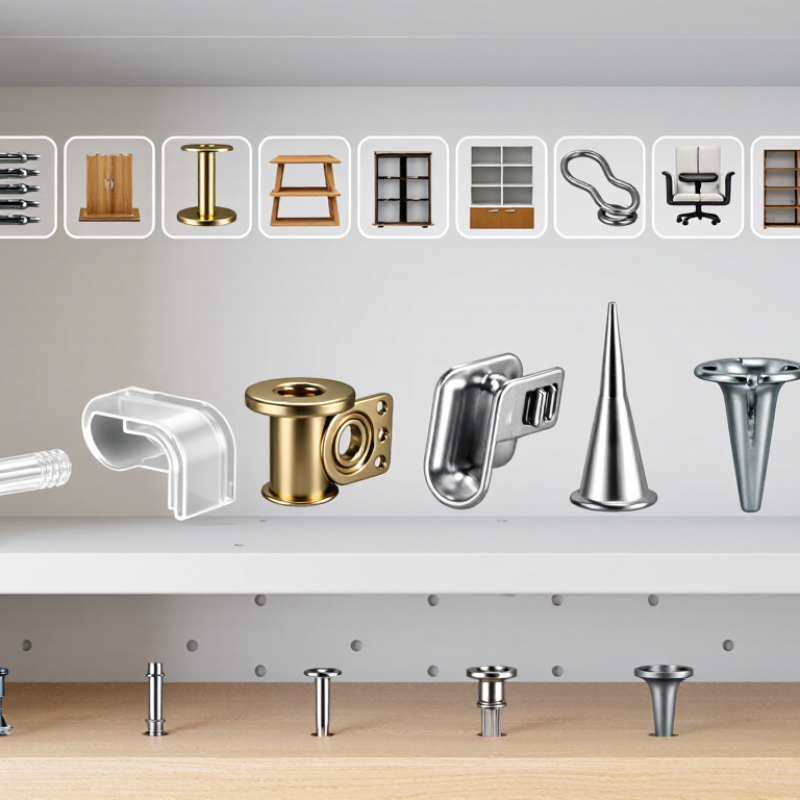
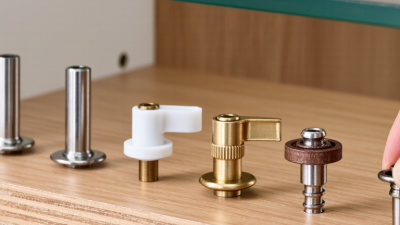
Shelf support pins look small, but their shape affects fit, adjustment, and resistance to movement. The ten main types are straight cylindrical pins, angled pins, spoon-shaped supports, L-shaped pins, locking pins, sleeve-style pins, press-fit pins, threaded pins, expandable pins, and glass-shelf supports. Straight pins suit simple drilled holes. Angled and spoon-shaped versions cradle a shelf edge, while L-shaped supports offer a wider resting surface. Locking pins help prevent accidental lift-off. Small differences matter.

Sleeve-style supports add a replaceable contact surface; press-fit pins rely on a snug hole. Threaded pins allow finer height adjustment, and expandable designs grip inside compatible openings. Glass-shelf supports commonly use a broader, softer pad to reduce concentrated contact. Still, this list is not a perfect ranking: hole diameter, panel material, shelf depth, and loading pattern all affect performance. Check the maker’s stated capacity rather than assuming pins share one rating.

The Grand View Research furniture-market report estimated global furniture sales at $736.2 billion in 2023, reflecting the scale of the sector—not a rating for shelf hardware. For technical context, ANSI/BIFMA X5.9-2019 tests storage units for structural performance; it does not assign one universal load rating to every pin. In practice, inspect the hole for wear, seat each pin fully, and test a loaded shelf carefully. A pin that feels loose deserves a second look.

What Are the Top 10 Shelf Support Pin Types? - The 10 Main Types of Shelf Support Pins Explained

Type Typical Construction How It Supports the Shelf Common Uses Key Consideration
1. Straight cylindrical pin A plain metal pin with a round shank and a small supporting head. The shank fits into a predrilled hole; the head bears against the underside of the shelf. Adjustable shelves in cabinets, bookcases, and storage units. Choose a pin diameter that matches the hole and a length that provides a secure fit.
2. Fluted or knurled pin A metal pin with ridges, grooves, or knurling along part of its shank. The textured shank helps resist slipping or rotating in a compatible hole. Cabinet shelving where a firmer pin-to-hole fit is desired. The hole size and panel material affect how securely the pin holds.
3. Spoon-shaped support pin A metal pin with a curved, spoon-like or flattened support surface. Its broader top provides a seat for the shelf and can help keep it centered. Adjustable shelves in furniture and cabinetry. Install matching supports at the same height so the shelf sits level.
4. L-shaped support pin A bent metal pin with a short horizontal arm and a vertical mounting leg. The arm supports the shelf edge while the leg fits into or attaches to the cabinet side. Cabinets and shelving systems designed for L-shaped supports. Check the arm orientation and mounting dimensions before installation.
5. Locking shelf support pin A pin with a tab, clip, or other locking feature that engages a compatible shelf or fitting. The locking feature helps limit shelf movement or accidental lifting. Cabinet installations where shelves need added restraint. Use only with compatible shelf holes or locking hardware.
6. Plastic shelf support pin A molded plastic pin, sometimes with a wider cap or locating feature. The pin fits into a drilled hole and its top supports the shelf. Light-duty furniture, modular shelving, and applications where metal contact is undesirable. Check the product’s stated load limits; plastic properties vary by design and material.
7. Glass shelf support pin with pad A metal or plastic support with a rubber, silicone, or similar protective contact surface. The padded top cushions the glass and helps reduce direct contact with hard hardware. Glass shelves in cabinets, display units, and furniture. Use supports suitable for the glass shelf and place them evenly to avoid concentrated stress.
8. Threaded shelf support stud A metal support with a threaded section designed to screw into a compatible insert or threaded hole. The threaded connection secures the support to the panel; its head or shoulder carries the shelf. Furniture and cabinetry fitted with threaded inserts or matching tapped holes. Match the thread size and installation depth to the insert.
9. Sleeve-mounted support pin A pin used with a separate sleeve or socket fitted into the cabinet panel. The sleeve lines the hole and holds the pin in position while the pin supports the shelf. Cabinet systems that use replaceable or close-fitting shelf-support sockets. Select the pin and sleeve as a compatible pair and check the required hole size.
10. Cup-style shelf support A support pin or fitting with a small cup-shaped or recessed top. The cup provides a shallow seat that helps locate the shelf or a compatible shelf component. Cabinet and display shelving designed for a seated or locating support. Confirm that the shelf edge or underside matches the cup’s shape and dimensions.

Note: Actual load capacity depends on the support design, material, panel condition, hole fit, shelf dimensions, and load distribution. Follow the hardware manufacturer’s specifications for the selected product.

How Shelf Support Pin Types Differ in Design and Function

Shelf support pins may look alike in a parts tray, but their shapes change how they carry and retain a shelf. A straight metal dowel fits a drilled hole and offers simple support. A molded plastic pin is quieter and less likely to scratch a cabinet. A metal pin with a plastic sleeve combines a firm core with a softer contact point. Small parts matter.

Spoon-shaped supports cradle the shelf edge, while L-shaped pins provide a flat ledge beneath it. Threaded screw-in pins grip prepared holes more firmly; press-fit pins install quickly but depend on a close fit. Locking pins add a tab or clip to resist accidental lifting. Angled pins can help keep a shelf from sliding forward, though their direction must match the installation. Glass-shelf pins often include a rubber pad to reduce direct contact and slipping.

The tenth style is a sleeve or bushing support, which lines the hole and helps protect softer cabinet material. These types are not interchangeable in every cabinet. Check hole diameter, shelf thickness, material, and expected load before choosing. A common workshop mistake is selecting by appearance alone. I still find that easy to overlook. A pin that fits loosely may wobble, while an oversized one can damage the hole. No single design solves every shelf problem.

How to Choose the Right Shelf Support Pin for Each Application

How to Choose the Right Shelf Support Pin for Each Application

Shelf support pins come in several forms: straight metal pins, angled pins, spoon-shaped supports, and press-in plastic pins. Threaded pins suit installations that need a firm, fixed fit, while locking pins help prevent shelves from lifting. Glass shelves usually need padded or dedicated glass supports to reduce slipping and edge damage. For heavier loads, choose a sturdy metal pin and confirm its rated capacity. A thicker pin is not automatically safer if it does not fit the cabinet holes correctly.

Match the pin to the shelf, cabinet material, and expected load. Measure the hole diameter and depth before buying, then check that each pin sits evenly. A common mistake is focusing only on pin strength; weak particleboard can still tear around a tightly fitted support. For adjustable shelves, use removable pins that allow easy repositioning. For permanent or frequently loaded shelves, threaded or locking options may offer better stability. Fit matters. Test the shelf with a modest load before adding books or dishes.

Tips: Check the load rating for the complete support system, not just one pin. Use four matching supports on a level surface, and inspect them for bending or looseness over time. If a pin wobbles, stop and check the hole size. Small fit differences can matter more than expected.

How to Install, Adjust, and Maintain Shelf Support Pins Safely

What Are the Top 10 Shelf Support Pin Types?

Shelf support pins work only when they fit the cabinet holes and the shelf thickness. Common options include straight metal pins, spoon-shaped pins, locking pins, threaded pins, press-in sleeves, and plastic supports. Before installation, check the pin’s diameter, insertion depth, and stated load capacity. A pin that looks close may still wobble in an oversized hole.

Empty the shelf and cabinet before making adjustments. Set matching pins at the same height, then lower the shelf gently onto all four supports. Check that each pin is fully seated and that the shelf does not rock. If a hole is loose or cracked, stop and repair it rather than wedging in a larger pin. That quick fix can fail later. Small detail, big difference.

For adjustable shelves, move the supports in pairs and keep the shelf level. Do not force threaded or locking pins; follow their fitting method and inspect the surrounding panel for damage. Clean pins with a dry cloth, and replace bent, corroded, or loose parts. Recheck the shelf after loading it, especially when storing heavy items near the front. I would not assume a pin is safe just because it held yesterday; wood and hardware can shift over time.