What is Cabinet Door Support and How to Choose the Best?
Choosing the right Cabinet Door Support can significantly impact your cabinetry's functionality and aesthetics. According to Jason Lee, a renowned expert in cabinetry design, "The right support can enhance both usability and style." This highlights the importance of understanding the various options available in the market.
Cabinet Door Supports come in different materials, sizes, and mechanisms. Each option serves specific needs. Choosing the best support requires considering door weight, style, and usage frequency. For instance, heavier doors require robust supports to prevent sagging.
However, selecting the right support can sometimes feel overwhelming. Many homeowners might overlook crucial details. Investing time in research can lead to better decisions. Experts advise consulting professionals for tailored recommendations. Balancing aesthetic appeal with practical function is key when selecting Cabinet Door Support.
Understanding Cabinet Door Support Components and Their Functions
When considering cabinet door support, understanding its components is crucial. The most common types are hinges and soft-close systems. Hinges provide the main function of allowing doors to swing open and closed. They come in various designs, including concealed and pivot hinges. Each type has a unique mechanism that influences the door's movement.
Soft-close systems are increasingly popular for a seamless experience. They use hydraulic mechanisms to slow down the door as it closes. This feature prevents slamming and reduces wear over time. However, improper installation can lead to issues. Some users report that their doors stick or do not close properly.
When choosing cabinet door support, consider weight and size. Heavier doors require sturdier hinges to function effectively. Additionally, the style should match your cabinet aesthetics. It’s essential to balance functionality with visual appeal. Users often learn through trial and error, reflecting on what worked in previous projects.
Factors to Consider When Choosing Cabinet Door Supports
When selecting cabinet door supports, several factors must be considered to ensure they fit your needs. The material used is crucial. Wood supports may provide a classic design but lack the strength of metal options. According to a recent study from the Furniture and Cabinetry Manufacturers Association, metal supports have an average load capacity that exceeds wood by up to 30%. This makes them ideal for heavier cabinetry.
Another important aspect is the adjustability of the supports. Adjustable features allow for customization in various installations. A report from the National Kitchen and Bath Association highlighted that 78% of homeowners prefer adjustable supports for their flexibility. This preference indicates a shift toward user-friendly designs that accommodate diverse cabinet styles.
Installation ease is often overlooked. Complexity can lead to improper fitting and safety issues. An analysis of cabinet projects found that 20% of DIY installations resulted in failures due to inadequate support. Ensuring proper guidance during installation is vital. Matching the weight and size of your cabinet doors with the right support is critical, and it should not be underestimated. So, careful planning is essential during selection.
Different Types of Cabinet Door Supports Available on the Market
When selecting cabinet door supports, understanding the different types available is essential. There are primarily three styles:
hinge-mounted,
lift-up, and
sliding supports.
Hinge-mounted supports are commonly seen in traditional designs. They allow doors to swing open easily. However, they may not provide adequate support for heavier doors.
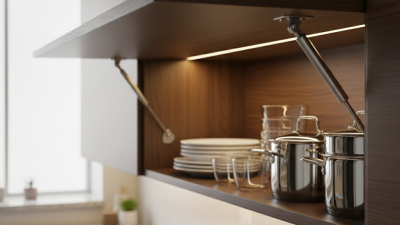
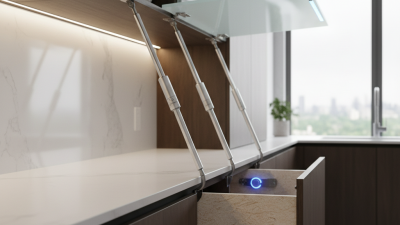
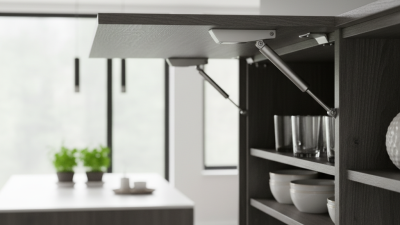
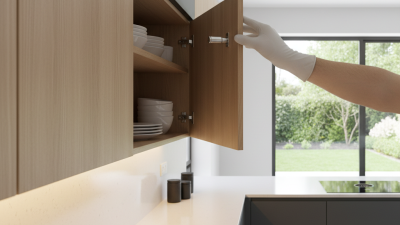
Lift-up supports are designed for modern cabinets. They enable doors to lift straight up, providing easy access to contents. This style is ideal for upper cabinets, especially in kitchens. However, installation can be tricky. Some homeowners may struggle with finding the right angle for proper function.
Sliding supports are less common but offer unique benefits. They let doors slide open sideways, saving space in tight areas. This can be useful in small kitchens or bathrooms. But, they may require more maintenance to ensure smooth operation.
Evaluating your specific needs will help you make the right choice. It’s essential to balance aesthetics and functionality.
Installation Tips for Cabinet Door Supports
When installing cabinet door supports, attention to detail is critical. Research from the Kitchen and Bath Association indicates that proper installation can enhance cabinet durability by up to 30%. Start by assessing the weight of your cabinet doors. Heavier doors require supports that can withstand additional strain. Standard supports can typically hold between 20 to 50 pounds, depending on the materials and design. Always opt for quality components to ensure a long-lasting fit.
Next, consider placement carefully. Align supports within the frame for maximum stability. Use a level to ensure that your cabinet doors close properly without gaps. Failure to position supports accurately can lead to misalignment. This might result in wear over time, especially with frequent use. It's not uncommon to see doors sag or become loose if not secured correctly.
Finally, don’t hesitate to consult installation guides or seek professional advice. This can prevent puzzling mistakes. Many DIY enthusiasts overlook the importance of following manufacturer specifications, which can lead to complications later. Utilizing precise measurements and following best practices can lead to a flawless finish. A credible installation can ultimately save you money and time.
Common Issues and Solutions for Cabinet Door Support Systems
Cabinet door support systems play a vital role in ensuring functionality and aesthetic appeal in kitchen and storage spaces. Common issues can include sagging doors, misalignment, and lack of support in heavy cabinet applications. According to a study by the Kitchen & Bath Association, more than 30% of homeowners reported dissatisfaction with cabinet durability due to inadequate support systems. This underscores the need for selecting appropriate support mechanisms.
One prevalent solution involves using hydraulic hinges that provide enhanced stability. When installed correctly, these hinges can support heavier doors while preventing them from swinging open too far. However, even top-tier hinges can malfunction under extreme weight or poor installation. A report by the American Wood Council indicates that improperly mounted cabinet doors can lead to significant wear over time, prompting users to rethink their support choices.
Another concern involves dated support structures that fail to accommodate modern cabinet designs. Many DIYers face challenges when retrofitting older cabinets with newer materials. A survey from the National Kitchen & Bath Association revealed that 45% of remodelers experienced issues with outdated hardware compatibility. This highlights the importance of conducting a thorough assessment before making upgrades.
What is Cabinet Door Support and How to Choose the Best? - Common Issues and Solutions for Cabinet Door Support Systems
| Issue |
Description |
Common Solutions |
Best Practices |
| Sagging Doors |
Cabinet doors that do not stay closed or hang unevenly. |
Install additional hinges or replace existing ones. |
Use high-quality hinges designed for weight support. |
| Door Misalignment |
Doors are not aligned properly, causing gaps or difficult closure. |
Adjust hinge screws or cabinet frame. |
Regularly check and adjust alignments as necessary. |
| Loose Hardware |
Hinges or handles become loose over time, leading to instability. |
Tighten screws or replace worn hardware. |
Use thread-locking adhesive for screws. |
| Damaged Doors |
Physical damage such as dents or scratches on cabinet doors. |
Repair or replace damaged doors. |
Choose durable materials and finishes. |
| Noise When Opening/Closing |
Cabinet doors make squeaking or grinding noises during use. |
Lubricate hinges regularly. |
Use a silicone-based lubricant to avoid attracting dust. |