What Is the Best Overhead Cabinet Door Support in 2026?
The best overhead cabinet door support in 2026 is not automatically the strongest or most expensive option. It is the fitting that holds your door securely, moves predictably, and suits the cabinet’s dimensions. A lift-up door above a countertop should open without dropping suddenly or blocking your reach. Small details matter.
This guide compares common choices, including gas struts, stay-open hinges, and adjustable lid supports. It looks at door weight, width, opening angle, mounting space, and how often the cabinet is used. A support that works well on a lightweight bathroom door may feel weak on a broad, solid-wood panel. Check the maker’s load range and installation instructions before buying; door weight alone may not tell the whole story. Fasteners and cabinet construction matter, too. Check the opening clearance, especially when nearby walls, lighting, or backsplash trim limit the door’s travel.
There is no perfect fit for every kitchen. That part can be frustrating. In practice, measuring the door and checking the hinge position often prevent more trouble than choosing a product by its rating alone. We’ll explain what to compare, what can go wrong, and which Overhead Cabinet Door Support features are worth prioritizing in 2026. Treat product claims as a starting point, not proof of long-term performance. The right choice should feel controlled in daily use, stay aligned, and match the cabinet—not merely look sturdy in a listing.
What an Overhead Cabinet Door Support Does
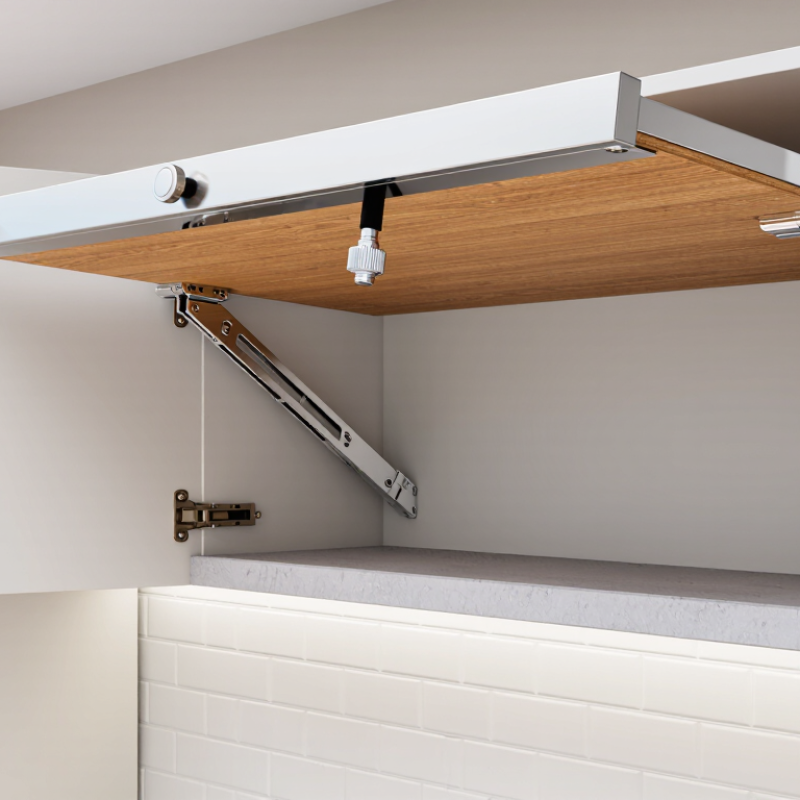
An overhead cabinet door support carries part of a raised door’s weight and controls how it moves. Depending on its design, it may hold the door open, slow its descent, or help it lift with less effort. This keeps the panel from dropping unexpectedly while someone reaches for a cup or bowl. Some supports use gas pressure; others rely on friction or spring-loaded arms. The right type depends on door size, weight, opening angle, and installation position. Small details matter.
Houzz’s 2024 U.S. Kitchen Trends Study reports that 87% of renovating homeowners upgraded their cabinets. That figure describes cabinet upgrades, not support failures, but it shows how often hardware choices accompany kitchen work. A new door can weigh more than the old one, especially with a thicker panel or added glass. A support that is too weak may let it drift downward; one that is too strong can make closing awkward. Neither is ideal. Before choosing, check the hardware maker’s load range against the finished door’s weight and dimensions. Also inspect the hinges and mounting points. A support cannot correct loose screws or a misaligned door. In practice, measuring the actual door is easy to overlook. It shouldn’t be.
The Main Types of Overhead Cabinet Door Supports
What Is the Best Overhead Cabinet Door Support in 2026?
The Main Types of Overhead Cabinet Door Supports
The right support depends on the door’s weight, size, opening angle, and cabinet layout. A lift-up mechanism keeps the door raised, while a stay controls how far it opens. In practice, even a few millimeters of misalignment can make a door feel stiff. Check the hardware’s load rating and installation instructions before choosing.
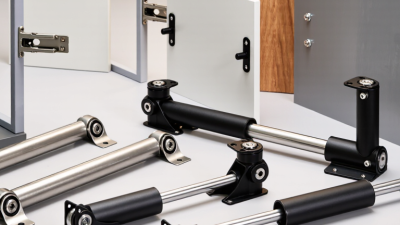
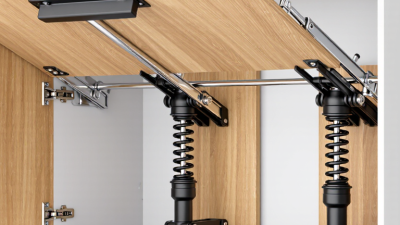
Gas-spring supports help lift heavier doors and hold them open. They suit wide fronts, but their force must match the door’s weight. Friction stays offer controlled movement without a powered lift. They work well on smaller doors, though repeated use may loosen their hold. Flap stays are simpler and can limit a door’s opening angle. Spring-assisted lifts provide extra upward help, but need careful adjustment.
The NKBA’s 2024 Kitchen Trends Report draws on input from more than 500 kitchen and bath professionals, reflecting the field’s attention to practical storage and usability. For homeowners, that means choosing support based on the actual cabinet, not just a product category. Measure the door and confirm its opening path. One detail is easy to overlook: nearby lights or tall objects can block a fully raised door. That trade-off matters.
How Support Mechanisms Differ in Strength and Motion
Overhead cabinet supports differ in both lifting force and the way they guide a door.
Gas struts provide smooth, assisted motion when their force rating matches the door’s weight and mounting position. A correctly sized pair can keep a panel open without demanding much effort. Too much force, however, may make the door rise abruptly or resist closing.
Friction stays offer a simpler feel. They can hold a door at several angles, but their resistance may change as joints wear or screws loosen. Spring hinges use stored tension in a compact space; their motion can feel less gradual. Multi-link arms guide the door along a defined path and may help it clear nearby walls.
Feel the difference. It matters most in a tight kitchen.
Strength alone is not a useful selection rule. Door width, material, hinge location, and the support’s mounting geometry all affect performance. Check whether the stated capacity applies to one support or a pair. Then test the door slowly: it should open without a sudden drop and close without slamming. A force chart can still mislead when the cabinet dimensions differ from the test setup. That detail is easy to overlook. Even a well-matched mechanism may need adjustment after installation.
Installation, Adjustment, and Safety Considerations in 2026
Choosing the best overhead cabinet door support in 2026 starts with the door, not the hardware label. Measure its width, height, and weight, then check how far it must open. A compact flap may suit a friction stay, while a heavier door may need a matched pair of lift supports. Check the support’s load range and mounting diagram before buying; door material and hinge position affect performance. There is no universal best fit.
Installation deserves care. Empty the cabinet and support the door with a helper or a stable prop before removing existing hardware. Mark both mounting points from the supplied measurements, and fasten into the cabinet’s structural sides or frame, not just a thin decorative panel. Small errors matter. Keep fingers clear of the hinge line, and use eye protection when drilling. I have seen a slightly crooked mount make a door drift sideways; it is easy to overlook until daily use.
Adjust one side or setting at a time, following the support maker’s instructions. Open and close the door slowly through its full travel, checking for rubbing, sudden drops, loose screws, or uneven gaps. Retighten only as directed, and replace damaged fasteners rather than forcing them. Never assume a door is safe because it stays open once. Recheck the fittings after several days, especially on heavy doors or cabinets used often. A second check is sensible. If the door still falls or binds, stop using it until the cause is corrected.