Why Choose the Right Cabinet Door Support for Your Needs?
Choosing the right Cabinet Door Support is essential for both functionality and aesthetics. Poorly selected supports can lead to frequent malfunctions. It’s crucial to pick a product that fits your cabinetry style and usage. Quality cabinet door support improves the longevity of your cabinets, ensuring they operate smoothly.
There are various options available. Each type has unique benefits and drawbacks. Some supports may offer stability but lack style. Others may be visually appealing but not sturdy. Assessing your needs is vital. You should consider the weight and size of your cabinet doors. This can prevent complaints later on.
Customizing your choices may take time. However, it pays off in the long run. Proper support can enhance both the usability and appearance of your cabinets. Explore the options carefully. Rushing might lead to subpar decisions that affect your entire kitchen or storage area. Understanding your specific requirements is the key to finding the best cabinet door support.
Understanding the Importance of Cabinet Door Supports in Home Design
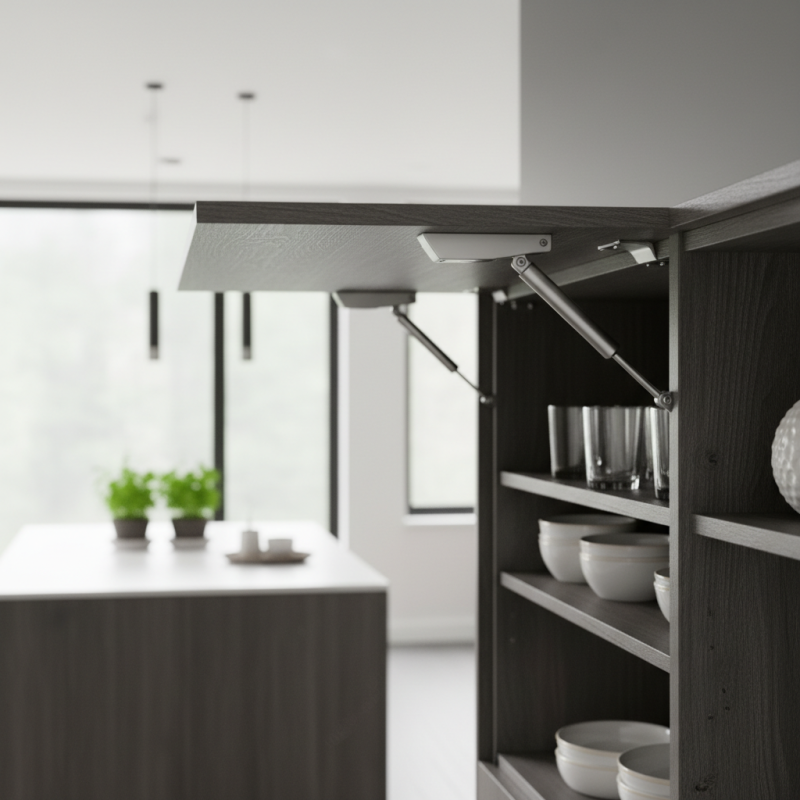
Cabinet door supports are crucial in home design. They impact both
functionality and aesthetics. A well-chosen support can enhance the
durability of cabinet doors. It keeps them stable and reduces wear over time. Many homeowners overlook this detail,
yet it plays a vital role in everyday use.
Consider the weight of your cabinet doors. Heavier doors require
stronger supports. Wood, glass, or metal all behave differently and need tailored solutions. Misjudging this can lead
to doors sagging or, worse, detaching. This often results in costly repairs and potential safety hazards.
Balancing style with functionality is challenging. Supports shouldn't compromise the overall look. In many cases, they
are hidden from view, which might lead to unnecessary choices. Improper selection can
affect the cabinet's longevity. Reflecting on these aspects can lead to better decisions. Make sure your choices align
with your home’s design and practical needs.
Types of Cabinet Door Supports: An Overview of Available Options
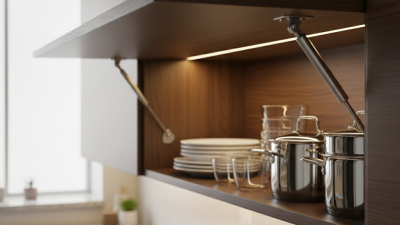
Choosing the right cabinet door support can enhance the functionality and aesthetics of your space. Various types exist to cater to different needs. Many professionals recommend using concealed hinges for a clean look, as they remain hidden when the door is closed. According to a recent report from the Kitchen Cabinet Manufacturers Association, nearly 70% of homeowners prefer this option for modern cabinets.
Another popular choice is adjustable shelving supports, allowing flexibility in configurability. Research shows that over 55% of designers opt for these due to their ease of use. However, choosing the wrong type may lead to frustration. For example, not all supports can handle heavy doors, which could result in sagging or damage over time.
Lastly, soft-close mechanisms are gaining traction for their ability to prevent slamming. Data indicates a significant rise in demand for these features, with nearly 80% of new cabinets incorporating them. However, they can be more costly, sparking debate over whether the investment is worth it. Balancing your budget and needs remains essential when selecting cabinet door supports.
Why Choose the Right Cabinet Door Support for Your Needs?
| Type of Support |
Material |
Weight Capacity |
Adjustability |
Typical Use |
| Hinged Support |
Steel |
Up to 50 lbs |
Fixed |
Standard cabinetry |
| Lift-Up Support |
Aluminum |
Up to 40 lbs |
Adjustable |
Upper cabinets |
| Folding Support |
Plastic/Metal |
Up to 30 lbs |
Fixed |
Compact spaces |
| Pneumatic Support |
Steel |
Up to 60 lbs |
Adjustable |
Heavy-duty applications |
Factors to Consider When Choosing Cabinet Door Supports for Your Needs
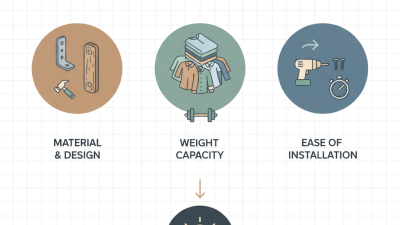
Choosing the right cabinet door support is crucial for any kitchen or storage space. When considering your options, think about the weight of the doors. Heavier doors require stronger support systems. This means that the material and design of the support must be robust enough to handle the load. Look into different types of hinges and supports, like soft-close mechanisms or adjustable systems.
Another important factor is the style of your cabinets. The support should blend seamlessly with the overall aesthetic. Consider finishes and colors that complement your cabinetry. Do not overlook the installation process either. Some supports may be easy to install, while others could require professional help. Poor installation can lead to future issues, like misaligned doors or even structural damage.
Lastly, think about your long-term needs. Will you be replacing cabinet doors in the future? If so, choose versatile support systems that can adapt to changes. Reflect on the durability of the materials as well. Some options may seem cost-effective at first but could fail sooner than expected. Invest time in research and consider all your unique needs before making a decision.
Comparing Durability and Strength of Different Cabinet Door Support Types
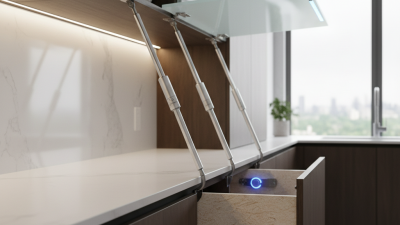
When selecting cabinet door supports, durability and strength are crucial factors. Various types of supports, such as hinges, soft-close mechanisms, and heavy-duty stay lifts, offer different strength levels. For instance, soft-close hinges are designed for smooth operation but may not bear as much weight as their heavy-duty counterparts. Understanding your cabinet's intended use helps you make a more informed choice.
Consider the materials of each support type. Metal hinges often provide superior strength compared to plastic ones. However, plastic options may be lighter and resistant to rust. Assessing the expected load on the doors is essential. If you frequently access heavy items, investing in stronger metal supports can enhance their lifespan. Many people overlook this aspect, leading to issues like sagging doors or poor functionality over time.
It's important to evaluate the installation process too. Some supports are easier to install, while others may require professional help. Misalignment is a common error that can weaken the overall structure. Be prepared to adjust and test the supports properly. Balancing durability and practicality will lead to a better cabinet experience. Choose wisely and ensure your cabinet functions well over time.
Installation Tips for Ensuring Proper Functionality of Cabinet Door Supports
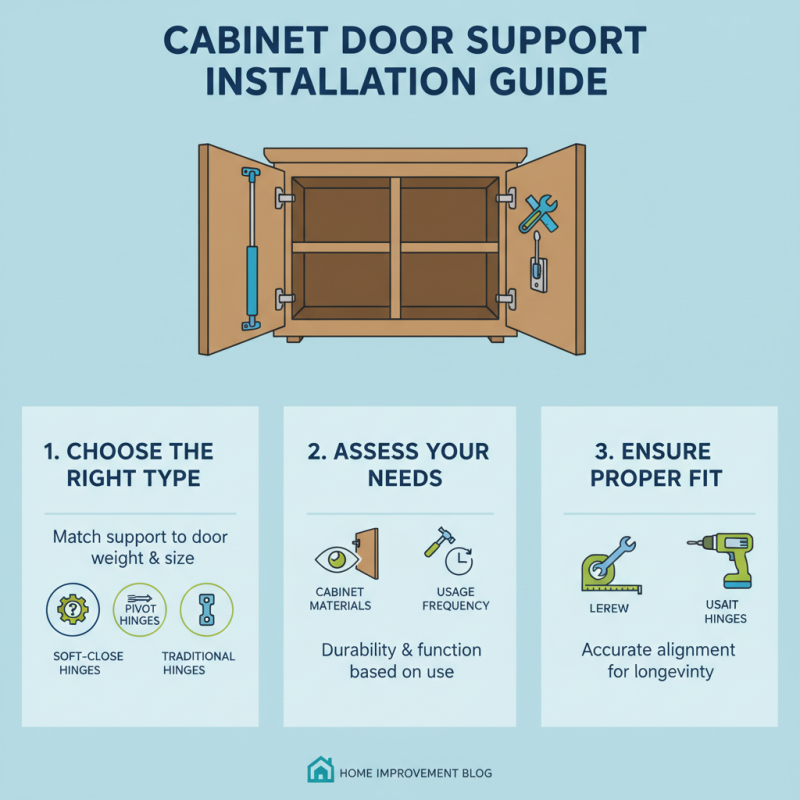
When installing cabinet door supports, careful attention is essential. Begin by selecting the right support style for your cabinet's weight and size. There are various types available, such as soft-close, pivot hinges, or traditional hinges. Each option has its unique benefits and drawbacks. Assess your cabinet’s materials and frequent usage to make a knowledgeable decision.
Leveling the cabinet is crucial during installation. Use a level tool to ensure the cabinet aligns perfectly with the wall. Misalignment can lead to improper door operation and uneven gaps. Tighten screws adequately, but avoid over-tightening, which can damage the wood. Checking the door’s opening and closing is vital. Adjustments are often necessary to achieve a smooth function. Sometimes, a bit of trial and error is part of the process.
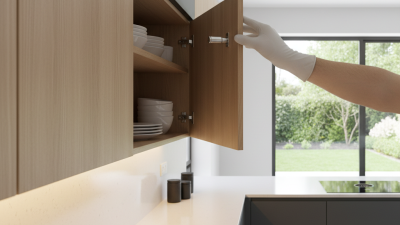
Take a moment to assess the final installation. Open and close the doors gently. Listen for any unusual noises. If the doors stick or snag, revisit your adjustments. Even professionals encounter challenges during installation. Reflect on what worked and what didn't to improve your skills for future projects. Each installation offers learning opportunities that can enhance your technique.