Essential Closet Rod Support Tips for Optimal Space Usage?
When it comes to maximizing space in your closet, understanding closet rod support is crucial. Expert designer Sarah Thompson emphasizes, "A well-supported rod can transform any closet." Proper closet rod support ensures your clothing is not only organized but also easy to access.
Often, the most overlooked aspect of closet organization is inadequate rod support. Weak or improperly installed supports can lead to sagging, damaging your clothes over time. Investing in sturdy supports can enhance the longevity of your wardrobe. Consider adjustable supports to accommodate different heights and settings, as flexibility is key in closet design.
Additionally, it’s vital to regularly assess your closet rod support. Many ignore signs of wear, waiting until it becomes a problem. This can lead to frustration and clutter. Prioritizing quality over quantity in your closet rod support choices can significantly impact your storage efficiency. It's about creating a practical space that meets your needs and adapts to changes.
Understanding the Importance of Closet Rod Support in Space Management
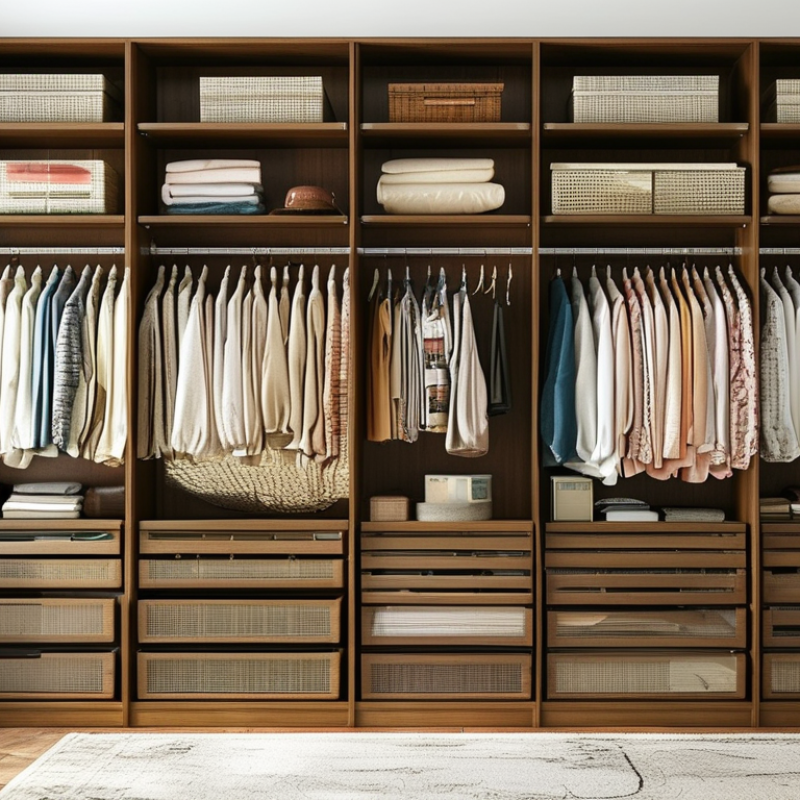
When it comes to closet organization, the role of support systems is often underestimated. A sturdy closet rod is essential for managing space effectively. The right support can prevent sagging. This ensures clothes hang freely without cramming.
Optimal space management relies on understanding weight distribution. A robust support system allows for creative layouts. You can utilize vertical space better. This flexibility encourages you to store a variety of clothing types. Yet, many overlook the importance of securing the rod properly.
Improper installation can lead to frustrating collapses. Rods may not hold heavy garments well. This not only wastes valuable space but also creates a cluttered look. Investing in proper support may seem trivial, but its impact is significant. Take time to evaluate your current rod supports. Even small adjustments can greatly enhance storage efficiency.
Choosing the Right Type of Closet Rod for Your Needs
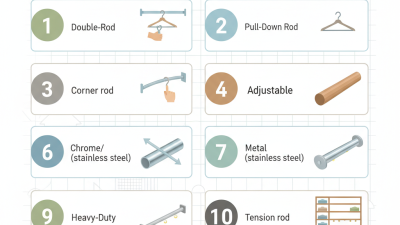
When choosing the right type of closet rod, consider your storage needs and lifestyle. A sturdy rod can handle heavy garments, while a lightweight option may suffice for lighter items. Think about the materials available. Wood adds elegance, but metal offers durability. If you have limited space, adjustable rods can maximize your closet efficiency.
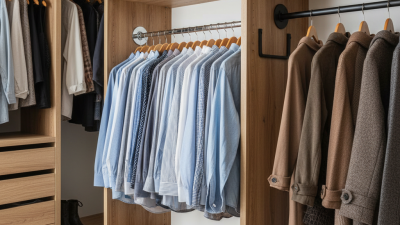
Tips for selecting the best rod include measuring your closet dimensions carefully. A clear plan will prevent frustrations during installation. Think about rod height too; it should be convenient for reaching all items easily. Consider using a double rod system if you have ample vertical space. This setup can effectively differentiate between seasons or types of clothing.
Reflect on how often you access certain items. If some clothes remain untouched for months, perhaps they can be stored elsewhere. Building your closet system should balance aesthetics and utility. A well-organized closet can enhance your daily routine and bring a sense of order to your space. Think creatively about your storage solutions.
Optimal Placement Strategies for Closet Rods to Maximize Space
When optimizing closet space, strategic rod placement is crucial. According to a report by the National Closet Group, poorly placed rods can waste up to 30% of available space. To maximize functionality, consider mounting rods at varying heights. A high rod works well for longer garments, while a lower one accommodates shorter items. This technique enhances visibility and accessibility.
Think about the zoning effect. Divide the closet into sections: formal wear, casual clothing, and accessories. Placing rods in these specific areas can streamline your morning routine. For instance, a mid-rod height of 60 inches is ideal for shirts and blouses. A low rod at around 42 inches can house skirts and pants.
Take measurements before installation. Inadequate spacing can lead to overcrowding. The International Closet Association recommends leaving at least 12 inches between shelves and rods. This gap prevents wrinkles and keeps items organized. Reflecting on your layout periodically can help adapt to changing storage needs.
Installation Tips for Secure and Efficient Closet Rod Support
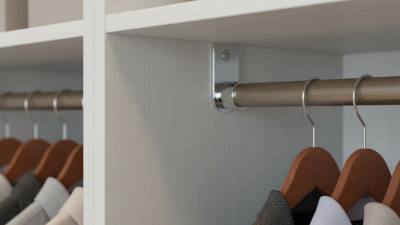
When installing closet rod supports, ensuring stability is crucial. Research indicates that improperly mounted rods can sag under weight, leading to damage. The ideal height for a closet rod is generally 60 inches from the ground. This allows for ample hanging space. Proper spacing is also key. Place supports no more than 32 inches apart to prevent drooping.
Use high-quality materials for the supports. Metal brackets tend to offer more durability compared to plastic. While wood rods might look appealing, they can warp over time. A survey of storage experts found that 70% of closet installations fail due to inadequate support. It’s vital to assess the weight of clothing and organize accordingly.
Don’t ignore wall types. Drywall requires anchors for secure attachment. Hollow walls present unique challenges. Installing additional blocking might be necessary for heavy loads. Always double-check measurements before drilling. Mistakes happen; a misplaced hole can compromise strength. Regularly review your closet setup to adapt to changing needs. Optimal installation provides both functionality and peace of mind.
Essential Closet Rod Support: Space Optimization Insights
Maintenance and Adjustment Practices for Lasting Closet Storage Solutions
Proper maintenance and adjustment of closet rod supports can dramatically enhance storage efficiency. According to a study by the American Closet Association, about 70% of homeowners struggle with optimal closet organization due to inadequate rod support. Using adjustable brackets allows customization to fit various garment types. Ensuring that the rods are level can prevent sagging and prolong the lifespan of your closet system.
Regular inspection of rod supports is crucial. Wood rods may expand and contract with humidity changes. Metal rods can corrode or bend over time. Homeowners should regularly check for signs of wear. Jotting down these observations can help reinforce a maintenance schedule. Keeping a checklist of adjustments can serve as a useful reminder.
Another key tip involves load distribution. Research indicates that uneven weight can stress the rod and the supports. This often leads to misalignment. It's recommended to distribute heavy items evenly along the rod. Considerations like height and depth alignment can also improve space utility. These fundamental practices contribute to a more durable and flexible closet system for everyday use.