Top Quality Cabinet Door Struts for Global Buyers?
In the competitive field of cabinet hardware, choosing the right cabinet door struts is crucial for functionality and durability. As noted by industry expert John Marshall, “Quality struts define the performance and longevity of cabinet doors.” Modern buyers seek solutions that not only support weight but also enhance ease of use and aesthetic appeal.
Cabinet door struts must withstand daily wear and tear. A reliable strut ensures doors open smoothly and securely, addressing a common user concern. When sourcing struts globally, it’s vital to consider both material quality and design compatibility. Struts that fail to meet these standards can lead to customer dissatisfaction and increased replacement costs.
While many manufacturers promise high quality, not all deliver on that promise. The variety in strut designs and materials makes it easy to feel overwhelmed. Buyers must invest time in research to make informed choices. In this ever-evolving market, prioritizing reliable sources and proven expertise is essential for ensuring that the selected cabinet door struts meet both functionality and aesthetic expectations.

Understanding Cabinet Door Struts and Their Importance
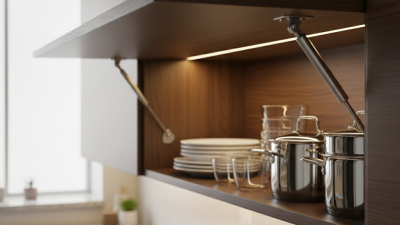
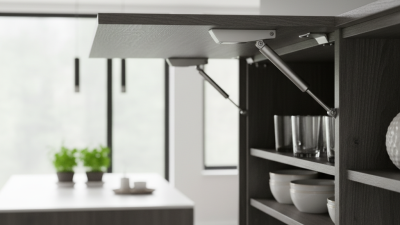
Cabinet door struts play a crucial role in modern cabinetry. These mechanical devices provide support and stabilization, allowing cabinet doors to stay open at various angles. According to a report by the Cabinet Hardware Association, nearly 80% of homeowners believe that functional cabinet hardware significantly enhances their kitchen experience. Struts ensure safety and convenience, especially in busy kitchens.
The importance of cabinet door struts extends beyond simple functionality. They can improve accessibility and streamline workflow in the kitchen. A 2022 study indicated that cabinets equipped with gas struts are 35% more user-friendly than those without. This emphasizes the necessity of high-quality struts for optimal cabinet performance.
While many buyers seek the best quality, it’s essential to consider the selection process. Not all struts are created equal; variations in material and design can impact reliability. Many manufacturers do not provide sufficient information about load capacity, leaving buyers uncertain. This gap calls for a more informed approach by consumers when selecting their struts. Knowledge and caution in choice can significantly enhance cabinet utility and longevity.
Top Quality Cabinet Door Struts for Global Buyers
| Strut Type |
Material |
Maximum Load (lbs) |
Adjustment Range (inches) |
Color Options |
| Gas Strut |
Steel |
80 |
10-20 |
Black, Silver |
| Pneumatic Strut |
Aluminum |
100 |
12-24 |
White, Gray |
| Spring Strut |
Stainless Steel |
60 |
8-18 |
Bronze, Black |
| Hydraulic Strut |
Steel |
120 |
15-30 |
Black, Gold |
Key Features to Consider When Choosing Cabinet Door Struts
When selecting cabinet door struts, several key features should be considered to ensure optimal functionality and durability. One essential aspect is the weight capacity of the struts. According to industry reports, the average strut supports between 10 to 50 pounds. It's crucial to match the strut's capacity with the cabinet's door weight for secure operation.
Another important consideration is the material used in the struts. Metal struts generally offer better longevity compared to plastic counterparts. This durability can impact the overall lifespan of your cabinetry. Additionally, the strut's compression and extension power should be evaluated. Effective struts should provide smooth operation without sticking or jamming, maintaining a seamless user experience.
**Tips:** Always measure the door size and weight before purchasing struts. Inspecting quality indicators, such as spring tension, can help in making informed decisions. Be cautious with installation; improper fitting may lead to mechanical failure. Regular checks and maintenance can extend the life of your struts, ensuring that they continue to function reliably over time.
Top Quality Cabinet Door Struts for Global Buyers
Top Brands Offering High-Quality Cabinet Door Struts Globally
When selecting cabinet door struts, buyers need to make informed decisions. A variety of top brands are available globally, known for their reliability and performance. These brands offer durable struts designed to ensure smooth operation and longevity. They cater to diverse needs with options for different styles and functionalities.
Consider the weight of your cabinet doors. This is crucial for choosing the right strut. Not all struts are created equal; some may provide insufficient support. Buyers should also assess the materials used. Quality struts are generally made from sturdy metals or reinforced plastics. These materials tend to withstand daily wear and tear better.
Tips: Always double-check weight limits before making a purchase. Look for detailed specifications to ensure compatibility. Research customer reviews for insights on real-life performance. Selecting high-quality cabinet door struts is essential, but buyers should be cautious. Recognizing the signs of wear can help avoid future issues. Quality control matters immensely in achieving lasting results.
Installation Tips for Maximizing Performance of Cabinet Door Struts
When installing cabinet door struts, attention to detail is key. Begin by selecting the right strut for your cabinets. The strut must match the weight and size of the doors. Underestimating this can lead to poor performance. Ensure you’re considering the material of your cabinets as well. Lightweight cabinets may not require heavy-duty struts.
Before installation, gather your tools. A level, screwdriver, and measuring tape are essential. Many tend to overlook precise measurements. Misalignments can cause strain on the struts, leading to premature failure. Take your time with this step. It’s worth the effort to double-check your dimensions.
Install the struts at the recommended angles. Many manuals provide guidance on this. Ignoring these specifics can affect the door's functionality. If the doors still swing unevenly after installation, review your work. A slight adjustment in angle or placement can make a significant difference. Overlooking these aspects can lead to frustration later on, but they are vital for optimal performance.
Trends in Cabinet Door Strut Technology for Modern Buyers
Cabinet door struts play a crucial role in modern kitchen and furniture design. Recent industry reports indicate that the global market for cabinet door struts is projected to grow at a rate of 6.8% annually. This highlights a rising demand, driven by consumer preferences for convenience and functionality. Struts have evolved from simple mechanisms to advanced designs that enhance usability and aesthetic appeal.
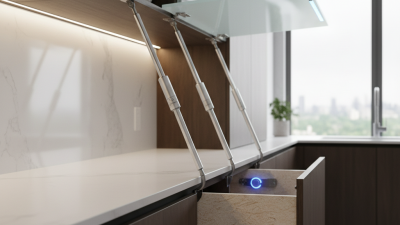
Technological advancements are evident. Gas spring struts are now popular for their smooth operation and durability. They can support heavier cabinet doors while ensuring ease of use. Research from the Furniture and Interiors Association shows a shift toward quieter mechanisms. Silent-close features are becoming standard, improving user experience. However, not all struts meet these advancements. Some low-cost options still rely on outdated materials, raising concerns about quality and longevity.
Modern buyers are also interested in eco-friendly materials. With sustainability as a priority, manufacturers must adapt. Some reports suggest that recycled materials can reduce production costs. Yet, the challenge remains to maintain the structural integrity of these components. It is essential to balance innovation with reliability to meet rising consumer expectations.