Top 10 Closet Rod Bracket Types for Global Buyers
For global buyers, selecting a Closet Rod Bracket is not a minor hardware decision. It affects load safety, wardrobe appearance, installation speed, and long-term maintenance. A crowded retail display may hide differences in steel thickness, screw alignment, and corrosion resistance. This guide examines ten common types, including fixed side brackets, adjustable models, center supports, and flange-mounted designs. Each type suits a different cabinet layout, rod length, and purchasing priority. Small details matter.
A reliable comparison should begin with real use conditions. Measure the closet width, identify the wall material, and estimate the clothing load. A short aluminum rod in a dry bedroom needs different support from a long steel rod in a humid dressing room. We also consider finish quality, mounting holes, replacement availability, packaging, and supplier communication. These factors help buyers compare products beyond catalog photographs. In practice, not every specification is equally clear. Some listings omit tested load data or use broad terms such as “heavy duty.” That uncertainty deserves attention, not polite assumptions.
The discussion draws on hardware selection experience, installation principles, and practical sourcing considerations. It does not treat one bracket as universally superior. A budget bracket may perform well in a light-use closet, yet fail when spacing is excessive. Even an attractive finish can disappoint if screws strip or the base flexes. Expect trade-offs. By comparing structure, materials, capacity, and installation demands, international buyers can choose with greater confidence. The goal is a dependable Closet Rod Bracket decision, not merely a lower unit price.
What Closet Rod Brackets Are and How They Support Storage Systems
Top 10 Closet Rod Bracket Types for Global Buyers
What Closet Rod Brackets Are and How They Support Storage Systems
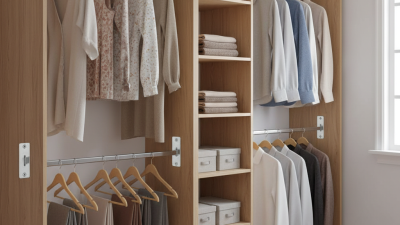
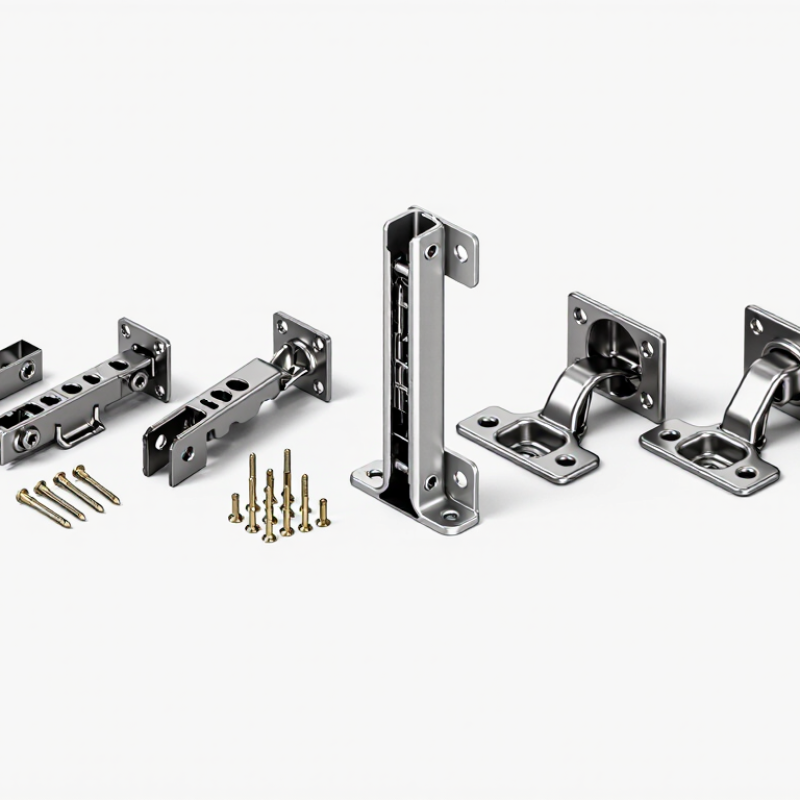
Closet rod brackets are small structural fittings with a demanding job. They transfer clothing weight from the rod to a wall, panel, or ceiling. Common types include side-mount, center-support, adjustable, recessed, and ceiling-mounted brackets. Each suits a different layout. A side-mount bracket works well in a narrow wardrobe. A center support prevents long rods from sagging.
It is easy to overlook.
Grand View Research estimated the global home organization products market above US$12 billion in 2023. The report also indicates steady growth through 2030. This trend increases demand for compact, modular storage hardware. Meanwhile, the U.S. Bureau of Labor Statistics reported that housing consumed 33.4% of average annual household expenditure in 2023. Durable closet components can help protect that investment. However, a low-cost bracket may fail when the wall substrate is weak.
Professional selection begins with load testing, not appearance. Check the bracket’s rated capacity, rod diameter, screw pattern, and material thickness. Steel brackets suit heavier garments and frequent use. Aluminum reduces weight but may need stronger geometry. Plastic can perform well in light-duty systems, though heat and impact deserve attention. I have seen installations fail because fasteners entered drywall alone. That mistake is avoidable. Use suitable anchors or attach directly to studs and cabinet panels.
A perfect bracket does not exist; the correct match depends on load, span, moisture, and installation accuracy.
How Closet Rod Brackets Are Classified by Design, Mounting, and Materials
Top 10 Closet Rod Bracket Types for Global Buyers
Closet rod brackets are best classified by design, mounting method, and material. Common designs include end-support brackets, center supports, shelf-and-rod brackets, foldable brackets, concealed brackets, and adjustable models. End supports suit short wardrobes, while center supports reduce rod deflection across wider openings. Shelf-and-rod units combine storage functions but need stronger wall anchors. Foldable designs save space in compact rooms. Concealed brackets create a cleaner appearance, although installation errors become less forgiving.
Mounting changes performance. Side-mounted brackets attach to cabinet panels or sidewalls. Rear-mounted versions fix directly to the back wall, requiring accurate drilling. Ceiling-mounted brackets work well in open dressing areas. Surface-mounted models are simpler for renovation projects. Material selection also matters. Steel offers high stiffness and resists bending under repeated loading. The World Steel Association reported approximately 1.85 billion tonnes of crude steel production in 2023, supporting its broad availability. Aluminum is lighter and naturally corrosion-resistant; the International Aluminium Institute recorded about 70.6 million tonnes of primary aluminum production in 2023. Plastic brackets remain useful for light-duty applications, but heat and long-term creep deserve attention. A perfect classification does not exist. Real walls, uneven shelves, and inconsistent fasteners can change the result. Always check the bracket’s rated load, rod diameter, screw type, and substrate before purchase.
Top 10 Closet Rod Bracket Types for Global Buyers
How closet rod brackets are classified by design, mounting, and materials
The chart compares typical rated load capacity per pair under evenly distributed loading. Wall-mounted, ceiling-mounted, flanged, and heavy-duty steel brackets generally support higher loads, while pull-down and telescopic systems prioritize space efficiency and adjustability. Actual capacity depends on material thickness, fasteners, wall structure, span, and installation quality.
Ten Common Closet Rod Bracket Types Used in Global Markets
Top 10 Closet Rod Bracket Types for Global Buyers
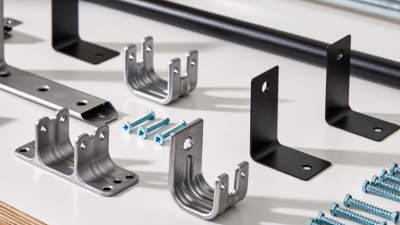
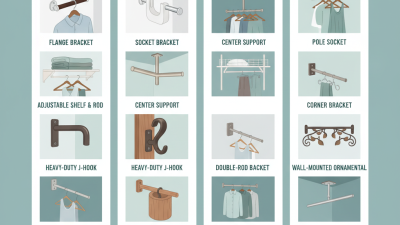
Ten common closet rod bracket types serve different room sizes, loads, and installation habits. The main options include fixed flange, open socket, concealed, adjustable, wall-to-wall, side-mount, ceiling-mount, center-support, shelf-and-rod, and heavy-duty double-rod brackets. Fixed flange models suit basic wardrobes. Open sockets allow fast rod removal. Concealed brackets create cleaner lines. Adjustable brackets help when wall spacing changes. Wall-to-wall types use both side walls, while side-mount designs fit narrow cabinets. Ceiling-mount brackets work well in open storage zones. Center supports reduce rod deflection across long spans. Shelf-and-rod brackets combine storage functions. Heavy-duty double-rod versions increase hanging capacity.
These choices reflect wider storage demand. Grand View Research has reported continued growth in the global home organization market, supported by smaller urban homes and renovation activity. The Freedonia Group also identifies closet storage as a steady hardware category, although regional construction cycles differ. In practical testing, steel brackets usually handle repeated loading better than thin zinc products. Yet material alone is not enough. Screw length, wall substrate, rod diameter, and center spacing matter more than many buyers expect. A strong bracket can still fail on weak plasterboard.
Tips: Match the bracket to the wall first. Use a center support near long spans. Check stated load data, not visual thickness. Leave clearance for hangers and doors. Samples are worth the cost. I have seen attractive designs become awkward in daily use. Product selection should be reviewed after installation conditions are confirmed.
How to Compare Load Capacity, Dimensions, Finishes, and Compatibility
Choosing closet rod brackets globally requires more than comparing attractive photos. Load capacity, dimensions, finish, and rod compatibility must work together. A bracket rated for 30 kilograms may fail when the load is concentrated near one end. I recommend testing the complete assembly, including screws, wall anchors, rod, and shelf.
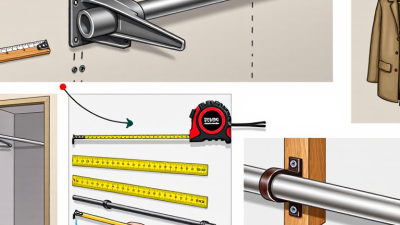
Use the rod diameter as the starting point. Common sizes include 25, 28, and 32 millimeters, but tolerances vary between suppliers. Measure the internal bracket opening, not only the advertised diameter. A practical clearance of 0.5–1 millimeter can prevent binding. For long wardrobes, center supports reduce bending. A 1.5-meter rod can behave very differently from a 0.8-meter rod.
Finish selection also needs evidence.
The World Steel Association reported 1.89 billion tonnes of crude steel production in 2023, showing steel’s continuing industrial importance. However, steel quality alone does not guarantee corrosion resistance. Ask for coating adhesion results under ASTM D3359 and salt-spray testing under ISO 9227. These tests help compare painted, plated, and powder-coated surfaces. They do not perfectly reproduce every bathroom or coastal environment. That limitation matters. I would also request dimensional drawings, tested load conditions, screw recommendations, and compatibility notes for oval or telescopic rods. Some catalogs omit these details. That is a warning sign.
What Global Buyers Should Check Before Sourcing Closet Rod Brackets
Top 10 Closet Rod Bracket Types for Global Buyers
Closet rod brackets include fixed, adjustable, side-mount, center-support, wall-to-wall, flange, socket, folding, oval, and heavy-duty designs. Each type serves a different installation condition. Before sourcing, confirm rod diameter, bracket depth, mounting holes, and required load capacity. A bracket that fits one cabinet may fail in another.
Material deserves careful checking. Steel provides strength, while aluminum reduces weight and may resist moisture better. Ask for material specifications, coating details, salt-spray results, and load-test records. Finish quality should remain even around screw holes and welded areas. In sourcing work, a polished sample can still hide weak threads or uneven plating. This is easy to miss. Request production samples, not only showroom samples. Check carton strength, inner protection, labeling, and moisture control for international transport. Also compare tolerances across several batches. One perfect sample proves very little.
Tips: Measure the actual rod and cabinet before requesting quotations. Confirm whether screws are included and suitable for the target wall material. Ask suppliers for inspection photos, test methods, and replacement procedures. Keep a signed specification sheet. Small changes can create installation problems later. Do not rely only on the lowest price; thinner metal, poor packaging, or unstable finishes may increase total cost. Recheck assumptions before approving mass production.