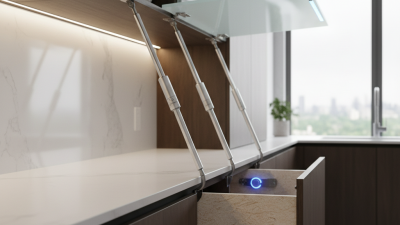
Why Choose Cabinet Door Shocks for Your Home Upgrade?
Upgrading your home often involves making smart choices that enhance both functionality and aesthetics. One such improvement is the integration of Cabinet Door Shocks. According to a report by the National Kitchen and Bath Association, 65% of homeowners prioritize ease of use and safety when selecting kitchen upgrades. Cabinet Door Shocks cater to these needs by providing a smooth, controlled closing motion, minimizing the risk of injuries and damage.
Moreover, a recent study from the American Institute of Architects highlighted that modern homeowners prefer features that enhance the longevity of their investments. Cabinet Door Shocks achieve this by reducing wear and tear on cabinet hinges, ultimately prolonging the lifespan of your cabinetry. However, despite their benefits, some may overlook these essential components in favor of other flashy upgrades. Ignoring the impact of Cabinet Door Shocks can result in an unfortunate compromise on daily convenience.
Emphasizing both effectiveness and design, Cabinet Door Shocks are worth considering. They reflect a balance of innovation and usability. When it comes to home upgrades, thoughtful choices matter. Prioritize features that align with your lifestyle, and don’t underestimate the significance of these small yet impactful additions.

Benefits of Installing Cabinet Door Shocks in Your Home
Cabinet door shocks are a smart choice for any home upgrade. They enhance functionality and durability. These devices gently close cabinet doors, reducing slamming. This simple addition protects your dishes and reduces noise. The result is a more peaceful home environment.
Installation of cabinet door shocks brings various benefits. They promote safety, especially in homes with young children. Without shocks, cabinet doors can swing open suddenly. This poses a risk of injury. Furthermore, they support longevity. Over time, constant slamming can damage hinges and frames. With shocks, you can extend the life of your cabinets while keeping them looking new.
Adding these features also improves daily convenience. No one likes to deal with noisy cabinets. Shocks provide a smooth, controlled motion. This little change can drastically improve your kitchen experience. However, successful installation requires attention to detail. Misalignment can lead to ineffective function. It's essential to follow instructions carefully for the best results.
How Cabinet Door Shocks Enhance Safety and Convenience
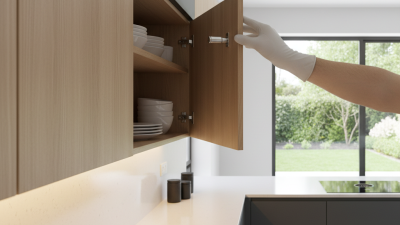
Cabinet door shocks are an excellent addition to modern homes, enhancing both safety and convenience. These devices dampen the motion of cabinet doors, preventing them from slamming shut. This feature is particularly useful in homes with small children or elderly residents who may be more susceptible to injury. The soft-close mechanism significantly reduces the risk of pinched fingers and unexpected door movement.
In addition to safety benefits, cabinet door shocks improve the overall user experience. They allow for a smoother, quieter opening and closing of doors. This change can make a significant difference in everyday routines. You no longer have to contend with noisy slamming, which disrupts the peaceful atmosphere of your home. However, it’s crucial to ensure the installation is done correctly; improper setup can lead to functionality issues.
Ultimately, integrating cabinet door shocks into your cabinetry combines safety and ease of use. However, some users may notice the mechanisms occasionally malfunction. Regular maintenance can help avoid this. Observing how these devices operate in your space can provide valuable insights. After all, the goal is a safer and more convenient home.
Comparing Different Types of Cabinet Door Shocks Available
In recent years, homeowners have shown increased interest in cabinet door shocks. These devices enhance the functionality of cabinets by providing soft close mechanisms. They create a quieter environment and protect cabinet materials from damage over time. According to industry reports, approximately 75% of homeowners prefer soft-close systems for their overall durability and user-friendly features.
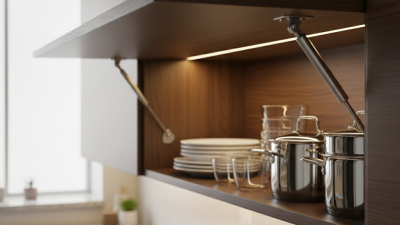
When choosing cabinet door shocks, there are several options available. Hydraulic shocks offer a smooth and controlled motion. They are effective but may require regular maintenance. Pneumatic shocks, on the other hand, provide a gentle close but may not be as durable as their hydraulic counterparts. A recent survey indicated that 65% of users favor hydraulic systems for their longevity and reliability.
Tip: When selecting cabinet door shocks, consider the weight and size of your doors. Ensure that the chosen shock type can support these dimensions effectively. Some users have reported difficulties in installation, suggesting that professional help could be necessary for optimal performance.
It's essential to weigh the pros and cons of each type. While many love the convenience and quiet operation, others find installation challenging. Always check user reviews and specifications before making a choice. Some homeowners have switched from pneumatic to hydraulic shocks due to inconsistent performance, highlighting the importance of research.
Installation Process for Cabinet Door Shocks: A Step-by-Step Guide
Installing cabinet door shocks can elevate your kitchen's functionality. This guide walks you through the installation process step by step. Start by gathering your tools. You will need a drill, screwdriver, measuring tape, and pencil. These items are essential for a smooth installation.
Begin by measuring the cabinet doors. Mark where the shocks will attach. Precision is crucial; inaccurate measurements can lead to misalignment. Make sure to position the shocks at equal heights on each door. Then, drill pilot holes for the screws. This prevents the wood from splintering. Attach the shocks using the screws, but don't overtighten them. This could damage your cabinet material.
Next, test the door's movement. Open and close the cabinet to feel the difference. The shocks should provide a gentle close without slamming. If the movement isn’t smooth, reassess the installation. You might need to adjust the shock positions or check for obstructions. Be patient; refinement is part of the process. Proper installation not only enhances safety but also prolongs the life of your cabinets.
Why Choose Cabinet Door Shocks for Your Home Upgrade? - Installation Process for Cabinet Door Shocks: A Step-by-Step Guide
| Step |
Action |
Tools Needed |
Time Estimate |
| 1 |
Remove Existing Cabinet Doors |
Screwdriver, Hammer |
15 minutes |
| 2 |
Install Cabinet Door Shocks |
Drill, Level |
20 minutes |
| 3 |
Reattach Cabinet Doors |
Screwdriver |
15 minutes |
| 4 |
Test Door Operation |
None |
5 minutes |
| 5 |
Adjust as Necessary |
Screwdriver |
10 minutes |
Factors to Consider When Choosing the Right Cabinet Door Shocks
When upgrading your kitchen, selecting the right cabinet door shocks is crucial for functionality and aesthetics. Quality cabinet door shocks offer a cushioned close, reducing noise and wear over time. Industry reports indicate that around 70% of homeowners prefer soft-close mechanisms in their kitchens. This acceptance shows a growing trend toward enhancing comfort and convenience in living spaces.
Consider the weight of your cabinet doors when choosing shocks. Heavier doors require robust mechanisms. For example, a 1.1 kg door needs a shock that can handle at least 10% more than its weight for optimal performance. Ensure that the design complements your cabinets, as mismatched styles can detract from their beauty.
Tip: Always measure your cabinet door dimensions accurately before purchase.
Reflect on the installation process as well. Some systems are complex, while others offer straightforward installation with minimal tools. Researching the ease of installation could save you time and frustration.
Tip: Choose systems that come with clear instructions or online tutorials.
Also, prioritize durability and material quality. Shocks made from high-quality materials can last longer and withstand frequent use. Consulting a professional or reading expert reviews can guide you in making informed decisions.