Top Cabinet Door Support Solutions for Global Buyers?
In the world of furniture design, the importance of reliable Cabinet Door Support cannot be overstated. As homeowners and manufacturers seek durable solutions, the demand for high-quality support options continues to grow. A well-supported cabinet door can enhance functionality while ensuring safety.
Different markets require varying approaches to Cabinet Door Support. Buyers need to consider factors such as weight capacity, style compatibility, and installation ease. The right solution can transform a simple cabinet into a functional piece of art. Yet, many products fall short of expectations, leading to frustrations in both design and usability.
Investing in quality Cabinet Door Support can prevent future headaches. Buyers must navigate a sea of options, each claiming superior durability or performance. It’s essential to rely on trusted brands and user reviews. Often, consumers overlook potential issues and end up with subpar choices. Reflecting on this, informed buying decisions can lead to successful long-term use.
Understanding the Importance of Cabinet Door Support in Design
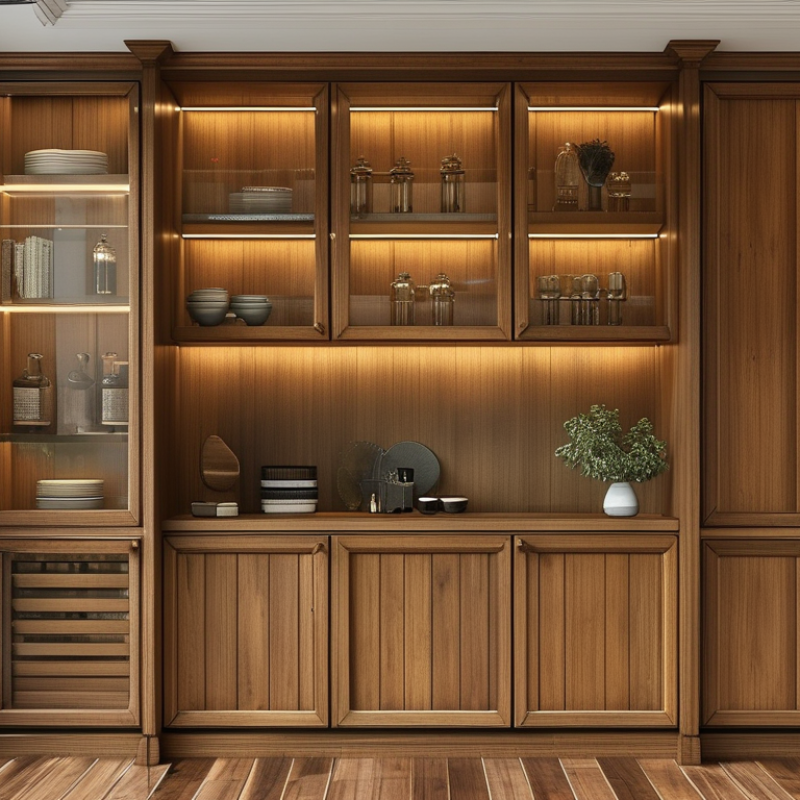
Cabinet door support plays a crucial role in both functionality and aesthetics. Well-supported doors ensure easy access and durability. They enhance the overall design of cabinets, making spaces more intuitive. Proper support systems prevent sagging or misalignment, which can lead to frustrating issues. This is important in kitchens and living areas, where cabinets are frequently used.
When selecting support solutions, consider the weight of the doors. Heavy doors require more robust support systems. Materials used in hinges and mounts contribute significantly to longevity. Look for options that offer easy adjustments. This allows for alignment corrections over time, ensuring a perfect fit.
Pay attention to the cabinet design. Consider how the support solutions blend with the style. Minimalist designs benefit from hidden support systems, while traditional styles may showcase decorative hardware. Always test the movement. A smooth closure enhances the user experience and reduces wear over time. Regular maintenance of hinges can improve performance. Each aspect plays a role in creating functional and beautiful cabinetry.
Types of Cabinet Door Support Solutions Available in the Market
Cabinet door support solutions are essential in both residential and commercial settings. With a growing market, there are various types available. According to a recent industry report, the demand for high-quality support systems has surged by 15% over the past five years. This indicates a shift towards durability and functionality in kitchen and storage designs.
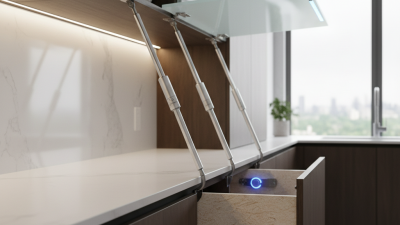
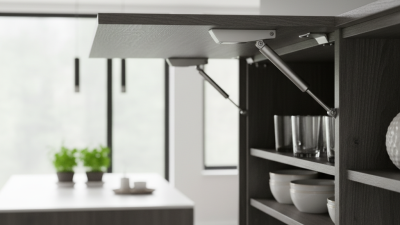
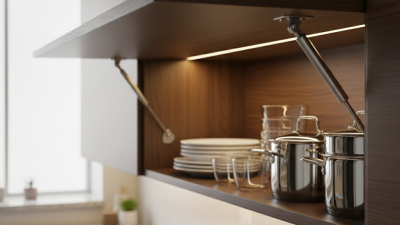
The most common types include hinges, lift systems, and soft-close mechanisms. Hinges provide basic functionality, often allowing for easy access. Lift systems, on the other hand, help maximize space, especially in compact areas. Buyers increasingly prefer soft-close mechanisms for their quiet operation and reduced wear on cabinetry. These solutions enhance user experience by offering a seamless and elegant touch.
Tip: When selecting a support system, consider the weight and size of your cabinet doors. It’s crucial to match supports to door specifications for stability.
While the choices are vast, not all products guarantee longevity. Research indicates that about 30% of purchasers encounter issues with wear over time. This calls for mindful selection and a focus on reputable suppliers. Buyers should be aware that not every solution performs as expected under varying conditions.
Tip: Test functionality before the final purchase to avoid disappointment. Always prioritize solutions that align with both aesthetic and practical needs.
Key Features to Consider When Choosing Cabinet Door Supports
When choosing cabinet door supports, several key features should be prioritized. Load capacity is crucial. According to a report by the International Woodworking Fair, the average cabinet door weighs around 10-15 pounds. Ensuring your support can handle this weight is essential for longevity and functionality.
Another important aspect is adjustability. A survey from the Kitchen & Bath Industry Show highlights that over 70% of users prefer supports that can easily adapt to changing door sizes. This versatility allows for flexibility in design and installation, which is often overlooked. Material quality also plays a significant role. Research indicates that supports made from stainless steel or high-grade plastic often last longer than their lower-quality counterparts.
In addition, installation ease cannot be neglected. Complicated setups can deter users from making the best choices. A study from the Cabinet Makers Association shows that over 60% of installers prefer supports that offer clear instructions and minimal hardware. However, it’s worth reflecting on the fact that many buyers may compromise on features for lower prices. This could lead to inadequate performance over time. By focusing on these key features, buyers can make more informed and sustainable choices.
Top Cabinet Door Support Solutions for Global Buyers - Key Features to Consider When Choosing Cabinet Door Supports
| Feature |
Description |
Material |
Weight Capacity |
Adjustment Type |
| Hinged Supports |
Provides stable support with easy access for cabinet doors. |
Steel |
Up to 50 lbs |
Fixed |
| Lift Mechanisms |
Allows doors to lift smoothly and stay open securely. |
Aluminum |
Up to 70 lbs |
Pneumatic |
| Bi-Folding Mechanisms |
Ideal for minimizing space while providing full access. |
Plastic & Steel |
Up to 40 lbs |
Manual |
| Telescopic Supports |
Offers adjustable height for varying door configurations. |
Steel |
Up to 60 lbs |
Adjustable |
| Soft-Close Mechanisms |
Ensures quiet and controlled closure of cabinet doors. |
Steel |
Up to 40 lbs |
Hydraulic |
Top Global Suppliers of Cabinet Door Support Solutions
When exploring cabinet door support solutions, diverse suppliers shape the global market landscape. Some companies focus on innovative materials like lightweight composites, enhancing durability. Others prioritize ergonomic designs that simplify door operation. This variation helps buyers find tailored solutions to their unique needs.
In addition, the global suppliers often engage in continuous research and development. This effort allows them to respond quickly to trends and challenges in the industry. For example, some organizations conduct user feedback sessions to refine their products. These insights lead to advancements that improve functionality and aesthetics. However, not every supplier manages to adapt effectively. Some still rely on outdated designs, falling behind in competitive markets.
Quality assurance is another critical component. Leading suppliers showcase robust testing protocols. They ensure their solutions meet international standards. However, the lack of transparency in some manufacturers can raise concerns. Buyers must remain vigilant when selecting partners. Transparency about materials and processes is crucial for fostering long-term trust. As the demand for quality and performance rises, it’s vital to evaluate options carefully.
Top Cabinet Door Support Solutions - Global Market Insights
Future Trends in Cabinet Door Support Technologies and Innovations
The landscape of cabinet door support technologies is evolving rapidly. Industry reports indicate a shift toward sustainable materials and smart technology integration. Approximately 45% of manufacturers are exploring bio-based materials for hinges and supports. This trend not only reduces the carbon footprint but also meets growing consumer demand for eco-friendly products.
In addition to sustainability, the incorporation of smart technology is reshaping designs. Automated systems that adjust door positions with sensors are gaining traction. Recent studies show that nearly 30% of new product lines include such features. However, challenges remain in terms of reliability and user acceptance. Many consumers still prefer traditional designs due to concerns over technology malfunctions.
Interoperability issues pose another layer of complexity. Different brands often use proprietary technologies, complicating the integration of smart systems. Ensuring that these technologies can work seamlessly together is crucial. Buyers face the challenge of navigating various options that may not always meet their needs. As manufacturers address these hurdles, the future looks promising but requires careful consideration.